From the New York Times bestselling author of Nudge and The World According to Star Wars, a revealing account of how today's Internet threatens democracy-and what can be done about itAs the Internet grows more sophisticated, it is creating new threats to democracy.
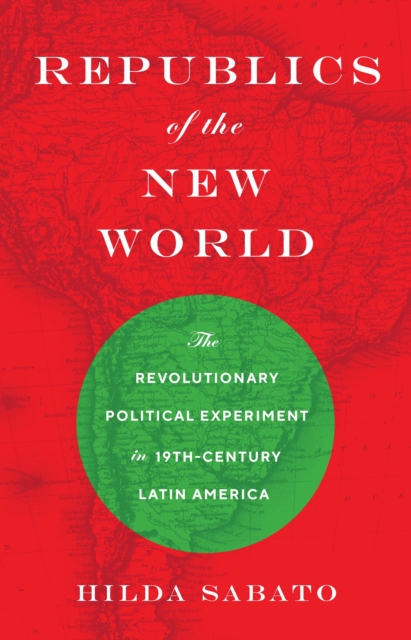
A sweeping history of Latin American republicanism in the nineteenth centuryBy the 1820s, after three centuries under imperial rule, the former Spanish territories of Latin America had shaken off their colonial bonds and founded independent republics.
The past thirty years have seen a surge of empirical research into political decision making and the influence of framing effects--the phenomenon that occurs when different but equivalent presentations of a decision problem elicit different judgments or preferences.
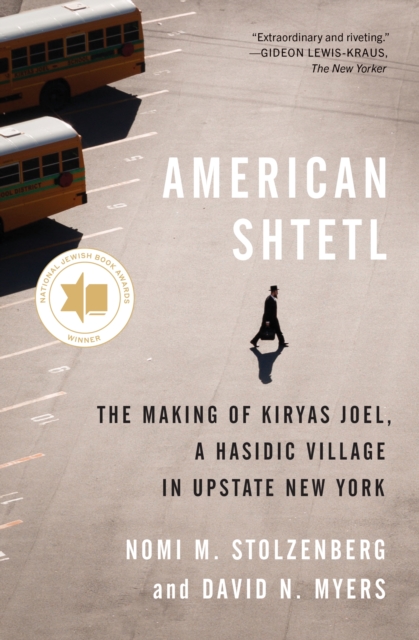
A compelling account of how a group of Hasidic Jews established its own local government on American soilSettled in the mid-1970s by a small contingent of Hasidic families, Kiryas Joel is an American town with few parallels in Jewish historybut many precedents among religious communities in the United States.
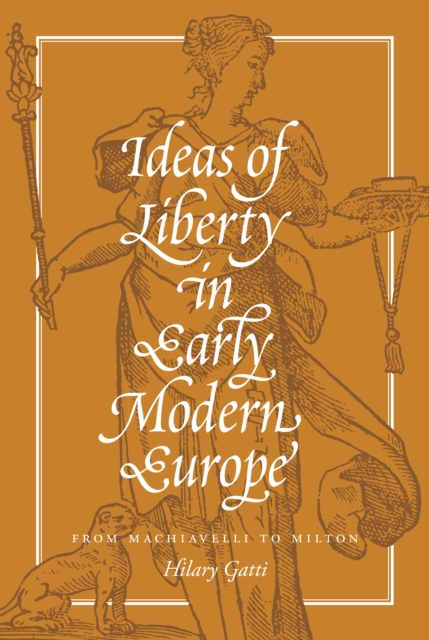
Europe's long sixteenth century-a period spanning the years roughly from the voyages of Columbus in the 1490s to the English Civil War in the 1640s-was an era of power struggles between avaricious and unscrupulous princes, inquisitions and torture chambers, and religious differences of ever more violent fervor.
In Outside Lobbying, Ken Kollman explores why and when interest group leaders in Washington seek to mobilize the public in order to influence policy decisions in Congress.
How to adapt democracy to the accelerating pace of technological change-and why it's critical that we doSuccessful democracies throughout history-from ancient Athens to Britain on the cusp of the industrial age-have used the technology of their time to gather information for better governance.
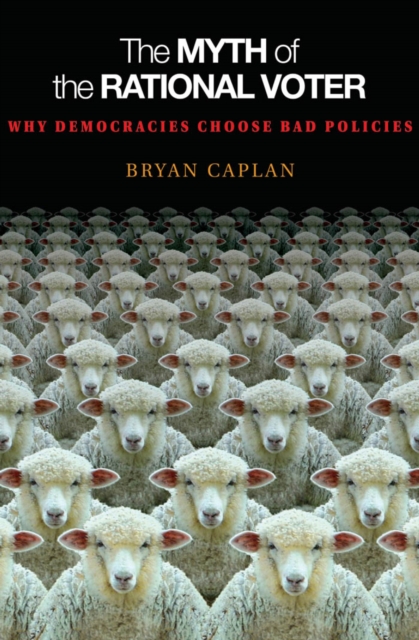
The greatest obstacle to sound economic policy is not entrenched special interests or rampant lobbying, but the popular misconceptions, irrational beliefs, and personal biases held by ordinary voters.
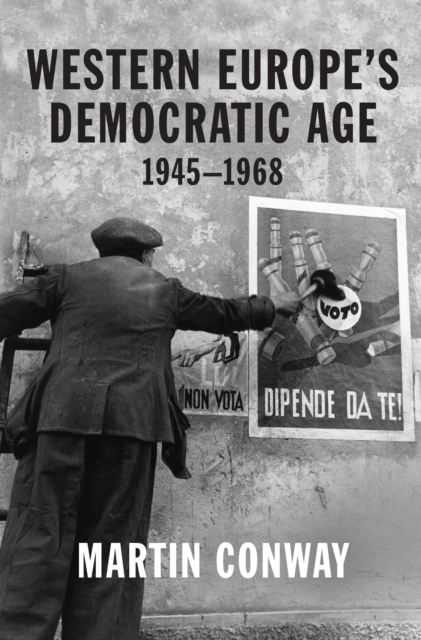
A major new history of how democracy became the dominant political force in Europe in the second half of the twentieth centuryWhat happened in the years following World War II to create a democratic revolution in the western half of Europe?
How policies forged after September 11 were weaponized under Trump and turned on American democracy itselfIn the wake of the September 11 terror attacks, the American government implemented a wave of overt policies to fight the nation's enemies.
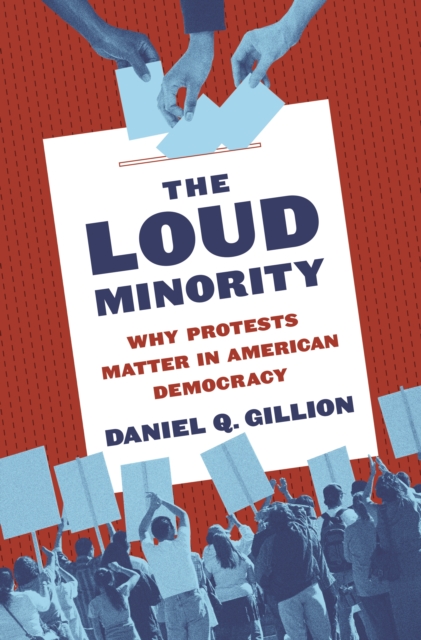
How political protests and activism influence voters and candidatesThe "e;silent majority"e;-a phrase coined by Richard Nixon in 1969 in response to Vietnam War protests and later used by Donald Trump as a campaign slogan-refers to the supposed wedge that exists between protestors in the street and the voters at home.
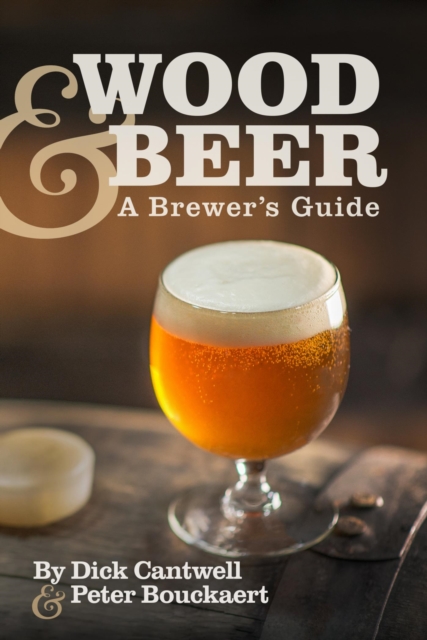
Join authors Dick Cantwell and Peter Bouckaert as they tell the story of the marriage between wood and beer from Roman times through medieval Europe to modern craft brewing.
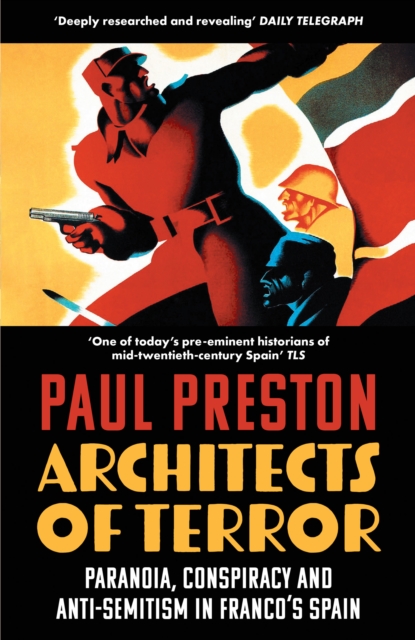
A TIMES HISTORY BOOK OF THE YEARFrom the preeminent historian of 20th century Spain Paul Preston, Architects of Terror is a new history of how paranoia, conspiracy and anti-Semitism was used to justify the military coup of 1936 and enabled the construction of a dictatorship built on violence and persecution.
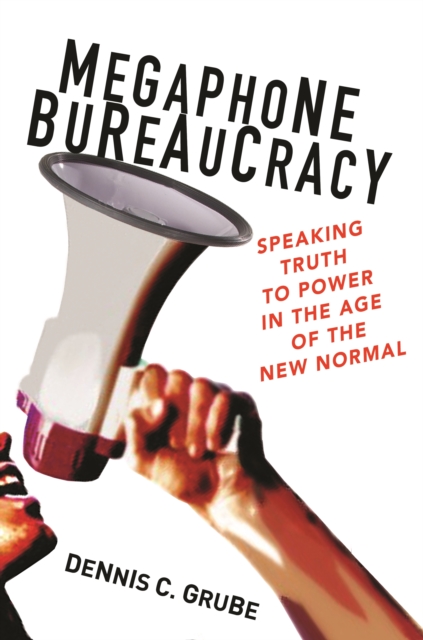
A revealing look at how today's bureaucrats are finding their public voice in the era of 24-hour mediaOnce relegated to the anonymous back rooms of democratic debate, our bureaucratic leaders are increasingly having to govern under the scrutiny of a 24-hour news cycle, hyperpartisan political oversight, and a restless populace that is increasingly distrustful of the people who govern them.
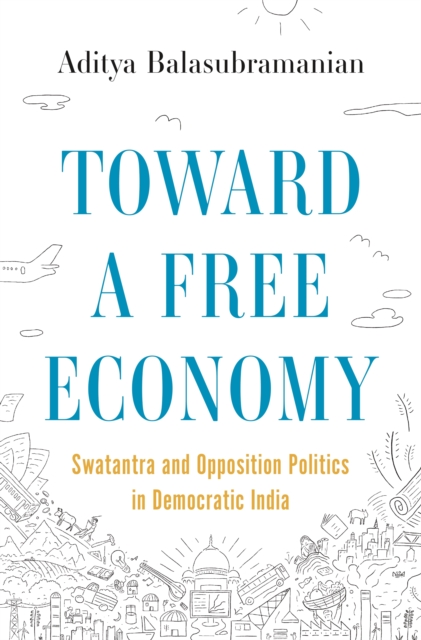
The unknown history of economic conservatism in India after independenceNeoliberalism is routinely characterized as an antidemocratic, expert-driven project aimed at insulating markets from politics, devised in the North Atlantic and projected on the rest of the world.
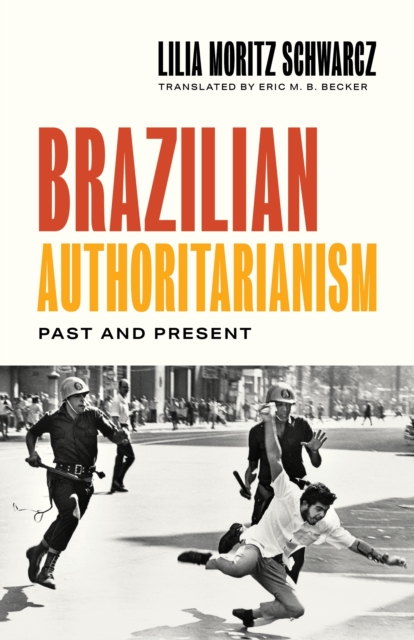
How Brazil's long history of racism and authoritarian politics has led to the country's present crises and epidemic of violenceBrazil has long nurtured a cherished national myth, one of a tolerant, peaceful, and racially harmonious society.
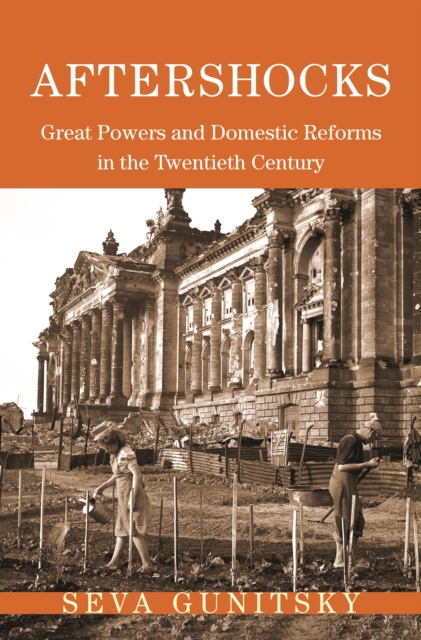
Over the past century, democracy spread around the world in turbulent bursts of change, sweeping across national borders in dramatic cascades of revolution and reform.
An acclaimed examination of how the American political system favors the wealthy-now fully revised and expandedThe first edition of Unequal Democracy was an instant classic, shattering illusions about American democracy and spurring scholarly and popular interest in the political causes and consequences of escalating economic inequality.
A rigorous and comprehensive account of recent democratic transitions around the worldFrom the 1980s through the first decade of the twenty-first century, the spread of democracy across the developing and post-Communist worlds transformed the global political landscape.
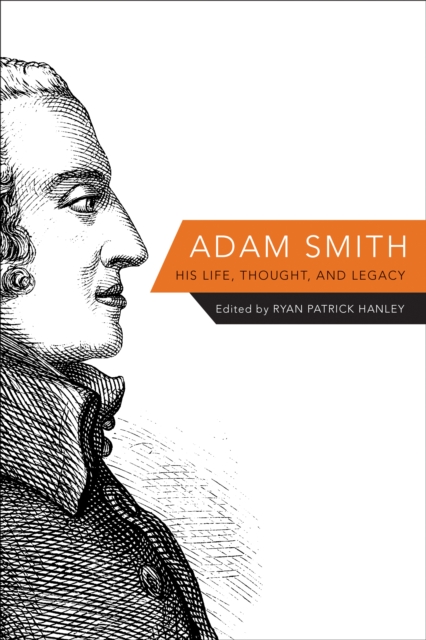
The essential guide to the life, thought, and legacy of Adam SmithAdam Smith (1723-90) is perhaps best known as one of the first champions of the free market and is widely regarded as the founding father of capitalism.
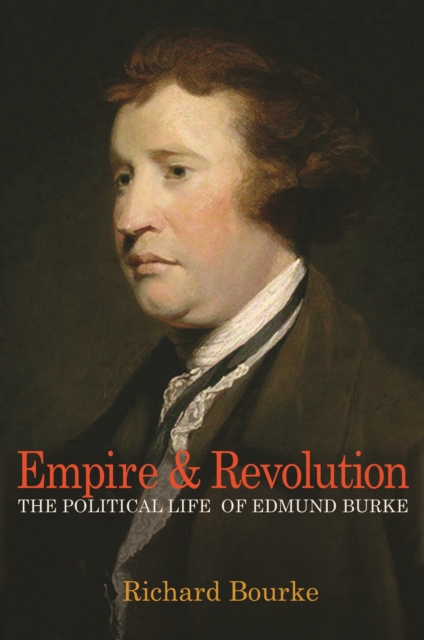
A major new account of one of the leading philosopher-statesmen of the eighteenth centuryEdmund Burke (1730-97) lived during one of the most extraordinary periods of world history.
Constituents often fail to hold their representatives accountable for federal spending decisions-even though those very choices have a pervasive influence on American life.
Why American democracy favors the affluent and educatedPolitically active individuals and organizations make huge investments of time, energy, and money to influence everything from election outcomes to congressional subcommittee hearings to local school politics, while other groups and individual citizens seem woefully underrepresented in our political system.
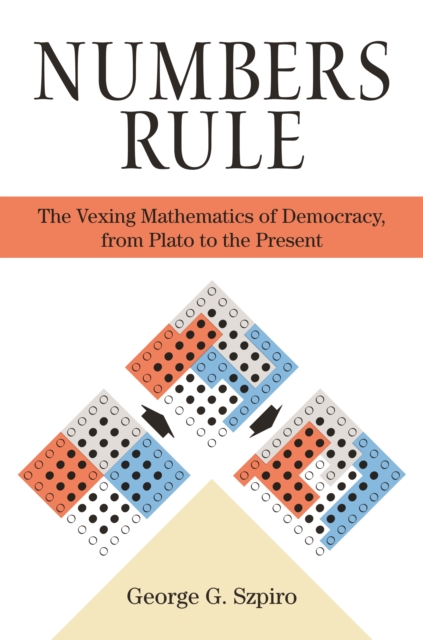
A lively history of the peculiar math of votingSince the very birth of democracy in ancient Greece, the simple act of voting has given rise to mathematical paradoxes that have puzzled some of the greatest philosophers, statesmen, and mathematicians.
From the Arizona Congressman, a "e;powerful"e; and "e;searing"e; (PW) chronicle of the eternal bonds forged between the Marines of Lima Company, the hardest-hit unit of the Iraq WarAt first, they were Lucky Lima.
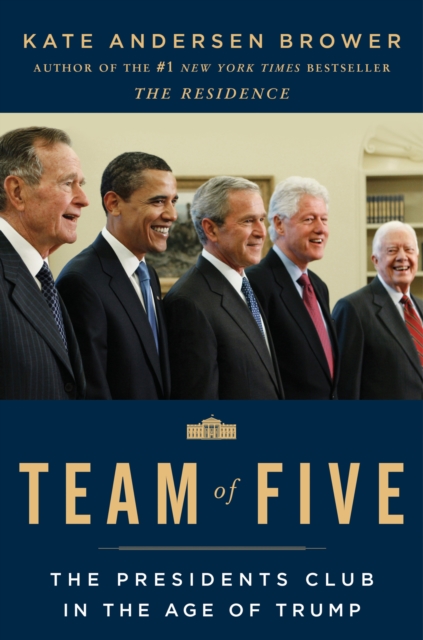
USA TodayBestsellerFrom the #1 New York Times bestselling author of The Residence and First Womenalso a New York Times bestsellercomes a poignant, news-making look at the lives of the five former presidents in the wake of their White House years, including the surprising friendships they have formed through shared perspective and empathy.
Este volumen recoge las actas del XII Congreso Internacional de la Asociación Colombiana de Juristas Católicos, acogido por la Universidad Católica de Colombia, y organizado como siempre por la Unión Internacional de Juristas Católicos (Roma), el Grupo Sectorial en Ciencias Políticas de la Federación Internacional de Universidades Católicas (París) y el Consejo de Estudios Hispánicos Felipe II (Madrid).
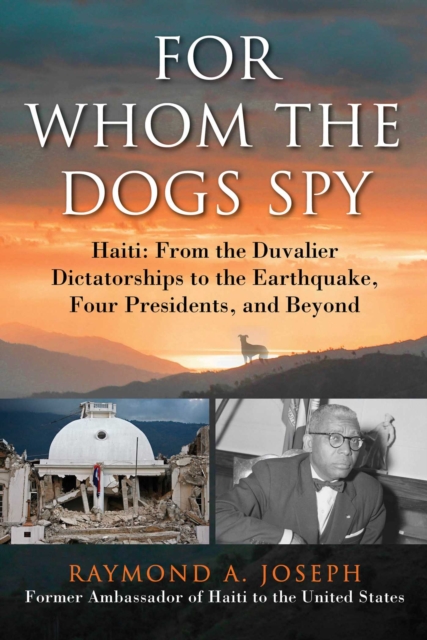
When the 2010 earthquake struck Haiti, Raymond Joseph, the former Haitian ambassador to the United States, found himself rushing back to his beloved country.
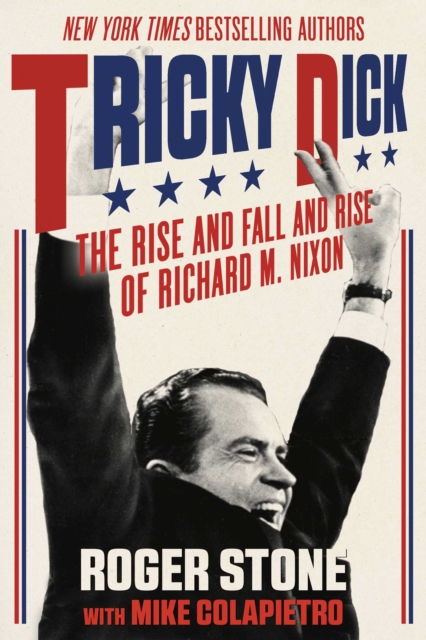
Finally, there is a "e;warts and all"e; biography of the most enduring American politician of the 20th century Richard Milhous Nixon written by an author with unprecedented access and insight about our 37th President', New York Times Bestselling Author Roger Stone.
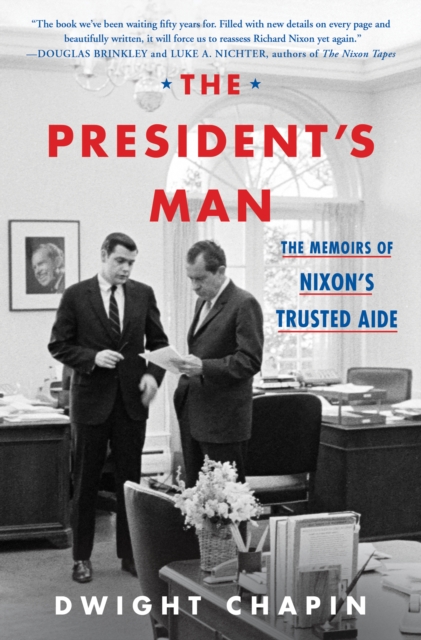
In time for the 50th anniversary of President Nixons epic trips to China and Russia, as well as his incredible Watergate downfall, the man who was at his side for a decade as his aide and White House Deputy takes readers inside the life and administration of Richard Nixon.