Wussten Sie, dass Ihr Personalausweis oder Ihr Reisepass nicht Ihre deutsche Staatsangehörigkeit bestätigt und fast alle Deutschen in ihrem eigenen Land staatenlos sind?
EspañolLa humanidad necesita una profunda renovación cultural; necesita redescubrir esas virtudes que constituyen el fundamento sólido sobre el cual construir un futuro mejor para todos.
EspañolLa humanidad necesita una profunda renovación cultural; necesita redescubrir esas virtudes que constituyen el fundamento sólido sobre el cual construir un futuro mejor para todos.
El descredito de los principales partidos politicos conlleva el riesgo de que la desafeccion ciudadana favorezca la aparicion de candidaturas extrasistema, cuya llegada al gobierno puede tener consecuencias imprevisibles.
'La política como profesión', publicado por Max Weber en 1919, acompaña al lector en algunos de los conceptos sociológicos fundamentales del pensador alemán.
En una primera part analítica, de llegat personal, i en una segona part testimonial com a eurodiputat al Parlament Europeu, les reflexions de Terricabras ens ajuden a mirar la complexitat del món amb esperit crític i esperançat.
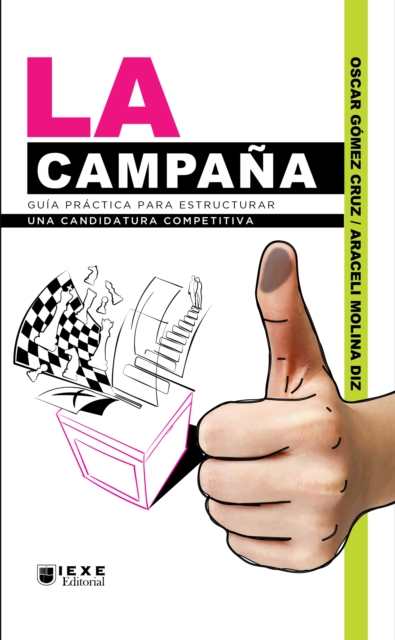
"…una verdadera guía práctica para estructurar cualquier campaña política, tiene una mezcla perfecta entre la teoría y la práctica, nos enseña los elementos esenciales y sustantivos para generar el camino correcto para competir en una elección…" – José Manuel MorenoEste libro se ha posicionado como texto de referencia para la planeación y ejecución de campañas electorales porque el "Modelo de la Candidatura Competitiva" que comparten los autores detalla, paso a paso, los ámbitos y las acciones para planear, organizar y operar una campaña política.
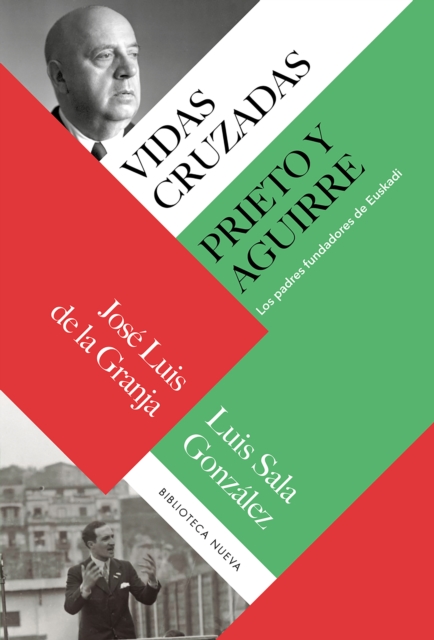
Indalecio Prieto (1883-1962) y José Antonio Aguirre (1904-1960) fueron no solo los principales líderes del socialismo y del nacionalismo vascos, respectivamente, sino también los políticos más relevantes de la Euskadi del siglo XX, a cuyo autogobierno contribuyeron de forma decisiva.
A partir de abril de 2021, una convención constituyente redactará una nueva Constitución para Chile, la que luego será presentada a la ciudadanía para que en un plebiscito se decida su aprobación.
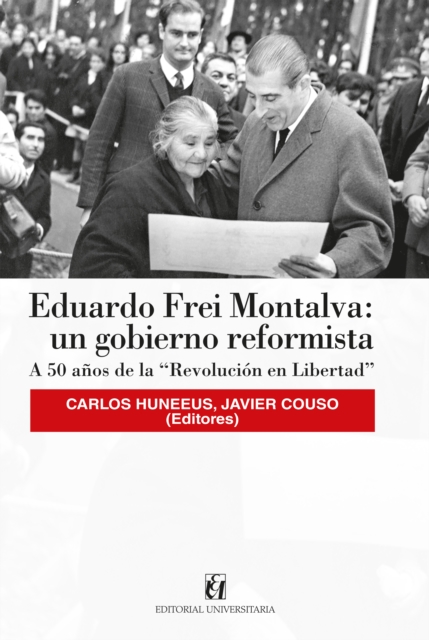
Con motivo del 50º aniversario del comienzo del gobierno del presidente Eduardo Frei Montalva –el primer democratacristiano que llegó a La Moneda–, quien encabezó una administración que realizó profundas transformaciones, los editores de este libro convocaron a un seminario para dialogar sobre cómo se diseñaron y aplicaron esas políticas.
El libro revisa las actas de la Comisión Ortúzar y el Consejo de Estado y describe cómo se fue articulando e imponiendo la visión autoritaria y conservadora que prevaleció en la Constitución de 1980.
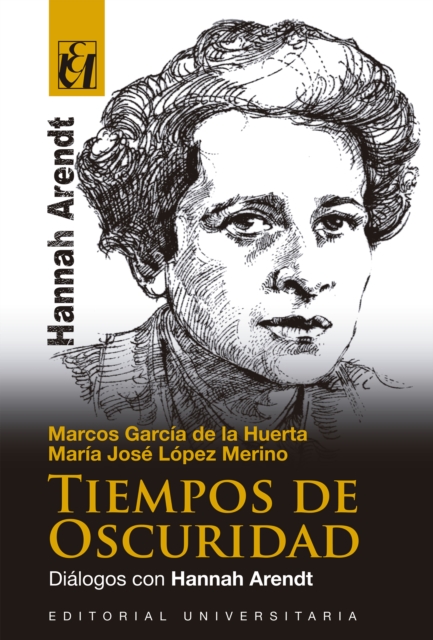
¿Hasta qué punto la reflexión de Arendt sobre el totalitarismo –nazi y estalinista– conserva validez, ya que regímenes con esas características difícilmente podrán repetirse, entre otras cosas, por el efecto de inmunización que ellos mismos provocaron?
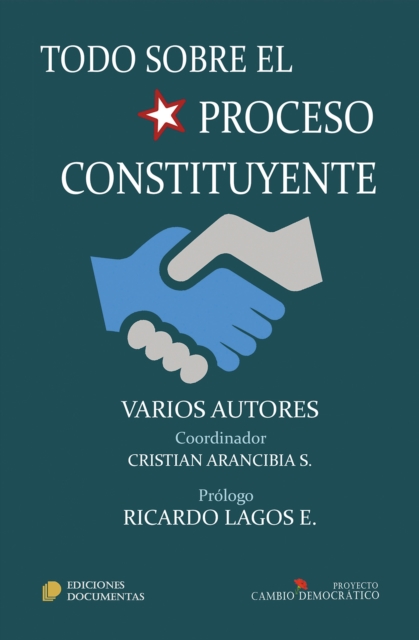
Todo sobre el proceso constituyente presenta quince miradas al proceso constituyente que se inició en Chile con el primer plebiscito de octubre de 2020.
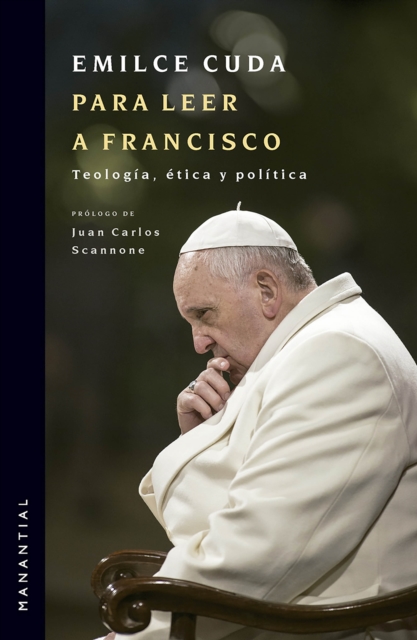
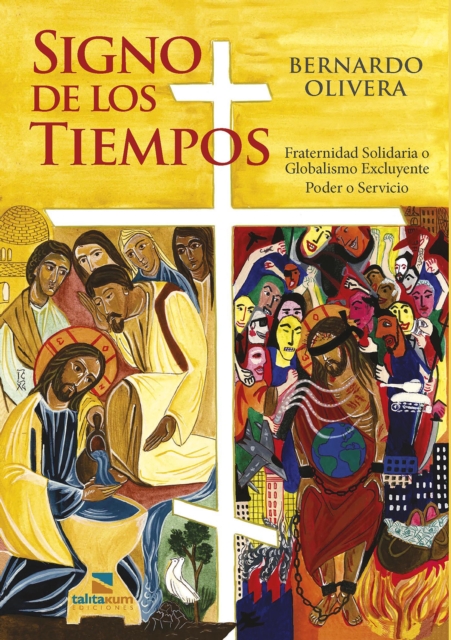
Francisco, profeta y pastor, desenmascara las causas de la pobreza desacralizando estructuras injustas que han sido divinizadas, y llama a la misericordia como otro modo de justicia.
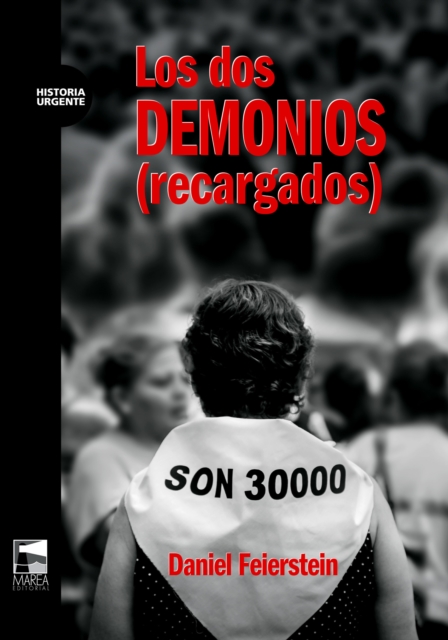
La llamada "teoría de los dos demonios" surgió en los años setenta, se hizo fuerte en los ochenta con el regreso de la democracia y fue cuestionada a partir de los noventa.
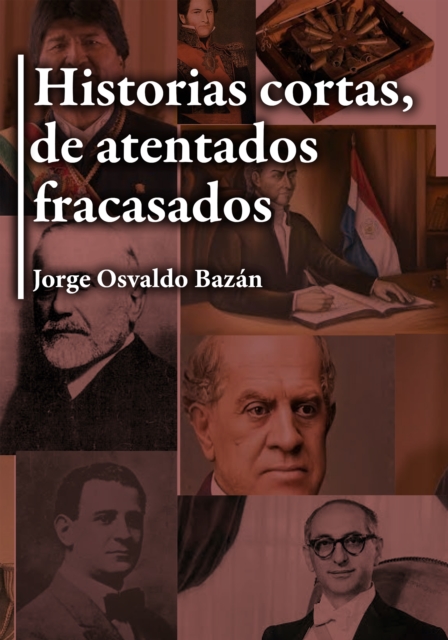
Historias verídicas y documentadas de intentos de magnicidios o atentados fracasados que tuvieron como objetivo el asesinar a líderes históricos, legisladores y presidentes de facto y constitucionales.
Este libro ha sido escrito desde Argentina recogiendo múltiples evidencias empíricas provenientes de ese país, pero se ha nutrido de información y aportes teóricos provenientes de otros colegas de la región, en especial del cono sur de América Latina.
La obra que se pone a disposición del lector, parte de un arduo y voluminoso trabajo iniciado por el autor en 2007, indaga acerca de los sucesos y condiciones que posibilitaron la crisis y el desmantelamiento de la URSS a comienzos de los años 90.
Es una obra colectiva que analiza el caso de la provincia argentina de Misiones en relación con el funcionamiento de la democracia, a través de la interpretación de los cambios permanentes en las reglas de juego institucionales entre 1983 y 2017.
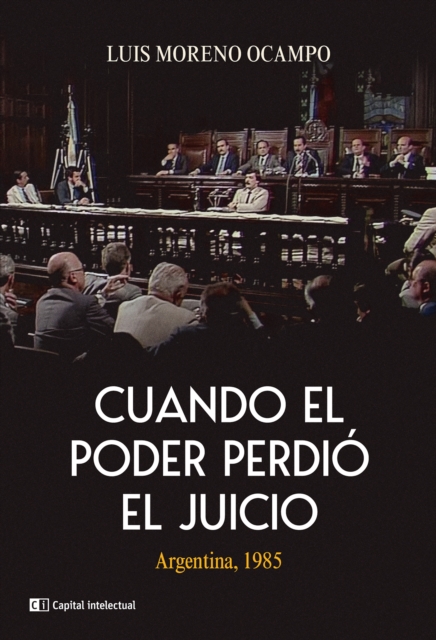
Protagonista indiscutido de unos de los sucesos más emblemáticos de la historia nacional, Luis Moreno Ocampo, nos cuenta de primera mano los detalles del Juicio a las Juntas, el despertar democrático de una sociedad golpeada tras la dictadura, al tiempo que analiza un proceso más profundo que hasta el día de hoy dirime al mundo: cómo hacer justicia.
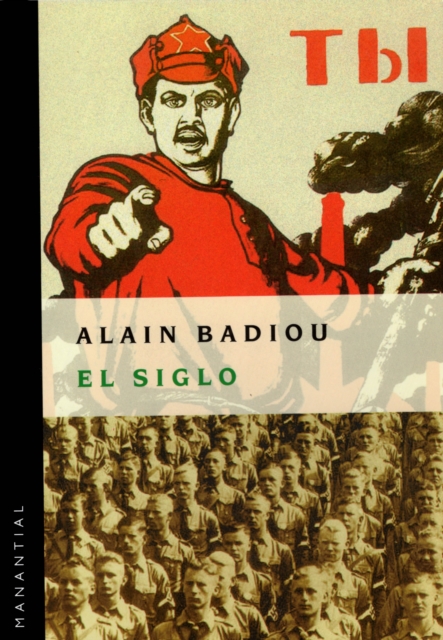
"El siglo XX ha sido juzgado y condenado: siglo del terror totalitario, de las ideologías utópicas y criminales, de las ilusiones vacías, de los genocidios, de las falsas vanguardias, de la abstracción como sustituto ubicuo del realismo democrático.
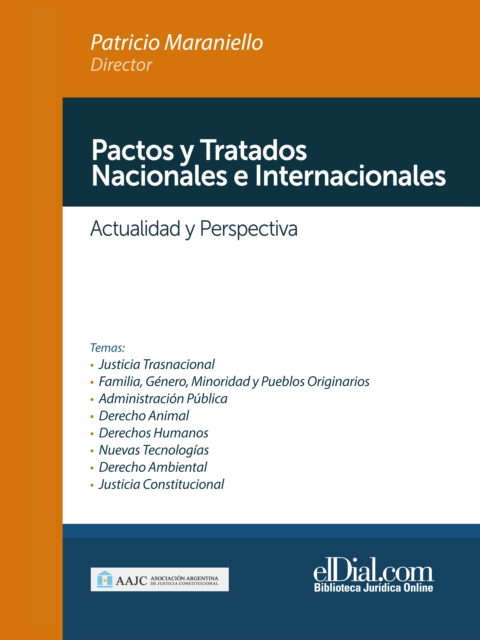
El libro consta de ocho (8) capítulos, en los que se encontrarán desarrolladas las relaciones existentes entre los pactos nacionales e internacionales y la justicia constitucional y trasnacional, el derecho de familia, los pueblos originarios, la administración pública, el derecho animal, las nuevas tecnologías, y los derechos humanos.
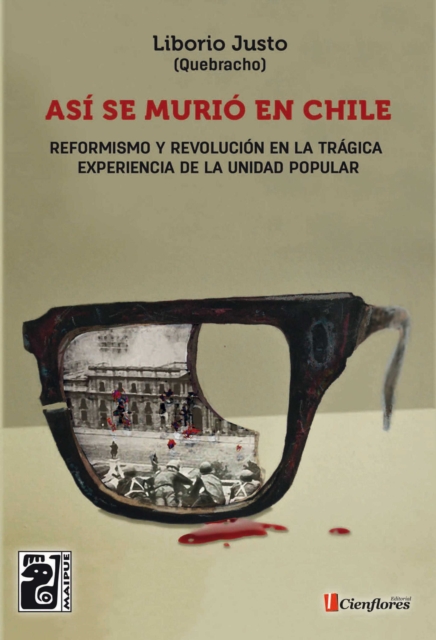
En vísperas del 45º aniversario de la caída de Allende, del golpe del 11 de septiembre de 1973, este libro inédito de Liborio Justo propone una apasionante lectura de la historia de Chile y de sus luchas sociales hasta la década del setenta.
El presente libro indaga sobre los antecedentes históricos nacionales, y en el derecho comparado, sobre la aparición de la figura de los fiscales como defensores de la causa pública.
El general Vo Nguyen Giap fue uno de los más destacados jefes militares de todos los tiempos, líder comunista y comandante revolucionario de una de las mayores epopeyas de liberación del siglo XX: la resistencia armada del pueblo de Vietnam a la ocupación norteamericana que lo tuvo como actor central, en la peor derrota política y militar que hayan conocido los Estados Unidos en su historia.