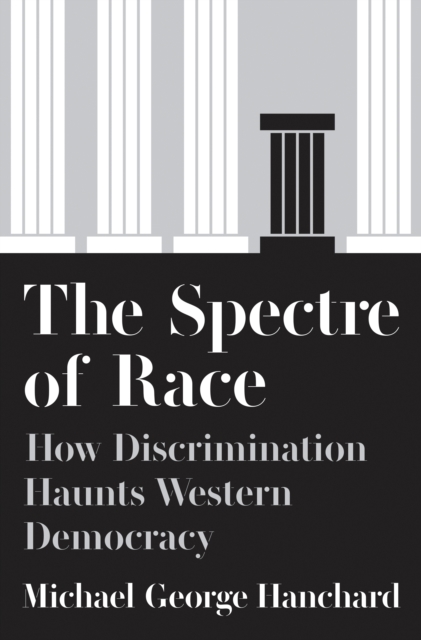
How racism and discrimination have been central to democracies from the classical period to todayAs right-wing nationalism and authoritarian populism gain momentum across the world, liberals, and even some conservatives, worry that democratic principles are under threat.
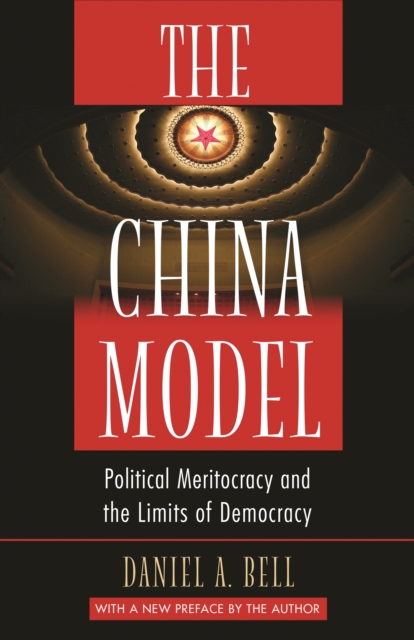
How China's political model could prove to be a viable alternative to Western democracyWesterners tend to divide the political world into "e;good"e; democracies and "e;bad"e; authoritarian regimes.
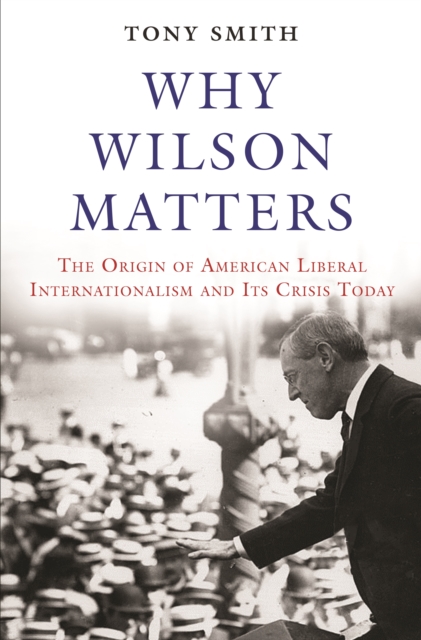
How Woodrow Wilson's vision of making the world safe for democracy has been betrayed-and how America can fulfill it againThe liberal internationalist tradition is credited with America's greatest triumphs as a world power-and also its biggest failures.
A definitive biography of the great French essayist and thinkerOne of the most important writers and thinkers of the Renaissance, Michel de Montaigne (1533-92) helped invent a literary genre that seemed more modern than anything that had come before.
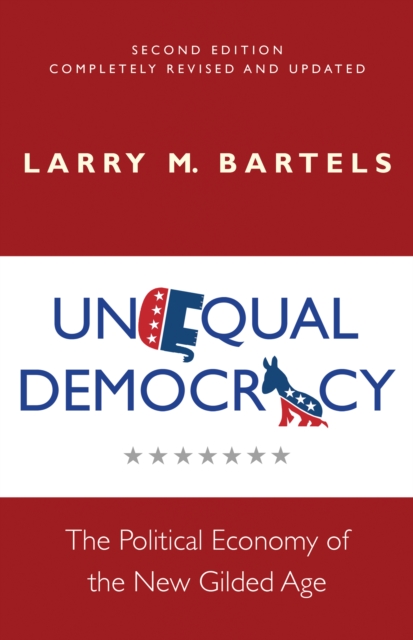
An acclaimed examination of how the American political system favors the wealthy-now fully revised and expandedThe first edition of Unequal Democracy was an instant classic, shattering illusions about American democracy and spurring scholarly and popular interest in the political causes and consequences of escalating economic inequality.
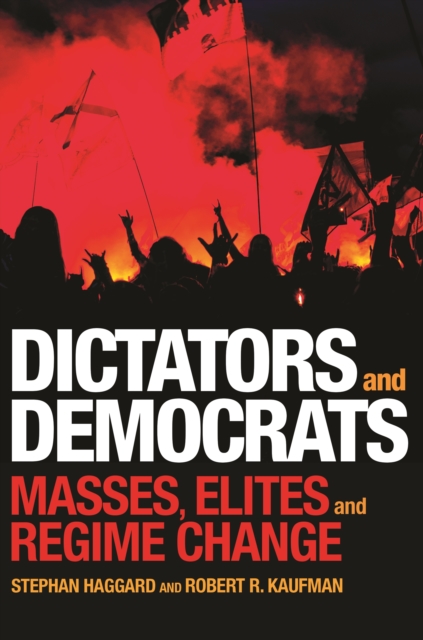
A rigorous and comprehensive account of recent democratic transitions around the worldFrom the 1980s through the first decade of the twenty-first century, the spread of democracy across the developing and post-Communist worlds transformed the global political landscape.
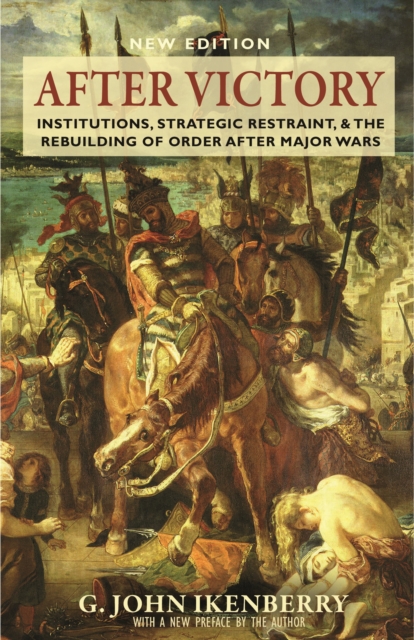
The end of the Cold War was a "e;big bang"e; reminiscent of earlier moments after major wars, such as the end of the Napoleonic Wars in 1815 and the end of the world wars in 1919 and 1945.
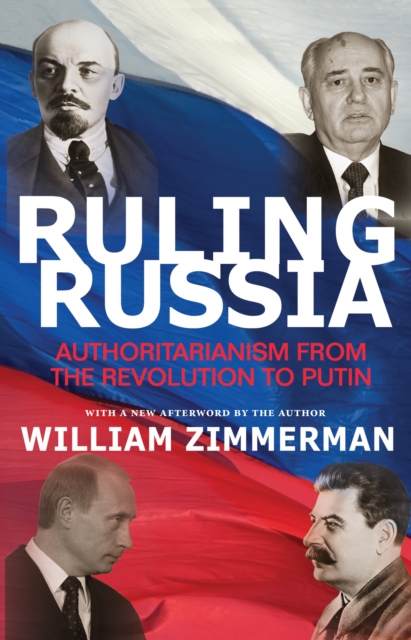
The first book to trace the evolution of Russian politics from the Bolsheviks to PutinWhen the Soviet Union collapsed, many hoped that Russia's centuries-long history of autocratic rule might finally end.
Twenty essential tips for picking great leaders from the father of modern politicsOne of the greatest political advisers of all time, Niccolo Machiavelli thought long and hard about how citizens could identify great leaders-ones capable of defending and enhancing the liberty, honor, and prosperity of their countries.
How social media is giving rise to a chaotic new form of politicsAs people spend increasing proportions of their daily lives using social media, such as Twitter and Facebook, they are being invited to support myriad political causes by sharing, liking, endorsing, or downloading.
Why compromise is essential for effective government and why it is missing in politics todayTo govern in a democracy, political leaders have to compromise.
Armed interventions in Libya, Haiti, Iraq, Vietnam, and Korea challenged the US president and Congress with a core question of constitutional interpretation: does the president, or Congress, have constitutional authority to take the country to war?
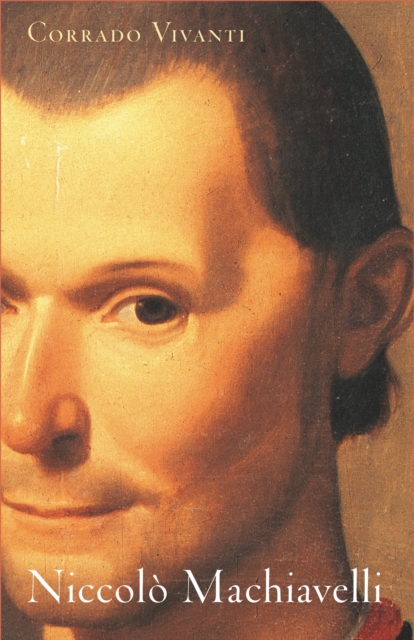
A colorful, comprehensive, and authoritative account of Machiavelli's life and thoughtThis is a colorful, comprehensive, and authoritative introduction to the life and work of the Florentine statesman, writer, and political philosopher Niccolo Machiavelli (1469-1527).
Why India's problems won't be solved by rapid economic growth aloneWhen India became independent in 1947 after two centuries of colonial rule, it immediately adopted a firmly democratic political system, with multiple parties, freedom of speech, and extensive political rights.
The Soldier and the Changing State is the first book to systematically explore, on a global scale, civil-military relations in democratizing and changing states.
How to adapt democracy to the accelerating pace of technological change-and why it's critical that we doSuccessful democracies throughout history-from ancient Athens to Britain on the cusp of the industrial age-have used the technology of their time to gather information for better governance.
Local government is the hidden leviathan of American politics: it accounts for nearly a tenth of gross domestic product, it collects nearly as much in taxes as the federal government, and its decisions have an enormous impact on Americans' daily lives.
A primer on campaigning in ancient Rome that reads like a strategy memo from a modern political consultantHow to Win an Election is an ancient Roman guide for campaigning that is as up-to-date as tomorrow's headlines.
Nearly five hundred times in the past century, American presidents have deployed the nation's military abroad, on missions ranging from embassy evacuations to full-scale wars.
Political campaigns today are won or lost in the so-called ground war--the strategic deployment of teams of staffers, volunteers, and paid part-timers who work the phones and canvass block by block, house by house, voter by voter.
Why democracy is the best way of deciding how decisions should be madePragmatism and its consequences are central issues in American politics today, yet scholars rarely examine in detail the relationship between pragmatism and politics.
Party competition for votes in free and fair elections involves complex interactions by multiple actors in political landscapes that are continuously evolving, yet classical theoretical approaches to the subject leave many important questions unanswered.
The first book to present America's most controversial president in his own words across his entire career, this unique collection of Richard Nixon's most important writings dramatically demonstrates why he has had such a profound impact on American life.
Why religion must be separated from politics if democracy is to thrive around the worldFor eight years the president of the United States was a born-again Christian, backed by well-organized evangelicals who often seemed intent on erasing the church-state divide.
In The Religious Left and Church-State Relations, noted constitutional law scholar Steven Shiffrin argues that the religious left, not the secular left, is best equipped to lead the battle against the religious right on questions of church and state in America today.