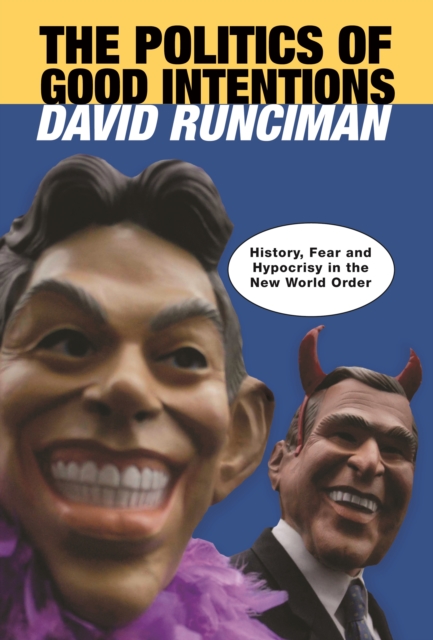
Tony Blair has often said that he wishes history to judge the great political controversies of the early twenty-first century--above all, the actions he has undertaken in alliance with George W.
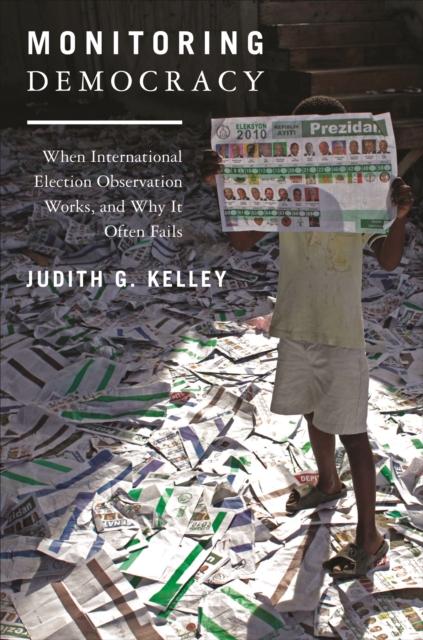
In recent decades, governments and NGOs--in an effort to promote democracy, freedom, fairness, and stability throughout the world--have organized teams of observers to monitor elections in a variety of countries.
'I cannot think of a better biography of a spy chief'Richard Davenport-Hines, The SpectatorSir Maurice Oldfield was one of the most important British spies of the Cold War era.
Anarchism is generally defined as the political philosophy which holds the state to be undesirable, unnecessary, and harmful, or alternatively as opposing authority in the conduct of human relations.
The Articles of Confederation, formally the Articles of Confederation and Perpetual Union, was an agreement among the 13 founding states that established the United States of America as a confederation of sovereign states and served as its first constitution.
Del autor de Amazing Grace, uno de los autores de mayor éxito editorial según el New York Times, llega esta biografía innovadora sobre Dietrich Bonhoeffer, uno de los más grandes héroes del siglo XX, el hombre que se irguió frente a Hitler.
In this four-session video-based small group Bible study (DVD/digital video sold separately), New York Times best-selling author Eric Metaxas will help you discover the major themes of Dietrich Bonhoeffer's writing and speaking and how he not only helped transform an entire faith community in Germany during World War II, but how his beliefs continue to impact the Christian faith of people throughout the world today.
In today's ultra-polarized and highly partisan political environment, Welfare for the Rich is one of the rare books written to appeal to engaged and open-minded citizens from across the political spectrum.
THE INTERNATIONAL BESTSELLER 'A rigorous and thoughtful study of what has happened on battlefields over the past eight decades' THE TIMES'A hugely important book .
While the major media were spinning their collective fairy tale about the Obama presidency, the alternative conservative media-America's "e;samizdat"e;-were telling the truth.
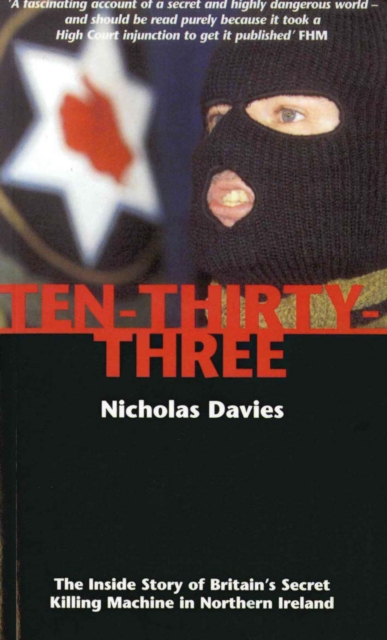
This explosive book reveals the conspiracy between British Military Intelligence and the gunman of the UDA who targeted and killed both Republican terrorists and ordinary Catholics.
How to Think is a contrarian treatise on why we're not as good at thinking as we assume - but how recovering this lost art can rescue our inner lives from the chaos of modern life.
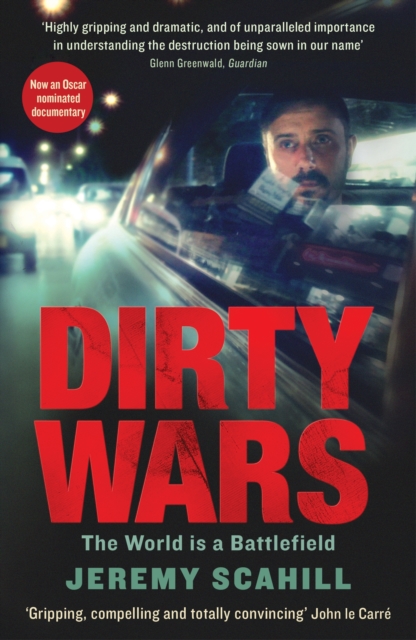
In this story from the frontlines of the undeclared battlefields of the War on Terror, Jeremy Scahill exposes America's new approach to war: fought far from any declared battlefield, by units that do not officially exist, in thousands of operations a month that are never publicly acknowledged.
Man wird nicht als Soldat geboren, hieß ein Roman über die Schlacht von Stalingrad, und Autor Simonow schildert darin, dass keiner der Soldaten freiwillig und begeistert ins Gefecht gezogen ist.
Investigating relations of Iran and USA over the past four decades has been significant for a variety of reasons, including numerous domestic and regional atrocities.