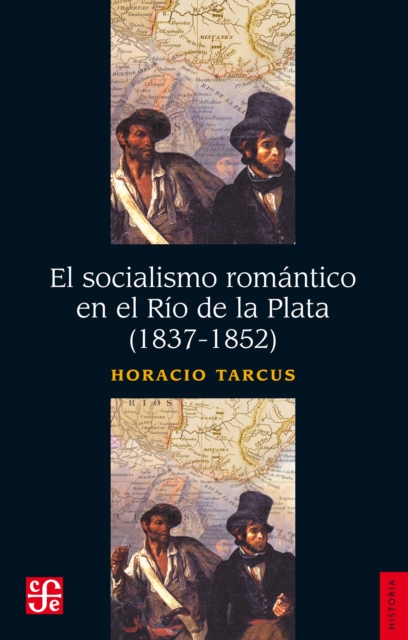
En El socialismo romántico en el Río de la Plata Horacio Tarcus presentó una investigación exhaustiva y erudita sobre el curso de las ideas socialistas en el espacio rioplatense entre 1837 y 1852.
El comunismo, uno de los movimientos político-ideológicos cruciales del siglo xx, dotó de una identidad y una cultura política a millones de hombres y mujeres alrededor del mundo; no solo a trabajadores y campesinos, sino también a amplios sectores de las capas medias, profesionales, artistas, escritores y científicos.
Siguiendo el pulso de su tiempo y acompañando los cambios en la sociedad, el Instituto de Chile constituye un cuerpo orgánico abierto a la diversidad, que llena un espacio de la vida pública, respetando la entera independencia de sus miembros.
La ola de restauración democrática que avanzó sobre América Latina en la década de 1980 volvió a dar a los partidos políticos el papel protagónico de la actividad política en los países de la región.
La revolución como horizonte que quedó atrás, el actual populismo, los violentos años setenta, las derechas políticas, el papel del intelectual y lo religioso, son algunas de las cuestiones que Nicolás Casullo analiza en este volumen.
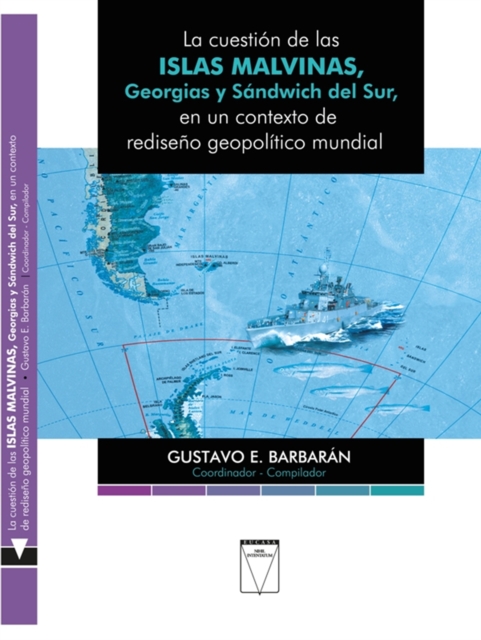
En este libro se ponen a consideración de los lectores seis ensayos presentados en las "II Jornadas Salteñas sobre la Cuestión de las Islas Malvinas, Georgias y Sándwich del Sur en un contexto de rediseño político mundial", realizadas en la ciudad de Salta en junio de 2018.
"Todo intento de reconstrucción histórica parte de las necesidades, las dudas y los interrogantes del presente", escribe Luis Alberto Romero en su Breve historia contemporánea de la Argentina.
Un enemigo para la nación parte de la pregunta, tan transitada e incesante, acerca de las razones por las cuales la sociedad argentina alcanzó las espirales de violencia que después de varias décadas confluyeron en la dictadura militar de 1976.
En 1891 estalló una violenta Guerra Civil en Chile producto de diferencias irreconciliables entre el Presidente Balmaceda y el Congreso Nacional, generándose uno de los conflictos más debatidos por los historiadores.
Esta obra contiene un conjunto de aportes valiosos que sirven para entender los desafíos y la complejidad que poseen las problemáticas de las comunidades aborígenes, en relación a temas como la igualdad de género, la defensa de los derechos de la mujer en sociedades o sistemas culturales en los cuales existe una tradición de subordinación o relegación en favor del varón, la tutela de los menores, la diversidad cultural y el respeto a las minorías, la posesión del territorio, la inclusión y la exclusión en un mundo que, paradójicamente, se expresa a favor de nuevas ideas occidentales que han venido a suplantar las antiguas visiones de desprecio por lo aborigen y por lo diferente.
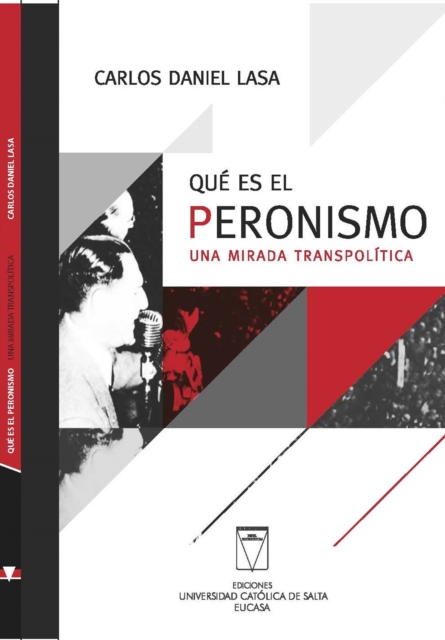
A través de esta obra el autor se propone desentrañar el pensamiento de Perón por considerar que no solo determinó una praxis política que se extiende hasta nuestros días en Argentina, sino que, además, hizo surgir un tipo antropológico muy particular que es el hombre argentino actual.
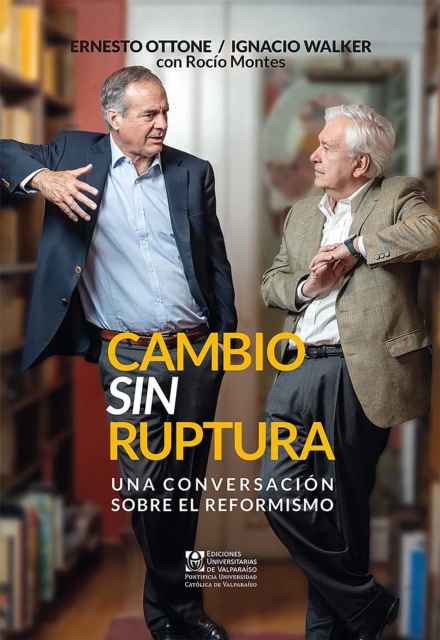
Este texto tiene, sin duda, aspectos académicos, porque Ottone y Walker son intelectuales y formadores universitarios: en la conversación aparecen libros, autores y citas que ninguna persona que intente comprender el complejo mundo de hoy debería pasar por alto.
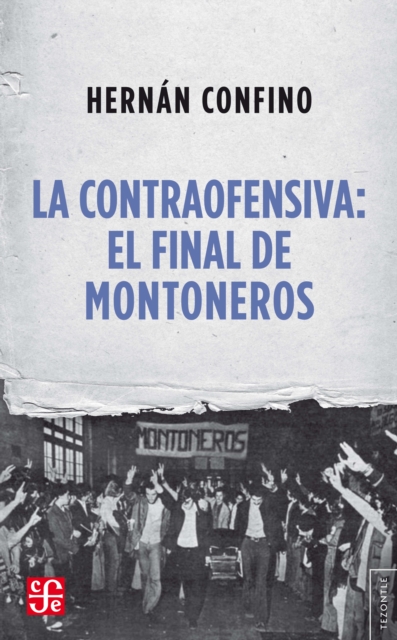
En octubre de 1978, la conducción de Montoneros decidió iniciar la llamada Contraofensiva Estratégica frente al temor de que la organización armada dejara de representar una alternativa política para la sociedad argentina, luego de dos años de exilio orgánico y represión dictatorial.
Históricamente, el sentido común fue tratado o bien como una facultad cognitiva propia de todos los seres humanos, o bien como una construcción social de rasgos cambiantes en el tiempo y el espacio.
Como consecuencia de los festejos por el bicentenario de la Revolución Francesa y de las transiciones democráticas en América Latina, a comienzos de la década de 1990 resurge el interés tanto en las interpretaciones de la revolución como en la historia política e institucional de los países latinoamericanos.
Los rostros hundidos de los soldados regresando de la guerra de Malvinas, las Madres de Plaza de Mayo dando vueltas a la pirámide con sus pancartas en alto y Raúl Alfonsín hablándoles a las multitudes que colmaban las calles son las imágenes que condensan nuestras memorias y saberes sobre la última "transición a la democracia".
Un mundo libre, globalizado, sin izquierda ni derecha, sin enemigos; una democracia absoluta, cosmopolita, libre de conflictos partisanos: tal es la optimista visión pospolítica difundida en la mayoría de las sociedades occidentales.
El arribo al Río de la Plata de las obras y las ideas del socialismo romántico, generadas principalmente en Francia, España e Italia desde fines del siglo XVIII, fue juzgado como un fenómeno de importación, una moda cultural efímera y superficial limitada al consumo de las elites letradas.
Desde principios del siglo XX, el desarrollo de la economía capitalista acentuó cada vez más las tensiones sociales e impulsó una fuerte expansión de las economías centrales sobre las periféricas y una competencia vertiginosa por acceder a nuevos mercados.
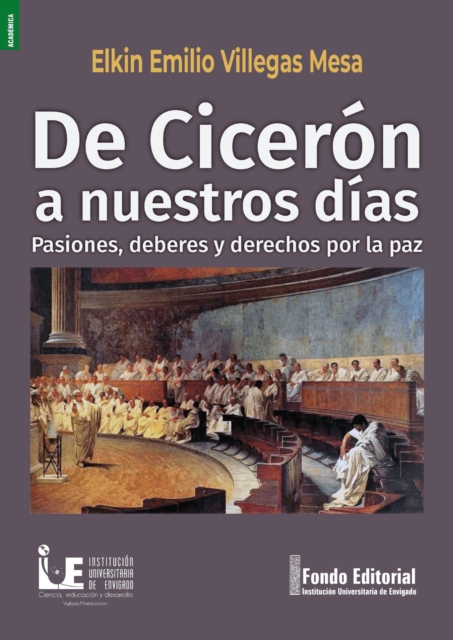
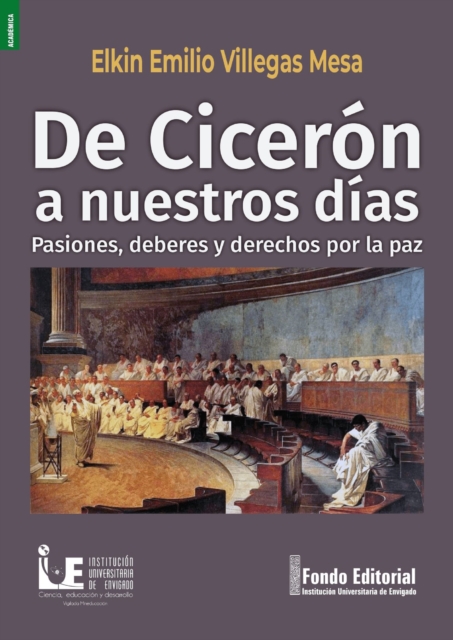
El libro está dedicado a la memoria de todos aquellos grandes y honrados pensadores, políticos, críticos y oradores, cuya lista es bastante larga en Colombia, que han sido asesinados como Marco Tulio Cicerón (a quien su maestro Publio Mucio Escévola, también asesinado, según Taylor Caldwell, le había vaticinado no alcanzar una edad avanzada por sus "absurdas" teorías sobre los derechos del hombre y la democracia, por no haber cedido en su empeño de hablar con claridad respecto a la búsqueda de la paz, la cual implica una relación íntima entre la represión de la agresividad y la puesta en escena de los deberes y los derechos humanos; por las deficiencias simbólicas de la época y la intolerancia de las mentes corruptas, que nunca han sido capaces de aceptar una palabra clara, coherente y veraz con la que se diferencien lo real, lo simbólico y lo imaginario en la comunicación humana y en el ejercicio de los oficios, en los que lo simbólico es un punto intermedio que representa el Nombre del Padre.
El libro está dedicado a la memoria de todos aquellos grandes y honrados pensadores, políticos, críticos y oradores, cuya lista es bastante larga en Colombia, que han sido asesinados como Marco Tulio Cicerón (a quien su maestro Publio Mucio Escévola, también asesinado, según Taylor Caldwell, le había vaticinado no alcanzar una edad avanzada por sus "absurdas" teorías sobre los derechos del hombre y la democracia, por no haber cedido en su empeño de hablar con claridad respecto a la búsqueda de la paz, la cual implica una relación íntima entre la represión de la agresividad y la puesta en escena de los deberes y los derechos humanos; por las deficiencias simbólicas de la época y la intolerancia de las mentes corruptas, que nunca han sido capaces de aceptar una palabra clara, coherente y veraz con la que se diferencien lo real, lo simbólico y lo imaginario en la comunicación humana y en el ejercicio de los oficios, en los que lo simbólico es un punto intermedio que representa el Nombre del Padre.
INSTANT #1 NEW YORK TIMES BESTSELLERThe former attorney general provides a candid account of his historic tenures serving two vastly different presidents, George H.
A NEW YORK TIMESBESTSELLERFormer Republican political operative Tim Miller answers the question no one else has fully grappled with: Why did normal people go along with the worst of Trumpism?
*Shortlisted for the 2024 Wolfson History Prize*'Gripping and profoundly moving' DAMON GALGUT'Deft and operatic' OBSERVERFrom one of South Africa's foremost nonfiction writers, a deeply researched, shattering new account of Nelson Mandela's relationship with Winnie Madikizela-Mandela.
As he did for Abraham Lincoln and John Quincy Adams, award-winning biographer Fred Kaplan offers a fresh, illuminating look at the life of Thomas Jefferson and his contributions as a writer.
In the Garden of the Righteous brilliantly describes how in the midst of the brutality of the Holocaust and the collaboration, acquiescence and passivity of millions, there were people who risked their lives to save others out of a sense of shared humanity.
'One of the best history books you will read this decade' History Today'Fascinating, suspenseful, revelatory, alive' The TimesThere can be few more exciting or frightening moments in European history than the spring of 1848.
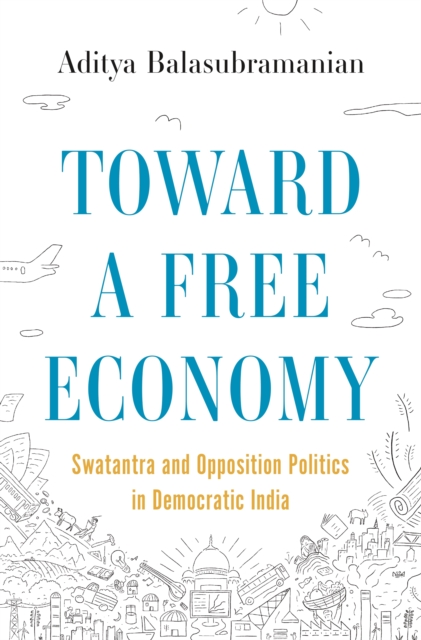
The unknown history of economic conservatism in India after independenceNeoliberalism is routinely characterized as an antidemocratic, expert-driven project aimed at insulating markets from politics, devised in the North Atlantic and projected on the rest of the world.
#1 New York Times BestsellerPeter Schweizer says that, in aquarter-century as an investigative journalist, this is the scariest investigation he has ever conducted.
NATIONAL BESTSELLERElie Honig has written much more than a compelling takedown of an unfit attorney general; he also offers a blueprint for how impartial and apolitical justice should be administered in America.
Behind the Beautiful Forevers meets Under an Afghan Sky in this mesmerizing true story of the Nigerian girls taken captive by the terrorist group Boko HaramIn April 2014, the world awoke to the shocking news that the terrorist group Boko Haram had kidnapped nearly 300 school-aged girls and taken them deep into the forests of Nigeria.