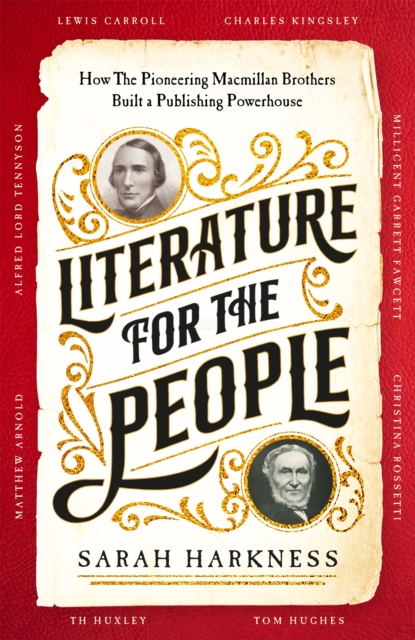
From an impoverished childhood in the Scottish highlands to Victorian London, this is the inspiring story of two brothers - Daniel and Alexander Macmillan - who built a publishing empire - and brought Alice in Wonderland to the world.
Los elevados costos de los medicamentos en Estados Unidos, así como las limitaciones en la cobertura de los seguros, motivan anualmente a cientos de ciudadanos de ese país a viajar a Colombia para acceder a procedimientos y servicios médicos nacionales; un escenario que plantea dilemas éticos y posibles riesgos.
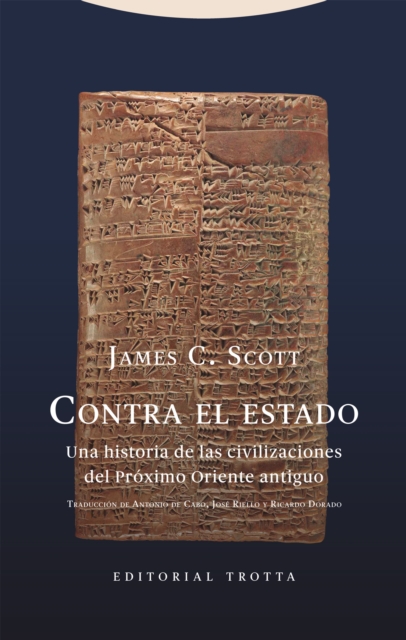
Este libro rompedor revisa, a contracorriente de la opinión establecida, lo que se creía saber de las primeras civilizaciones en la llanura aluvial mesopotámica y en otros lugares.
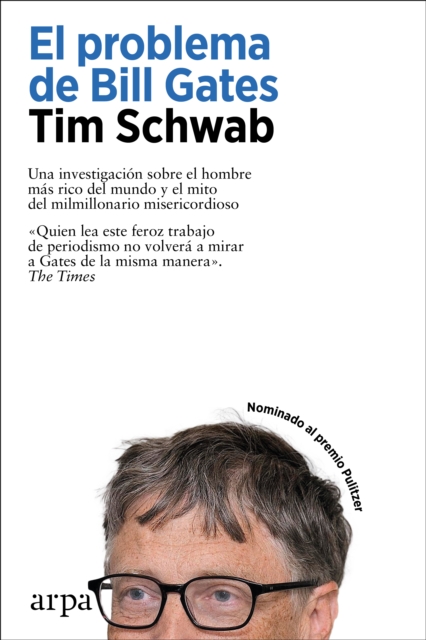
Una investigación única sobre Bill Gates, la Fundación Gates y sobre cómo utilizar la filantropía para ejercer un inmenso poder político sin control alguno.
**Winner of the Lionel Gelber Prize 2024****A Financial Times Best Book of 2023**'A moving love letter to Europe' Lea Ypi, author of FreeDrawing from the people who lived it, Homelands explores how Europe slowly recovered and rebuilt from World War Two.
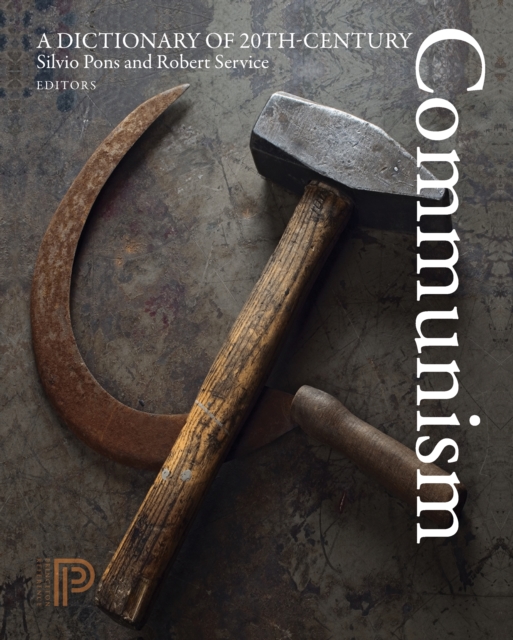
An encyclopedic guide to 20th-century communism around the worldThe first book of its kind to appear since the end of the Cold War, this indispensable reference provides encyclopedic coverage of communism and its impact throughout the world in the 20th century.
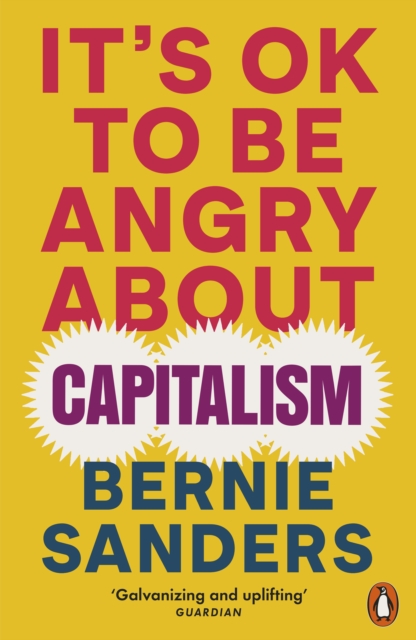
THE SUNDAY TIMES AND NEW YORK TIMES BESTSELLER'Galvanizing and uplifting' The Guardian'Bernie Sanders has changed US politics forever' Owen JonesIt's OK to be angry about capitalism.
In this ';necessary and beautifully told story of struggle, compassion and serendipity' (Forbes), the publisher of DC Comics comes to the rescue of a family trying to flee Nazi Berlin, their lives linking up with a dazzling cast of 20th-century icons, all eagerly pursuing the American Dream.
PEGASUS: der Investigativ-Bericht über den größten Spionage-Skandal seit der NSA-Affäre Die Spionage-Software Pegasus, die von der israelischen Firma NSO entwickelt wurde, kann jedes Mobiltelefon vollständig überwachen - und zwar ohne Spuren zu hinterlassen.
Die Demokratie an ihrem Abgrund: Hitlers fast geglückte »Machtergreifung« 1923Es ist die bis dahin größte Bedrohung für die Weimarer Republik: Mit roher Gewalt wagt Hitler von München aus den Umsturz – und scheitert.
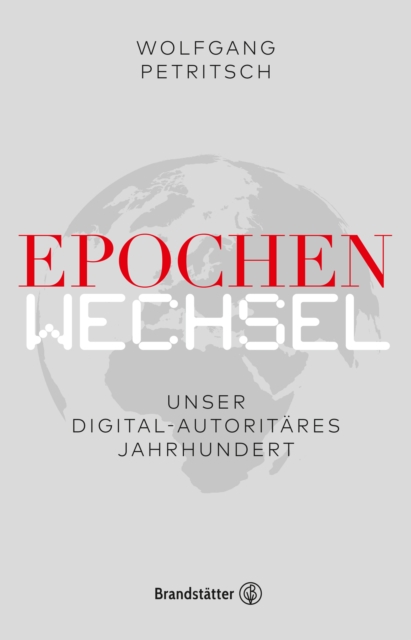
Die Grundpfeiler unserer bisherigen Weltordnung sind ins Wanken geraten: Wir erleben Postdemokratie, das Wiedererstarken autoritärer Kräfte, die Ablösung des Liberalismus als bestimmende Leitidee der westlichen Welt.
Manfred Matzka kennt das Bundeskanzleramt wie niemand sonst: Nach einer mehr als 30-jährigen Berufslaufbahn dort kann er über die politischen Schicksalstage und prägenden Persönlichkeiten, die Architekturgeschichte und Verwaltungsentwicklung und über das Alltagsleben des berühmten Hauses mit der Adresse Ballhausplatz 2 nicht nur detailreich erzählen, sondern konfrontiert uns auch mit zahlreichen bisher unbekannten Fakten, Dokumenten und Facetten.
Den Zeit-im Bild-Anchorman Tarek Leitner kennen und schätzen wir normalerweise für seine sachliche, objektive Berichterstattung über (welt)politische Ereignisse.
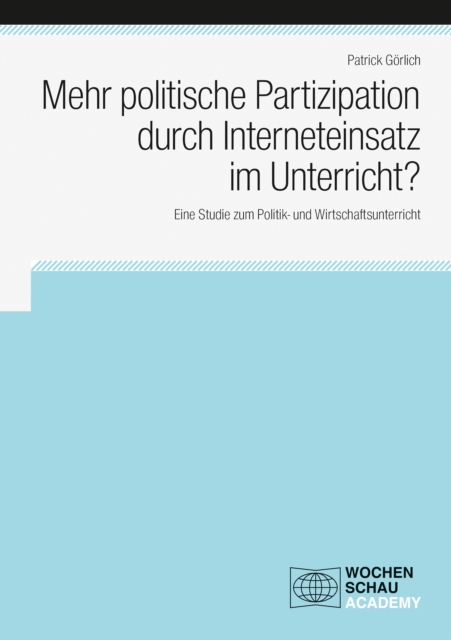
Partizipationsbereite Bürgerinnen und Bürger, die zum Beispiel wählen gehen oder sich an politischen Diskussionen beteiligen, sind zentral für die Demokratie.
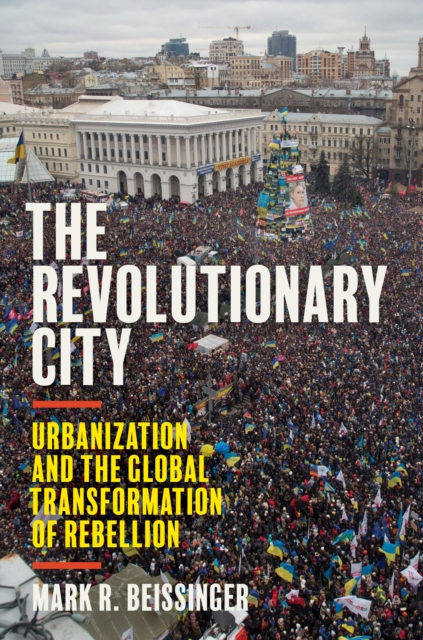
How and why cities have become the predominant sites for revolutionary upheavals in the contemporary worldExamining the changing character of revolution around the world, The Revolutionary City focuses on the impact that the concentration of people, power, and wealth in cities exercises on revolutionary processes and outcomes.
A Financial Times Best Book of the YearAn inside view of Chinese academia and what it reveals about China's political systemOn January 1, 2017, Daniel Bell was appointed dean of the School of Political Science and Public Administration at Shandong Universitythe first foreign dean of a political science faculty in mainland China's history.
One of the country's most influential public intellectuals asks: What if the rootsof the culture war lie not in the culture itself, but laws and regulations enacted decades ago that few are aware of today?
Joachim Perels' historische Analyse des Verhältnisses von Privatrechtssystem und Verfassungsstruktur in der Weimarer Republik verdeutlicht den Grundwiderspruch zwischen einer kapitalistischen Ordnung und einer umfassenden Demokratie.