Den Zeit-im Bild-Anchorman Tarek Leitner kennen und schätzen wir normalerweise für seine sachliche, objektive Berichterstattung über (welt)politische Ereignisse.
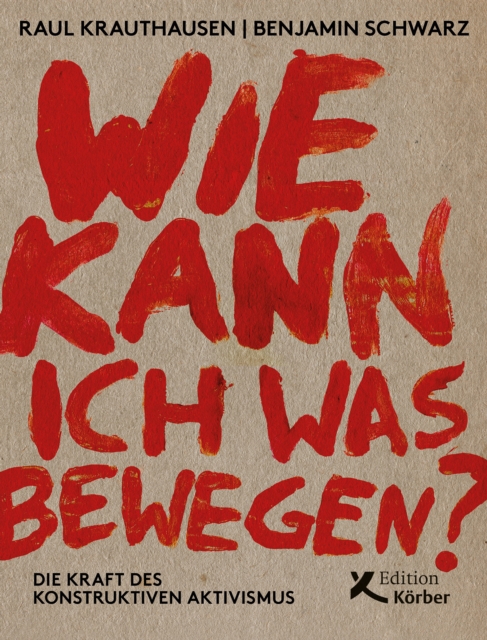
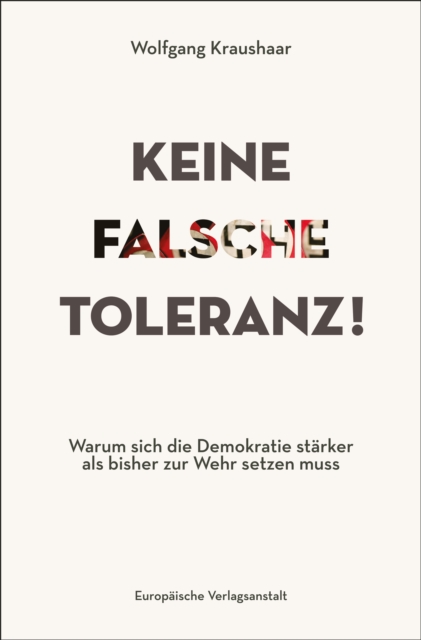
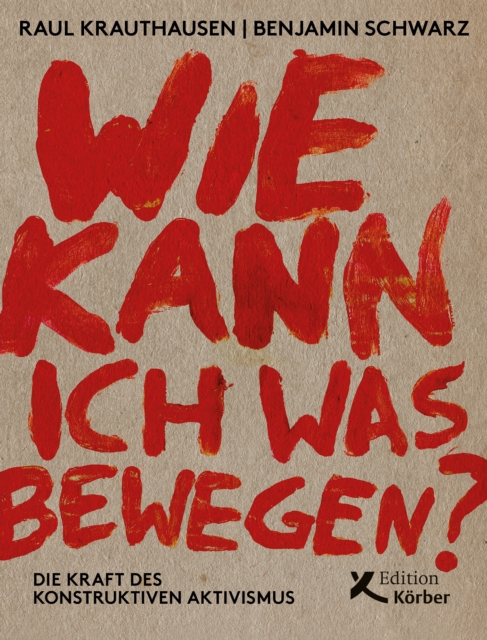
Partizipationsbereite Bürgerinnen und Bürger, die zum Beispiel wählen gehen oder sich an politischen Diskussionen beteiligen, sind zentral für die Demokratie.
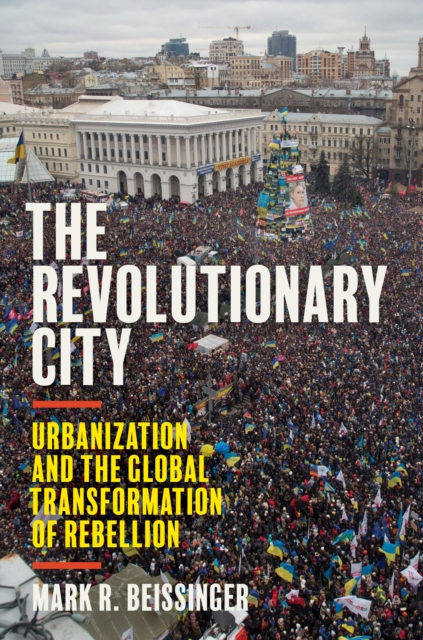
How and why cities have become the predominant sites for revolutionary upheavals in the contemporary worldExamining the changing character of revolution around the world, The Revolutionary City focuses on the impact that the concentration of people, power, and wealth in cities exercises on revolutionary processes and outcomes.
A Financial Times Best Book of the YearAn inside view of Chinese academia and what it reveals about China's political systemOn January 1, 2017, Daniel Bell was appointed dean of the School of Political Science and Public Administration at Shandong Universitythe first foreign dean of a political science faculty in mainland China's history.
One of the country's most influential public intellectuals asks: What if the rootsof the culture war lie not in the culture itself, but laws and regulations enacted decades ago that few are aware of today?
Joachim Perels' historische Analyse des Verhältnisses von Privatrechtssystem und Verfassungsstruktur in der Weimarer Republik verdeutlicht den Grundwiderspruch zwischen einer kapitalistischen Ordnung und einer umfassenden Demokratie.
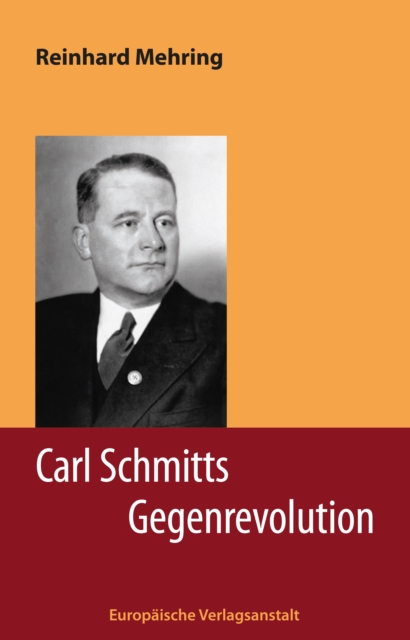
Carl Schmitt stellte sich 1922 programmatisch in die Reihen einer "Gegenrevolution", die er durch den Bruch mit dem Monarchismus und dem Schritt "von der Legitimität zur Diktatur" gekennzeichnet sah.
Vom Klimawandel über Wahlmanipulationen und Covid-19 bis zum Krieg in Syrien: Über soziale Medien verbreiten sich Theorien und Meinungen schneller und erreichen mehr Menschen als je zuvor.
Vom Klimawandel über Wahlmanipulationen und Covid-19 bis zum Krieg in Syrien: Über soziale Medien verbreiten sich Theorien und Meinungen schneller und erreichen mehr Menschen als je zuvor.
"Auf dem "langen Weg nach Westen" haben wir die historische Chance der Republik von Weimar verspielt, sind aber bei dem "demokratischen Verfassungsstaat", wie Preuß ihn entwickelt und begründet hatte, am Ende doch noch angekommen…" (Chr.
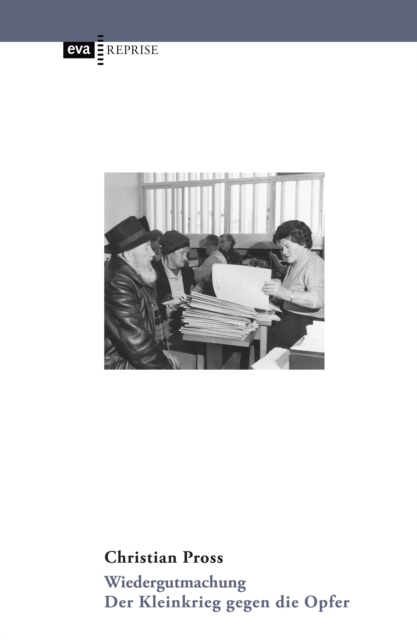
Die Alliierten, der Staat Israel und die Conference on Jewish Material Claims als Interessenvertreter der Millionen ermordeten und geschädigten Juden schlossen 1952 zwischenstaatliche Verträge mit der Bundesrepublik ab, Wiedergutmachung zu leisten.
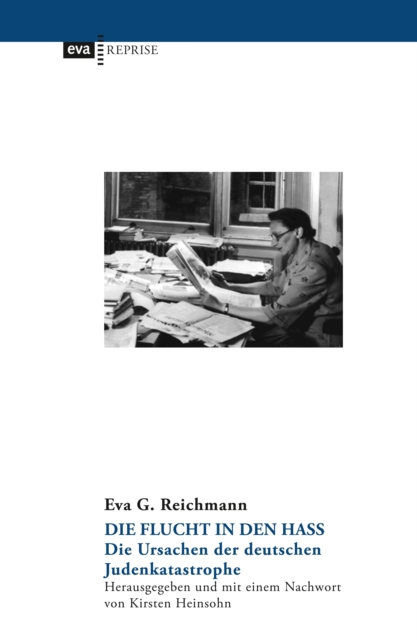
Eva Gabriele Reichmann arbeitete ab 1924 als kulturpolitische Referentin beim 'Centralverein deutscher Staatsbürger jüdischen Glaubens', abgekürzt CV, einer Organisation, die sich um die Rechte deutscher Bürgern jüdischer Herkunft und Religion kümmerte, was seit den 30er Jahren immer notwendiger wurde.
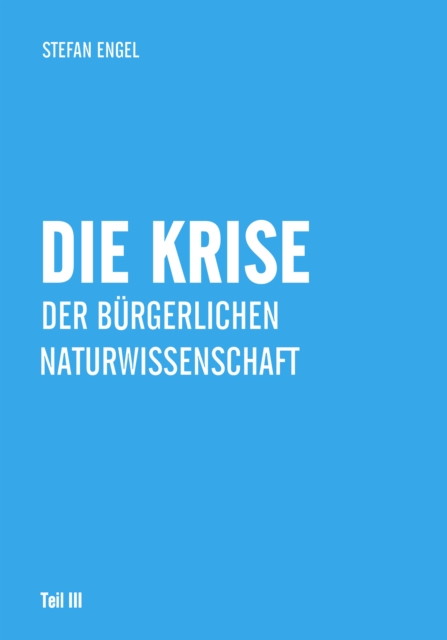
In der Buchreihe »Die Krise der bürgerlichen Ideologie und die Lehre der Denkweise« behandelt der dritte Band die Krise der bürgerlichen Naturwissenschaft.
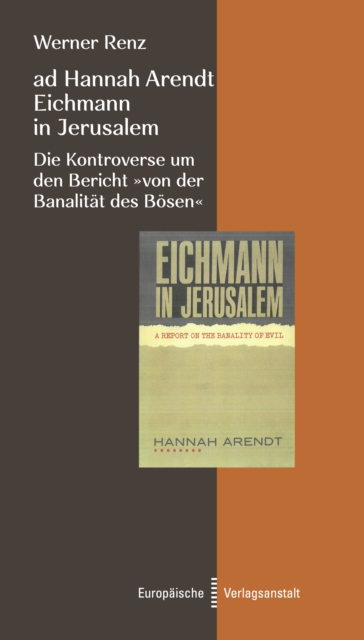
»Bei Arendts Bericht über den Eichmann-Prozeß« handelt es sich »um eine nachgerade apokryphe Schrift […], in der bei weitem mehr abgehandelt wird als der nationalsozialistische Judenmord allein.
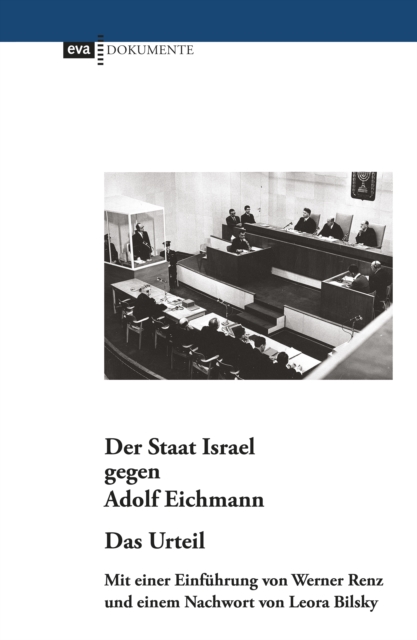
Vor 60 Jahren, im April 1961, begann der spektakuläre Prozess, den der Staat Israel gegen den SS- Obersturmbannführer und Organisator des Holocaust, Adolf Eichmann, führte, und der am 15.
"Procesos de la noche" narra la odisea judicial que la familia de Julio César Mondragón tuvo que emprender para poder esclarecer la verdad sobre su asesinato.
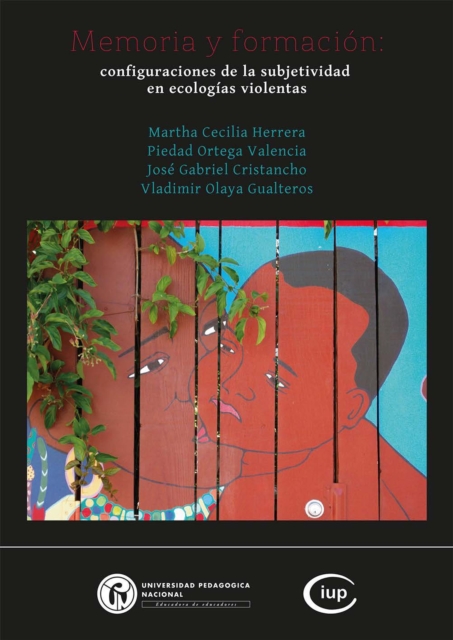
Producto de investigacion grupal e interdisciplinar y de un proceso continuo de acumulacion de conocimientos, el libro Memoria y formacion: configuraciones de la subjetividad en ecologias violentas es, por si mismo, parte de esta nueva corriente de los estudios sobre la violencia en nuestro pais; se nutre de ella, reinterpreta los avances teoricos y metodologicos logrados en la comprension historica, sociologica, politica y psicologica del conflicto armado colombiano, y establece areas en torno a las cuales su aporte es novedoso: la consolidacion de la memoria del conflico armado como campo cultural, las relaciones entre obra artistica, subjetividad, formacion y memoria, la subjetivacion y formacion etico-politica que emergen en la memoria de maestros y jovenes, la ensenanza de la historia reciente sobre violencia politica, y la participacion de la pedagogia critica en la configuracion de una pedagogia de la memoria en contextos de violencia politica.
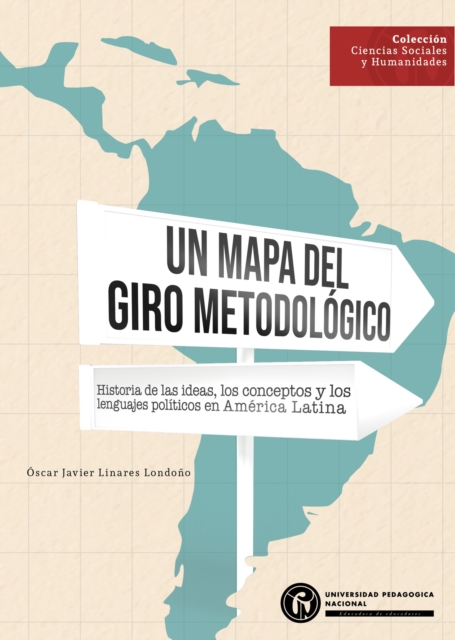
Comprender el lugar que ocupan las competencias en la educación conlleva entender la naturaleza multidimensional del capitalismo y de los cambios operados desde las nuevas formas de expansión y acumulación de la productividad, identificando ya no solo la condición económica, sino también el papel que asumen las dimensiones afectivas, comunicativas, las relaciones sociales, en las prácticas de gobierno contemporáneas.
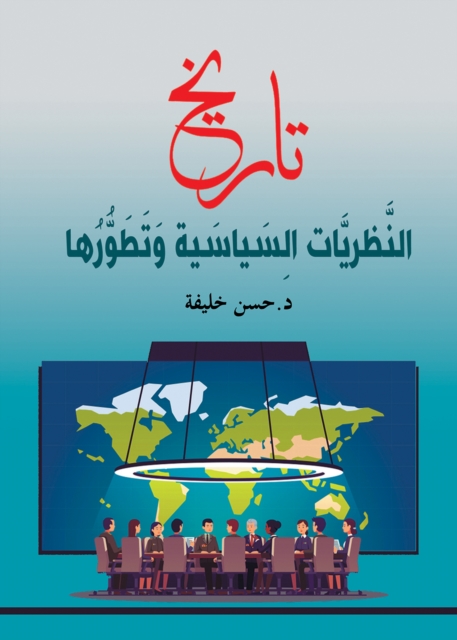
It covers the history of the formation and progression of political theories, beginning with its emergence among the Greeks in the time of their ancient civilization, tracing its influence among the Romans and in the Middle Ages, and examining it in the era of the scientific renaissance and religious reform.
El presente libro da cuenta de una investigación en la que las autoras se interrogan por las modalidades de constitución de las subjetividades que tuvieron lugar en el contexto de prácticas de cultura política en América Latina a partir de 1960, en las cuales la violencia política fue uno de sus componentes fundamentales.
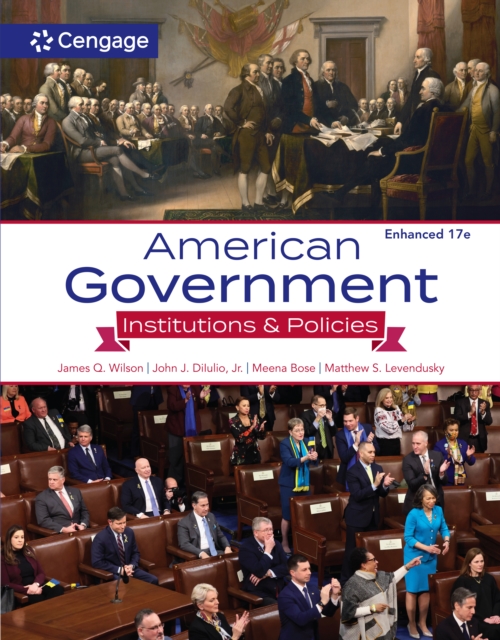
Packed with current examples and practical insight, Wilson/Dilulio/Bose/Levendusky's AMERICAN GOVERNMENT: INSTITUTIONS AND POLICIES, ENHANCED 17th edition, gives you a clear understanding of the U.
Tannenbaum/McGinnis' INVENTORS OF IDEAS: INTRODUCTION TO POLITICAL THOUGHT, 4th Edition, introduces you to the works of key figures in the history of political thought -- highlighting their context in history while also shedding light on current political questions.