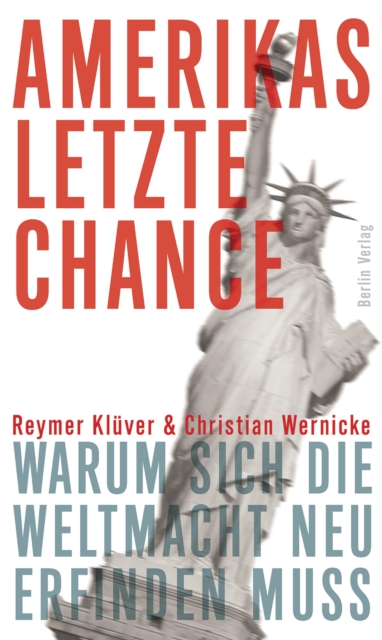
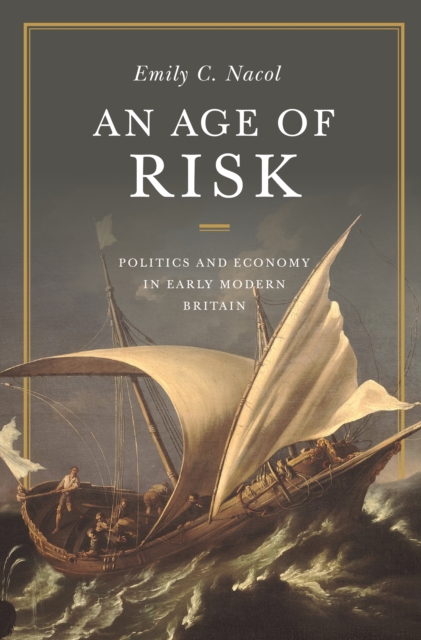
The American public has consistently declared itself less concerned with foreign affairs in the post-Cold War era, even after 9/11, than at any time since World War II.
Revolutionary ideas on how to use markets to achieve fairness and prosperity for allMany blame today's economic inequality, stagnation, and political instability on the free market.
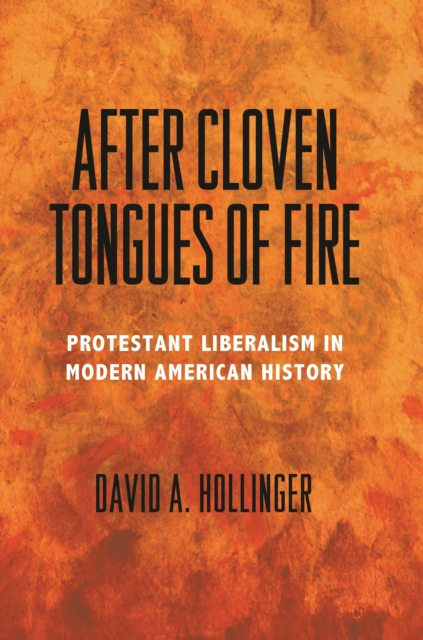
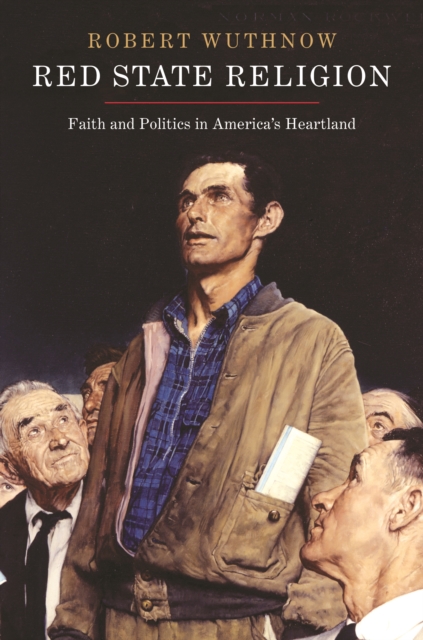
The important role of liberal ecumenical Protestantism in American historyThe role of liberalized, ecumenical Protestantism in American history has too often been obscured by the more flamboyant and orthodox versions of the faith that oppose evolution, embrace narrow conceptions of family values, and continue to insist that the United States should be understood as a Christian nation.
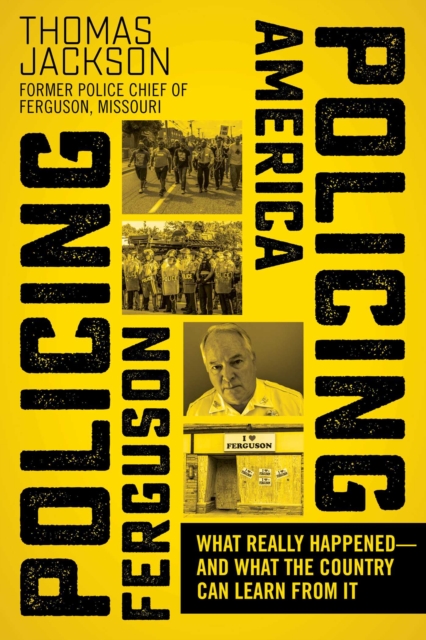
Following the fatal shooting in broad daylight of unarmed African American Michael Brown by a white cop in August 2014, Ferguson, Missouri became the scene of protests that pitted law enforcement against locals and Black Lives matter activists.
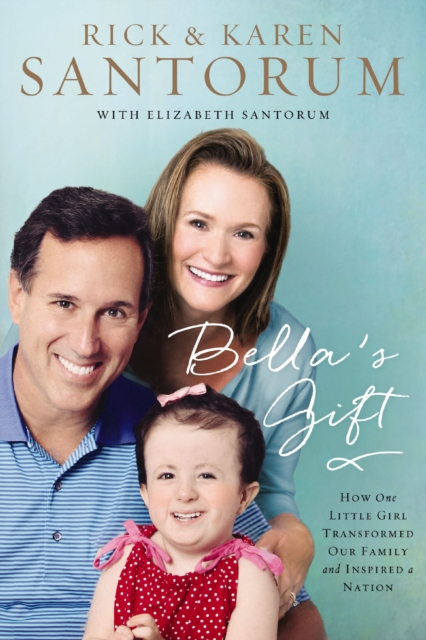
NEW YORK TIMES BESTSELLERRick and Karen Santorum's inspiring story of life with Bella, their special-needs youngest child Four days after Rick and Karen Santorum welcomed their eighth baby into the world they were given the devastating news that their little girl, Bella, was going to die.
A groundbreaking book that gathers key wartime intelligence reportsDuring the Second World War, three prominent members of the Frankfurt School-Franz Neumann, Herbert Marcuse, and Otto Kirchheimer-worked as intelligence analysts for the Office of Strategic Services, the wartime forerunner of the CIA.
A major history of Afghanistan and its changing political cultureAfghanistan traces the historic struggles and the changing nature of political authority in this volatile region of the world, from the Mughal Empire in the sixteenth century to the Taliban resurgence today.
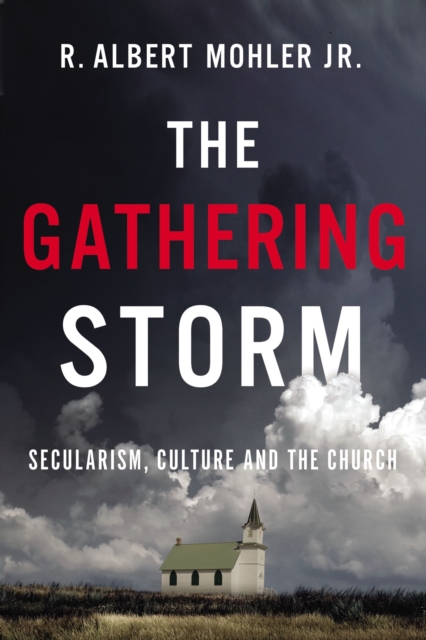
The president of Southern Seminary reveals how secularism has infiltrated every aspect of society and how Christians, equipped with the gospel of Jesus Christ, can meet it head on with hope, confidence, and steadfast conviction.
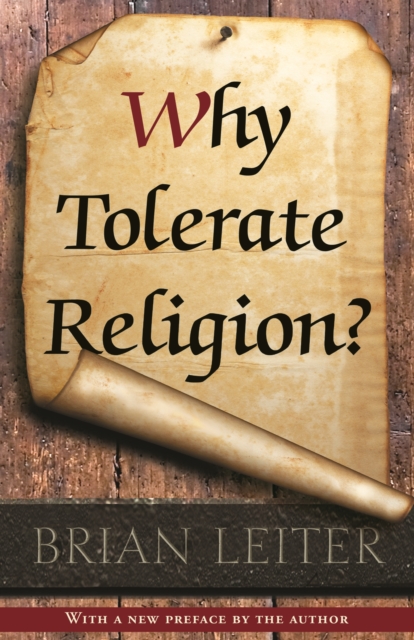
Why it's wrong to single out religious liberty for special legal protectionsThis provocative book addresses one of the most enduring puzzles in political philosophy and constitutional theory-why is religion singled out for preferential treatment in both law and public discourse?
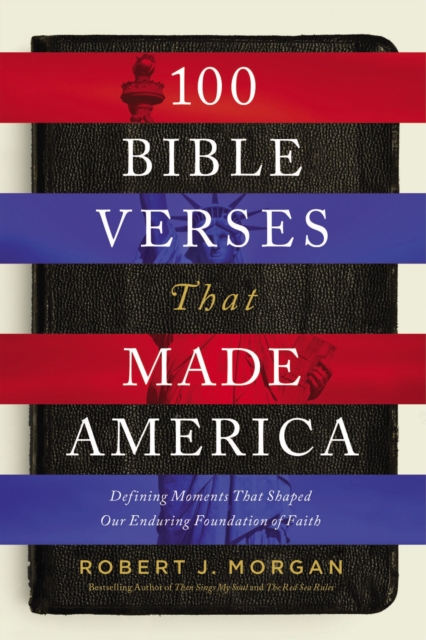
Bestselling author Robert Morgan explores 100 Bible verses that powerfully impacted our leaders during defining moments in American history and reflects upon what these verses mean for us as a nation today.
A history of the battles over US immigrants' rights since 1965-and how these conflicts reshaped access to education, employment, civil liberties, and moreThe 1965 Hart-Celler Act transformed the American immigration system by abolishing national quotas in favor of a seemingly egalitarian approach.
One of the world's leading political thinkers explores the history, nature, and prospects of the liberal traditionThe Making of Modern Liberalism is a deep and wide-ranging exploration of the origins and nature of liberalism from the Enlightenment through its triumphs and setbacks in the twentieth century and beyond.
The end of the Cold War was a "e;big bang"e; reminiscent of earlier moments after major wars, such as the end of the Napoleonic Wars in 1815 and the end of the world wars in 1919 and 1945.
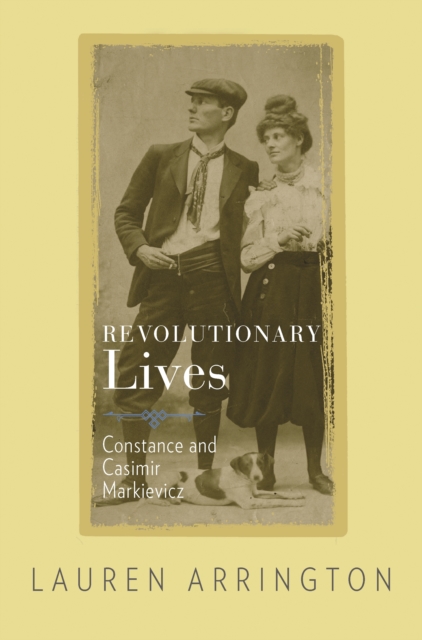
Constance Markievicz (1868-1927), born to the privileged Protestant upper class in Ireland, embraced suffrage before scandalously leaving for a bohemian life in London and then Paris.
Victim offender dialogues have been developed as a way to hold offenders accountable to the person they have harmed and to give victims a voice about how to put things right.
New perspectives on American political history from one of its leading writersIn recent years, the study of American political history has experienced a remarkable renaissance.
A textbook that examines how societies reach decisions about the use and allocation of economic resourcesWhile economic research emphasizes the importance of governmental institutions for growth and progress, conventional public policy textbooks tend to focus on macroeconomic policies and on tax-and-spend decisions.
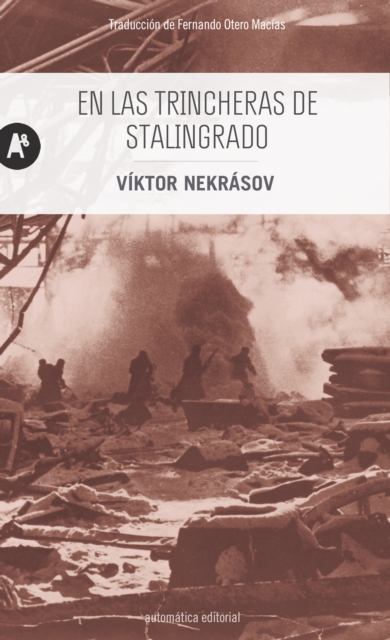
En las trincheras de Stalingrado es una pieza fundamental de la literatura bélica y uno de los primeros textos escritos en la antigua Unión Soviética que aborda con honestidad incontestable el que, probablemente, sea el episodio más importante de la Gran Guerra Patria: la batalla por Stalingrado.
The Dictionary of Labour Biography has an outstanding reputation as a reference work for the study of nineteenth and twentieth century British history.
This reissued work, originally published in 1985, is a uniquely broad and original survey of theories and beliefs about the growth, behaviour, performance and reform of the governments of modern Western democracies.
In Local Heroes, Kathryn Stoner-Weiss analyzes a crucial aspect of one of the great dramas of modern times--the reconstitution of the Russian polity and economy after more than seventy years of communist rule.
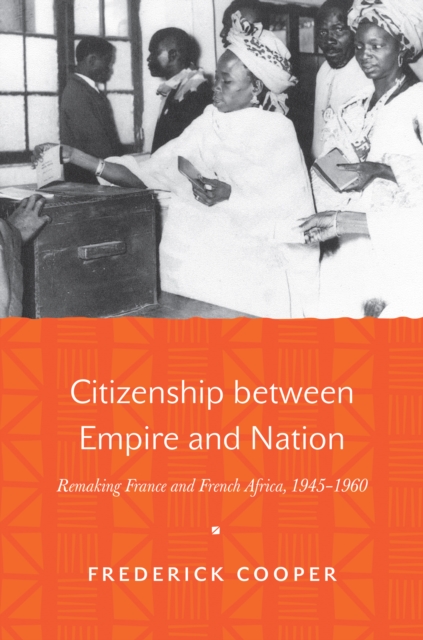
A groundbreaking history of the last days of the French empire in AfricaAs the French public debates its present diversity and its colonial past, few remember that between 1946 and 1960 the inhabitants of French colonies possessed the rights of French citizens.
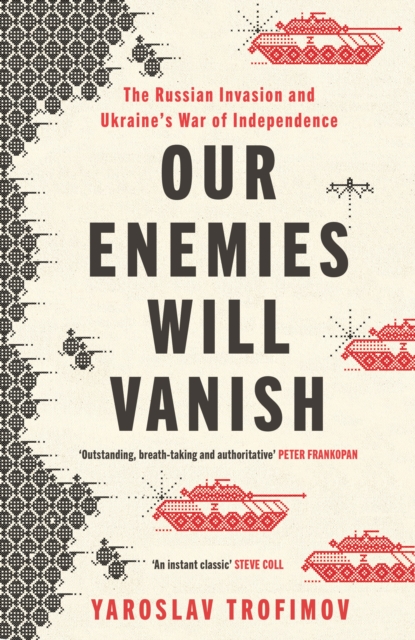
THE COMPELLING ACCOUNT FROM THE FRONT LINES OF THE WAR IN UKRAINEFINALIST FOR THE ORWELL PRIZEFINALIST FOR THE PETERSON LITERARY PRIZEA revelatory eyewitness account of Russia s invasion of Ukraine and heroism of the Ukrainian resistance by Pulitzer Prize finalist Yaroslav Trofimov, the chief foreign-affairs correspondent for The Wall Street Journal.
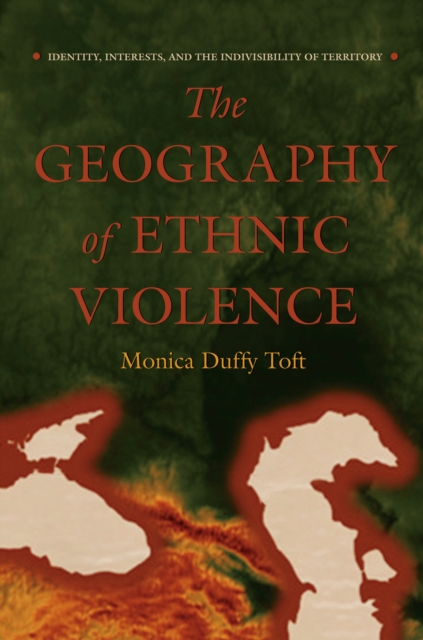
The Geography of Ethnic Violence is the first among numerous distinguished books on ethnic violence to clarify the vital role of territory in explaining such conflict.
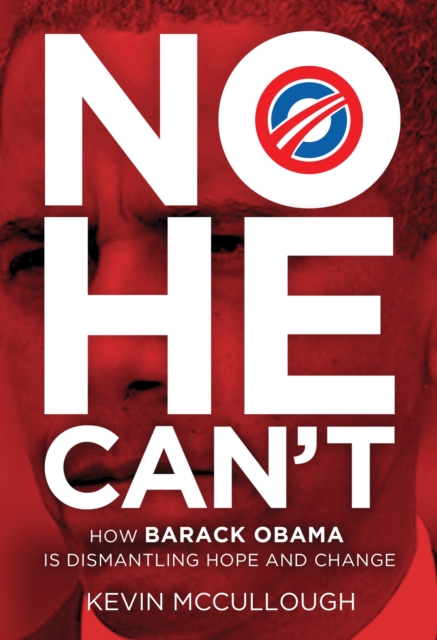
Accepting his party's presidential nomination in the summer of 2008, Barack Obama beamed while Denver's stadium rocked with gauzy chants from adoring admirers.
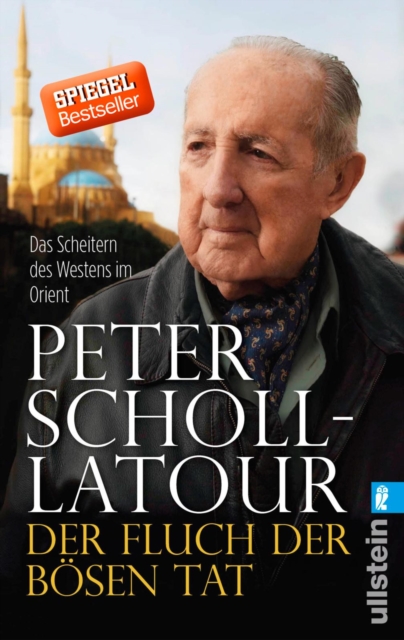
Es gärt und brodelt überall: Syrien und der Irak versinken im grausamen Bürgerkrieg aller gegen alle, in der Türkei ringen islamistische und säkulare Kräfte um die Vormacht.
PräambelDie dunklen Flecken der Vergangenheit niemals vergessend, seinen Stolz auf die Gegenwart undZukunft begründend, mit dem Bewusstsein beseelt, dass ein friedvolles Zusammenleben der Völkernur in einer intakten Umwelt, unter ausgleichender Gerechtigkeit und Achtung der Selbstbestimmungder Völker erdenklich ist, gibt sich das selbstbewusste Thüringer (fränkisch germanische) Volk seineNeutralität erklärend die folgende Verfassung.