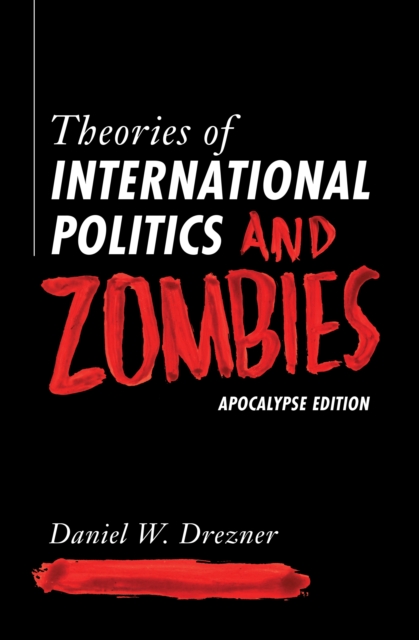
How international relations theory can be applied to a zombie invasionWhat would happen to international politics if the dead rose from the grave and started to eat the living?
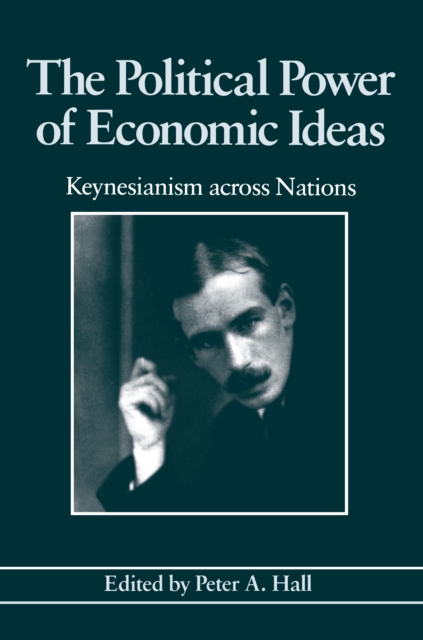
John Maynard Keynes once observed that the "e;ideas of economists and political philosophers, both when they are right and when they are wrong, are more powerful than is commonly understood.
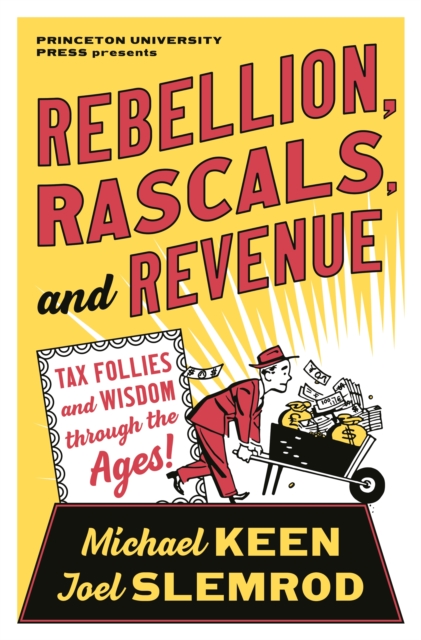
An engaging and enlightening account of taxation told through lively, dramatic, and sometimes ludicrous stories drawn from around the world and across the agesGovernments have always struggled to tax in ways that are effective and tolerably fair.
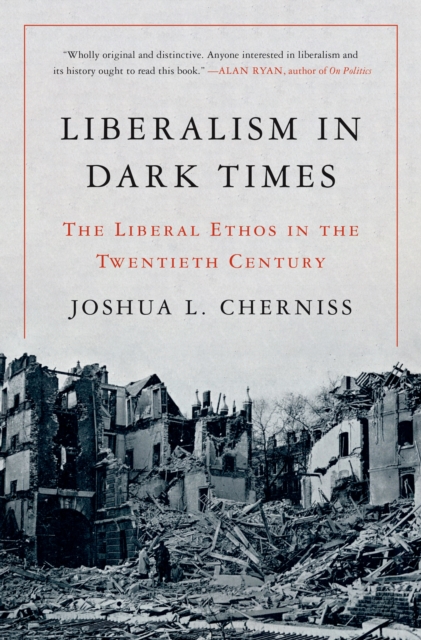
A timely defense of liberalism that draws vital lessons from its greatest midcentury proponentsToday, liberalism faces threats from across the political spectrum.
How women preserved the power of the Catholic Church in Mexican political lifeWhat accounts for the enduring power of the Catholic Church, which withstood widespread and sustained anticlerical opposition in Mexico?
This work is the first systematic attempt to measure the impact of the Voting Rights Act of 1965, commonly regarded as the most effective civil rights legislation of the century.
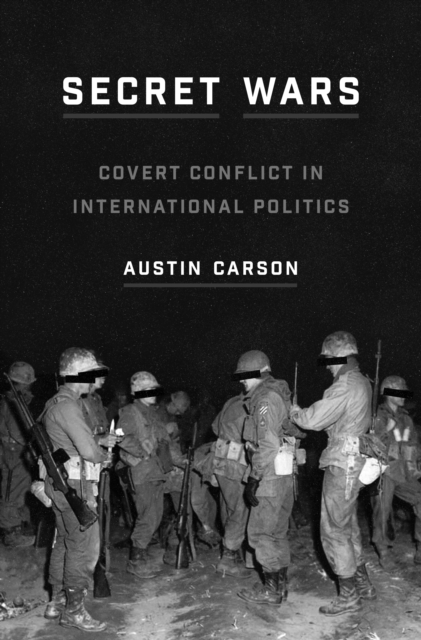
Secret Wars is the first book to systematically analyze the ways powerful states covertly participate in foreign wars, showing a recurring pattern of such behavior stretching from World War I to U.
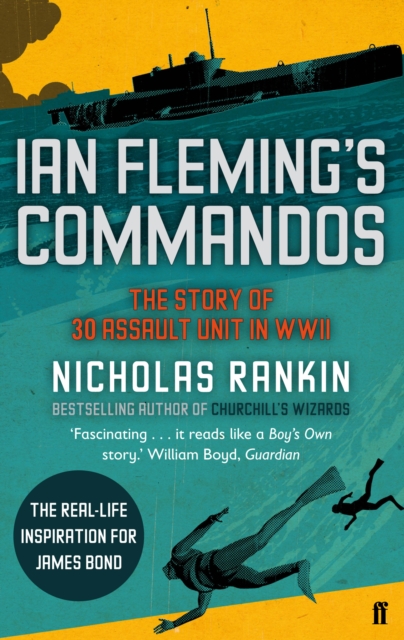
In 1942, Lieutenant-Commander Ian Fleming was personal assistant to the Director of Naval Intelligence - the dynamic figure behind James Bond's fictional chief, 'M'.
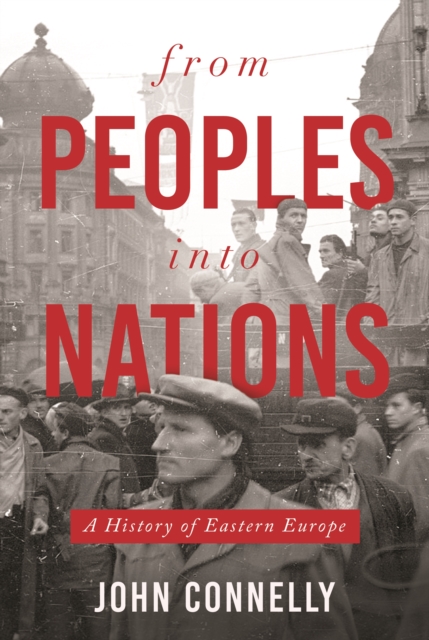
A sweeping narrative history of Eastern Europe from the late eighteenth century to todayIn the 1780s, the Habsburg monarch Joseph II decreed that henceforth German would be the language of his realm.
Prescient essays about the state of our politics from the philosopher who predicted that a populist demagogue would become president of the United StatesRichard Rorty, one of the most influential intellectuals of recent decades, is perhaps best known today as the philosopher who, almost two decades before the 2016 U.
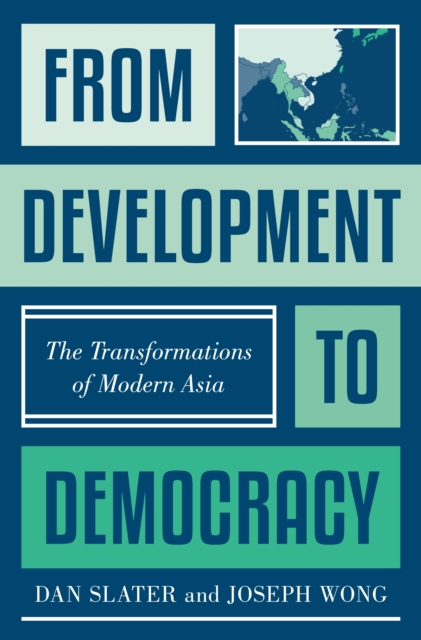
Why some of Asia's authoritarian regimes have democratized as they have grown richer-and why others haven'tOver the past century, Asia has been transformed by rapid economic growth, industrialization, and urbanization-a spectacular record of development that has turned one of the world's poorest regions into one of its richest.
A new edition of the classic work on the economic tools of foreign policyToday's complex and dangerous world demands a complete understanding of all the techniques of statecraft, not just military ones.
Alexander Schuessler has done what many deemed impossible: he has wedded rational choice theory and the concerns of social theory and anthropology to explain why people vote.
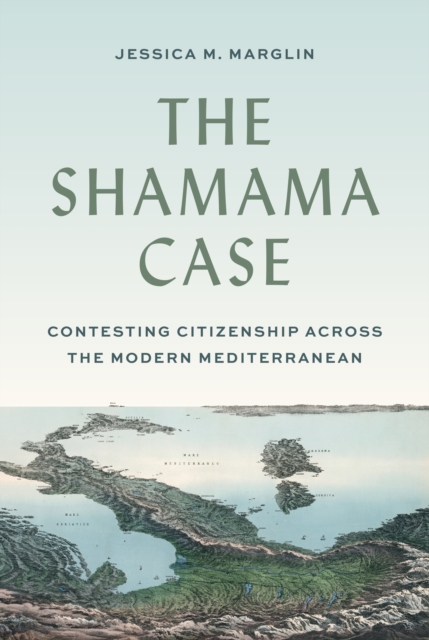
How a nineteenth-century lawsuit over the estate of a wealthy Tunisian Jew shines new light on the history of belongingIn the winter of 1873, Nissim Shamama, a wealthy Jew from Tunisia, died suddenly in his palazzo in Livorno, Italy.
From the acclaimed author of The Gunpowder Age, a book that casts new light on the history of China and the West at the turn of the nineteenth centuryGeorge Macartney's disastrous 1793 mission to China plays a central role in the prevailing narrative of modern Sino-European relations.
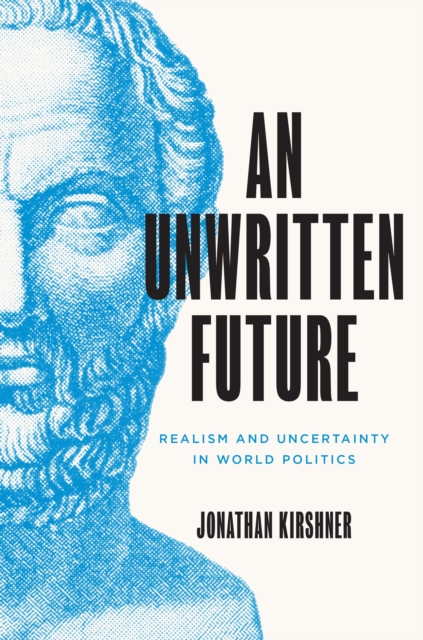
An argument for the classical realist approach to world politics An Unwritten Future offers a fresh reassessment of classical realism, an enduring approach to understanding crucial events in the international political arena.
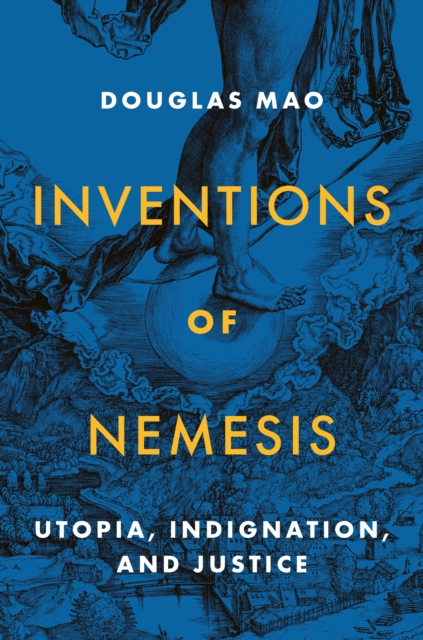
A wide-ranging reevaluation of utopian literature and philosophy, from Plato to Chang-Rae LeeExamining literary and philosophical writing about ideal societies from Greek antiquity to the present, Inventions of Nemesis offers a striking new take on utopia's fundamental project.
An authoritative introduction to ISIS-now expanded and revised to bring events up to the presentThe Islamic State stunned the world with its savagery, destructiveness, and military and recruiting successes.
A comprehensive account of how the Athenian constitution was created-with lessons for contemporary constitution-buildingWe live in an era of constitution-making.
The origins and development of the modern American emergency stateFrom pandemic disease, to the disasters associated with global warming, to cyberattacks, today we face an increasing array of catastrophic threats.
This major work on Texas politics explores the complicated relations between the politically disorganized Texas blue-collar class and the "e;rich and the fabulously rich,"e; whose interests have been protected by "e;brilliant practitioners of horse trading, guile, the jovial but serious threat, the offer that can't be refused.
The present international system, composed for the most part of sovereign, territorial states, is often viewed as the inevitable outcome of historical development.
During the 1992 presidential campaign, health care reform became a hot issue, paving the way for one of the most important yet ill-fated social policy initiatives in American history: Bill Clinton's 1993 proposal for comprehensive coverage under "e;managed competition.
The acceptance of human rights and minority rights, the increasing role of international financial institutions, and globalization have led many observers to question the continued viability of the sovereign state.
In recent decades, governments and NGOs--in an effort to promote democracy, freedom, fairness, and stability throughout the world--have organized teams of observers to monitor elections in a variety of countries.
In Reluctant Crusaders, Colin Dueck examines patterns of change and continuity in American foreign policy strategy by looking at four major turning points: the periods following World War I, World War II, the Cold War, and the 9/11 terrorist attacks.
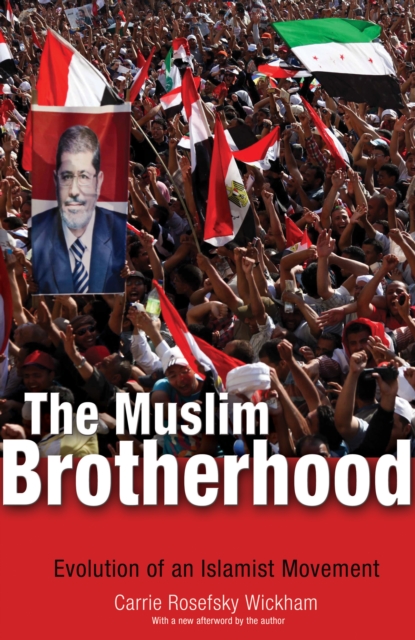
How the Muslim Brotherhood rose to power in Egypt, and what it means for the Islamic worldFollowing the Arab Spring, the Muslim Brotherhood achieved a level of influence previously unimaginable.
Pradeep Chhibber and Ken Kollman rely on historical data spanning back to the eighteenth century from Canada, Great Britain, India, and the United States to revise our understanding of why a country's party system consists of national or regional parties.
In this provocative book, Stein Ringen argues that the world's democracies are failing to live up to their ideals--the United States and Great Britain most especially.
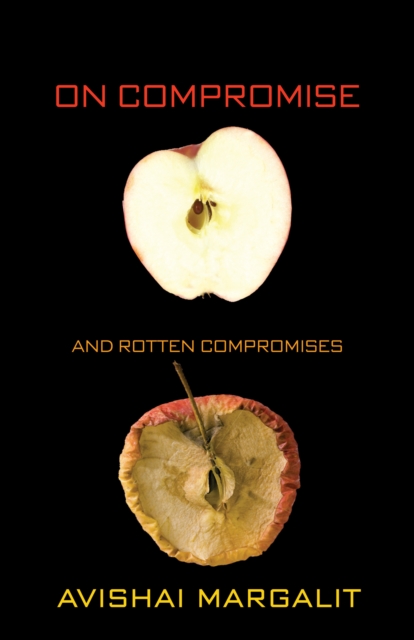
A searching examination of the moral limits of political compromiseWhen is political compromise acceptable-and when is it fundamentally rotten, something we should never accept, come what may?