First published in 1930, amidst the collapse of socialist ideals and the onset of fascism throughout parts of Europe, Liberal Socialism is a powerful and timely document on the ethics of political action.
In economics, the emergence of New Growth Theory in recent decades has directed attention to an old and important problem: what are the forces of economic growth and how can public policy enhance them?
The vital issue facing urban America during the 1960's-the downward spiral of poverty, deterioration, and exploitation in poor neighborhoods-was attacked by The Woodlawn Organization (TWO) in Chicago.
In this innovative theoretical book, Elizabeth Kier uses a cultural approach to take issue with the conventional wisdom that military organizations inherently prefer offensive doctrines.
From the 1850s to the 1920s, laws regulating the industrial labor process, pensions for the elderly, unemployment insurance, and measures to educate and ensure the welfare of children were enacted in many industrializing capitalist nations.
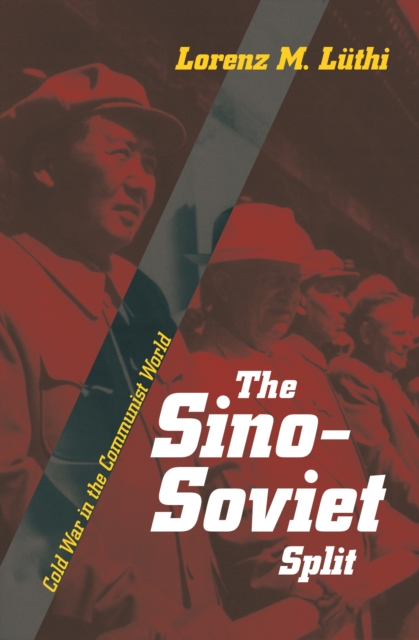
A decade after the Soviet Union and the People's Republic of China established their formidable alliance in 1950, escalating public disagreements between them broke the international communist movement apart.
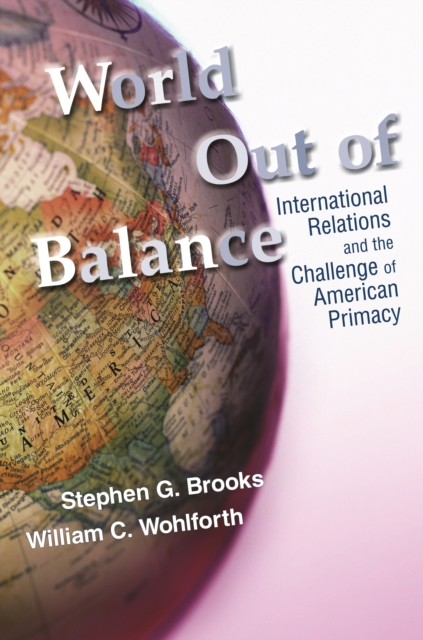
World Out of Balance is the most comprehensive analysis to date of the constraints on the United States' use of power in pursuit of its security interests.
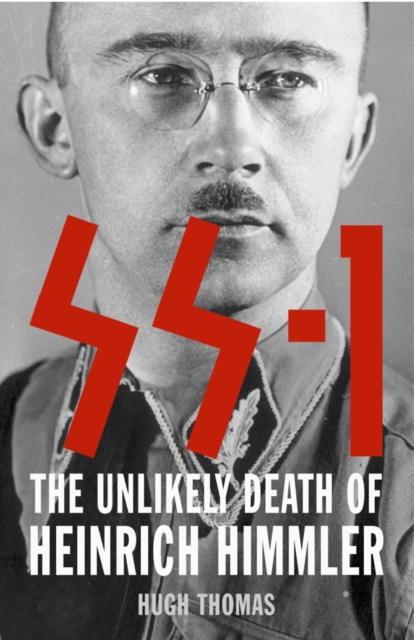
First serious examination of the curious demise of Reichsfuhrer SS Heinrich Himmler that also investigates an extraordinary web of secret deals and international intrigue.
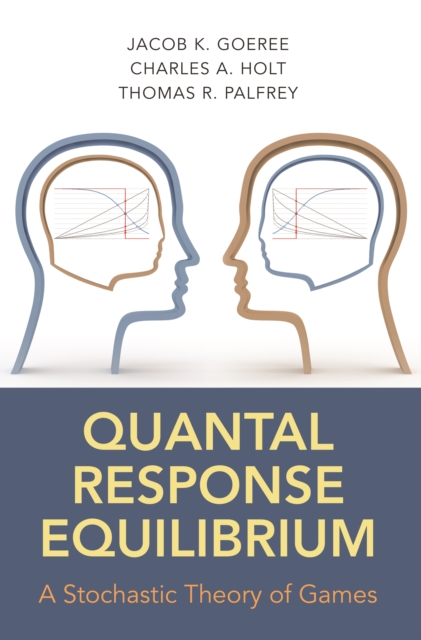
Quantal Response Equilibrium presents a stochastic theory of games that unites probabilistic choice models developed in psychology and statistics with the Nash equilibrium approach of classical game theory.
For about eight months in 1968 Czechoslovakia underwent rapid and radical changes that were unparalleled in the history of communist reform; in the eight months that followed, those changes were dramatically reversed.
This detailed account of ethnic minority politics explains when and how European institutions successfully used norms and incentives to shape domestic policy toward ethnic minorities and why those measures sometimes failed.
Getulio Dornelles Vargas established his dictatorship in Brazil in 1937, and from 1938 through 1940 American diplomats and military planners were preoccupied with the possibility that Brazil might ally herself with Nazi Germany.
Concentrating on the American historical experience, the contributors to this volume apply quantitative techniques to the study of popular voting behavior.
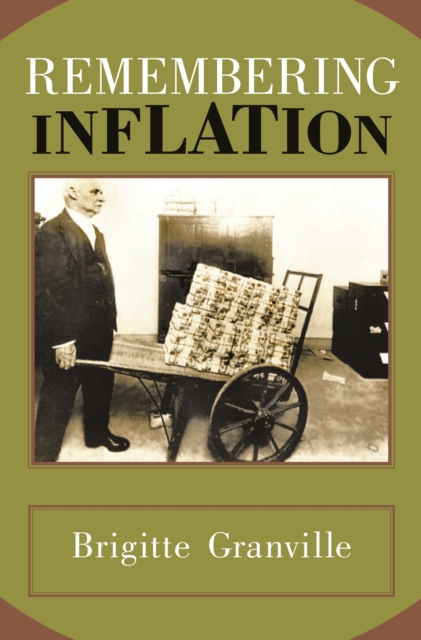
Why we need to heed the lessons of high inflationToday's global economy, with most developed nations experiencing very low inflation, seems a world apart from the "e;Great Inflation"e; that spanned the late 1960s to early 1980s.
An interdisciplinary look at the behavioral roots of public policy from the field's leading expertsIn recent years, remarkable progress has been made in behavioral research on a wide variety of topics, from behavioral finance, labor contracts, philanthropy, and the analysis of savings and poverty, to eyewitness identification and sentencing decisions, racism, sexism, health behaviors, and voting.
Political science and sociology increasingly rely on mathematical modeling and sophisticated data analysis, and many graduate programs in these fields now require students to take a "e;math camp"e; or a semester-long or yearlong course to acquire the necessary skills.
In 1502, a decade of increasing tension between Muslims and Christians in Spain culminated in a royal decree that Muslims in Castile wanting to remain had to convert to Christianity.
Press "e;ONE"e; for English examines how Americans form opinions on language policy issues such as declaring English the official language, printing documents in multiple languages, and bilingual education.
The City at Stake tells the dramatic story of how the nation's second-largest city completed a major reform of its government in the face of a deeply threatening movement for secession by the San Fernando Valley.
War--or the threat of war--usually strengthens states as governments tax, draft soldiers, exert control over industrial production, and dampen internal dissent in order to build military might.
To date, the world can lay claim to little more than 190 sovereign independent entities recognized as nation-states, while by some estimates there may be up to eight hundred more nation-state projects underway and seven to eight thousand potential projects.
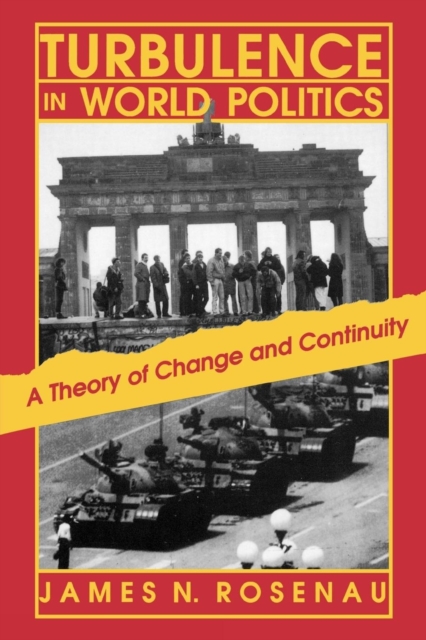
During the Cold War, most international relations theorists and strategic studies analysts paid little attention to ethnic and other forms of communal conflict.
Walker Connor, perhaps the leading student of the origins and dynamics of ethnonationalism, has consistently stressed the importance of its political implications.
By combining historical and political analysis with a sophisticated sociological approach, Jane Gross offers a new itnerpretations of the German occupation of Poland during World War II.
This book is not only an explanation of the political dynamic that led to the Polish "e;revolution"e; and the birth of Solidarity in 1980 and 1981 but an extremely important analysis of postwar East Central Europe.
Aaron Burr fells Alexander Hamilton in a duel in July, but Jefferson, caring little for either adversary or for disruptive partisan warfare, gives the event only limited notice.
In February 1920 the civil war that had ravaged Russia in the wake of the Bolshevik seizure of power was all but over, and with it the attempt of foreign governments to intervene on behlf of the anti-Communist forces.
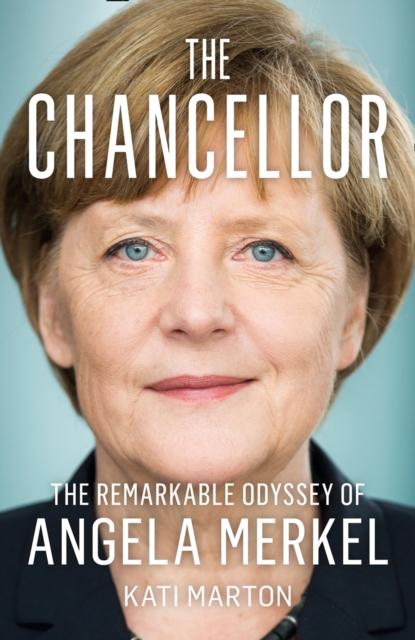
'An intimate, insightful portrait of an extraordinarily private leader' WALTER ISAACSONFrom the bestselling author of Enemies of the PeopleAn intimate and deeply researched account of the extraordinary rise and political brilliance of the most powerful - and elusive - woman in the world.
This volume's 571 documents cover both Jefferson's opposition to restrictions on slavery in Missouri and his concession that "e;the boisterous sea of liberty is never without a wave.
Here Christina Wolbrecht boldly demonstrates how the Republican and Democratic parties have helped transform, and have been transformed by, American public debate and policy on women's rights.
How socialist architects, planners, and contractors worked collectively to urbanize and develop the Global South during the Soviet eraIn the course of the Cold War, architects, planners, and construction companies from socialist Eastern Europe engaged in a vibrant collaboration with those in West Africa and the Middle East in order to bring modernization to the developing world.
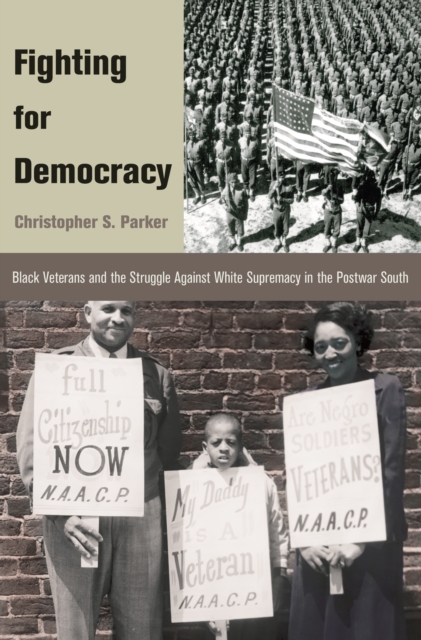
How military service led black veterans to join the civil rights struggleFighting for Democracy shows how the experiences of African American soldiers during World War II and the Korean War influenced many of them to challenge white supremacy in the South when they returned home.