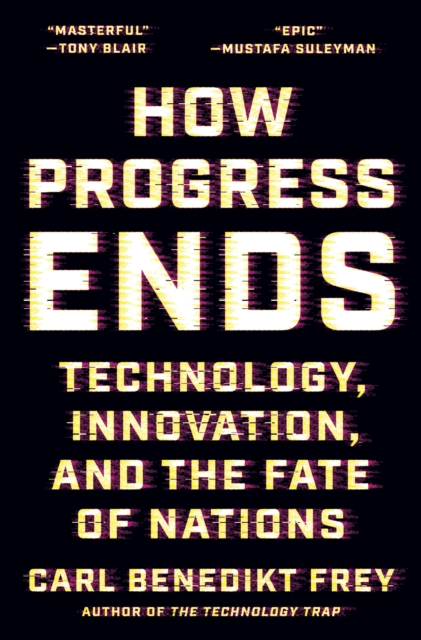
Shortlisted for the Financial Times and Schroders Business Book of the Year AwardHow 1,000 years of global history show why technological and economic progress is often followed by stagnation and even collapseIn How Progress Ends, Carl Benedikt Frey challenges the conventional belief that economic and technological progress is inevitable.
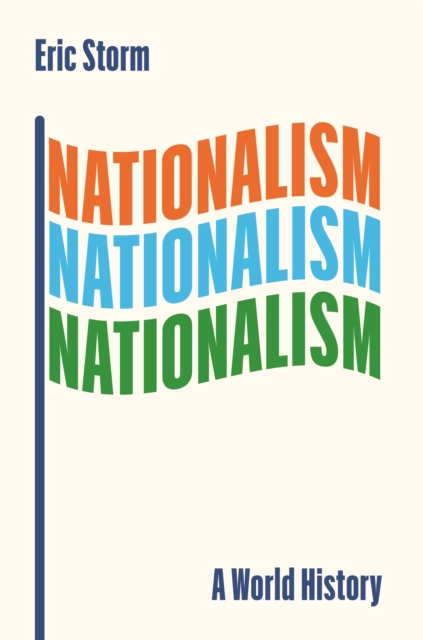
A global perspective on the nature and evolution of nationalism, from the early modern era to the presentThe current rise of nationalism across the globe is a reminder that we are not, after all, living in a borderless world of virtual connectivity.
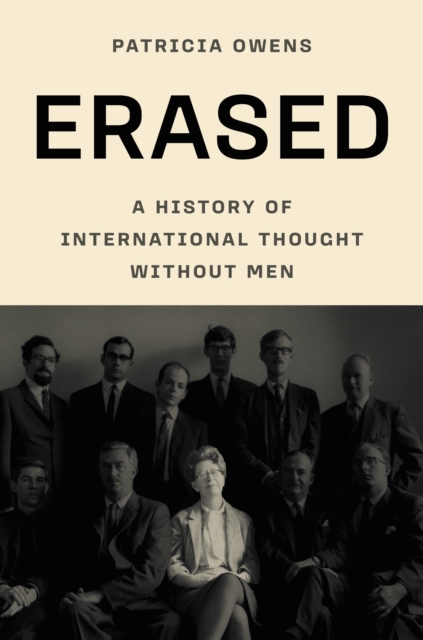
How a field built on the intellectual labor and expertise of women erased them The academic field of international relations presents its own history as largely a project of elite white men.
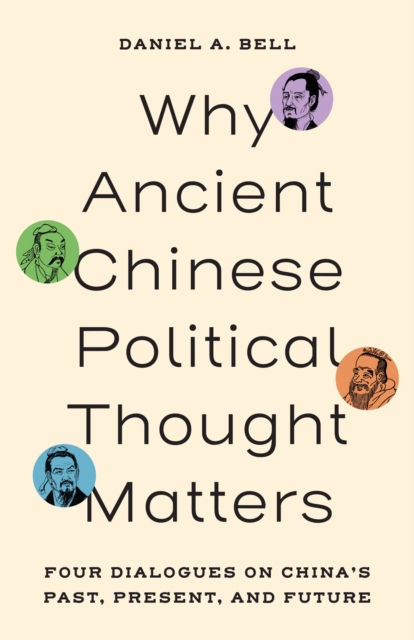
An entertaining introduction to ancient Chinese thinkersand what they can teach us about today's most pressing political questions in China and beyondChina's most original, diverse, and fascinating political debates took place more than two millennia ago, but they have profoundly shaped Chinese political thinking and practice ever since and, remarkably, their influence on the country's leaders is only growing today.
An entertaining introduction to ancient Chinese thinkersand what they can teach us about today's most pressing political questions in China and beyondChina's most original, diverse, and fascinating political debates took place more than two millennia ago, but they have profoundly shaped Chinese political thinking and practice ever since and, remarkably, their influence on the country's leaders is only growing today.
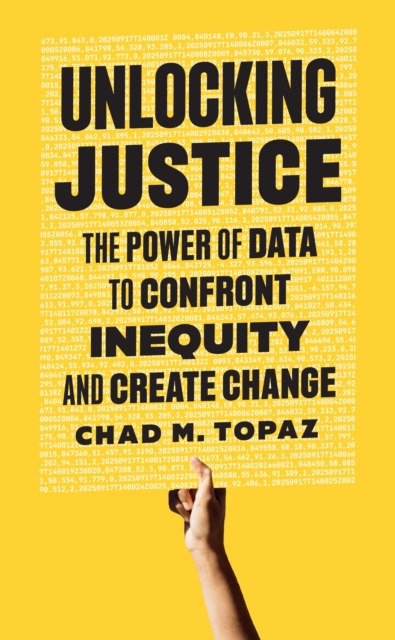
How we can challenge social injusticewith data and humanityThe American legal system does not offer equal justice to all; we can see obvious racial disparities in sentencing, policing, and incarceration.
How we can challenge social injusticewith data and humanityThe American legal system does not offer equal justice to all; we can see obvious racial disparities in sentencing, policing, and incarceration.
How concentrated economic and political power in America protects elites and fosters violence of all kinds The United States is an exceptionally violent country, increasingly unable or unwilling to stem violence in its many forms.
The intellectual biography of a Victorian Liberal polymathJames Bryce (18381922) was a leading figure in Britain's Liberal Party and a distinguished historian, a versatile scholar-politician who moved seamlessly between academia and politics.
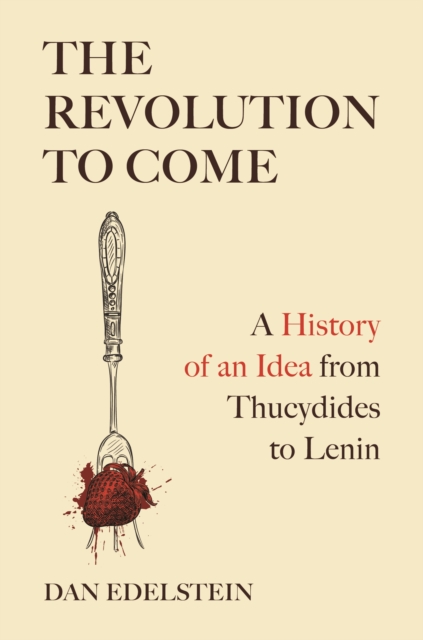
How an event once considered the greatest of all political dangers came to be seen as a solution to all social problemsPolitical thinkers from Plato to John Adams saw revolutions as a grave threat to society and advocated for a constitution that prevented them by balancing social interests and forms of government.
How an event once considered the greatest of all political dangers came to be seen as a solution to all social problemsPolitical thinkers from Plato to John Adams saw revolutions as a grave threat to society and advocated for a constitution that prevented them by balancing social interests and forms of government.
How concentrated economic and political power in America protects elites and fosters violence of all kinds The United States is an exceptionally violent country, increasingly unable or unwilling to stem violence in its many forms.
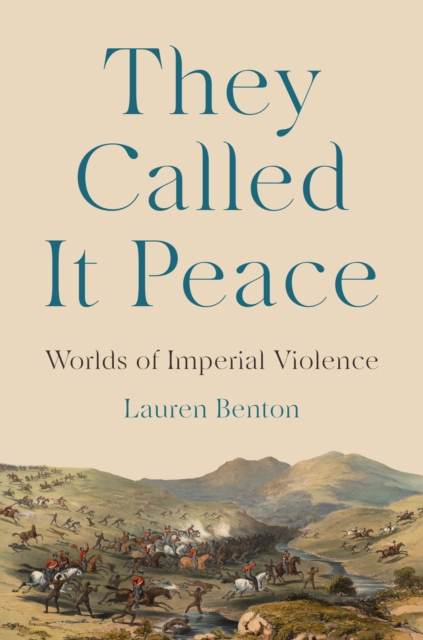
A sweeping account of how small wars shaped global order in the age of empiresImperial conquest and colonization depended on pervasive raiding, slaving, and plunder.
A sweeping account of how small wars shaped global order in the age of empiresImperial conquest and colonization depended on pervasive raiding, slaving, and plunder.
The 100 Days That Shook the WorldWhy Military Superiority Failed to Produce Decisive VictoryFor 100 days, the Middle East stood at the center of a confrontation that threatened to reshape the global balance of power.
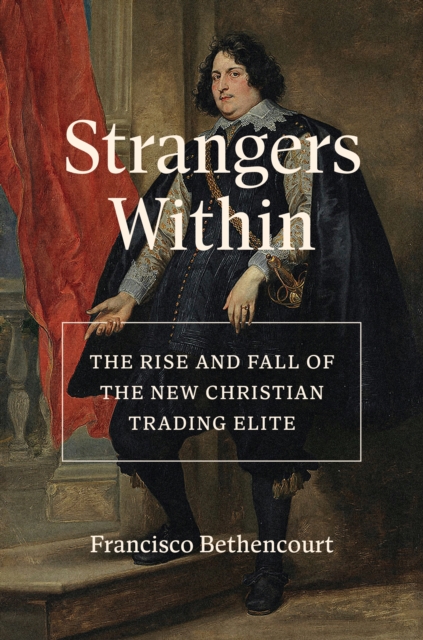
A comprehensive study of the New Christian elite of Jewish originprominent traders, merchants, bankers and men of lettersbetween the fifteenth and eighteenth centuriesIn Strangers Within, Francisco Bethencourt provides the first comprehensive history of New Christians, the descendants of Jews forced to convert to Catholicism in late medieval Spain and Portugal.
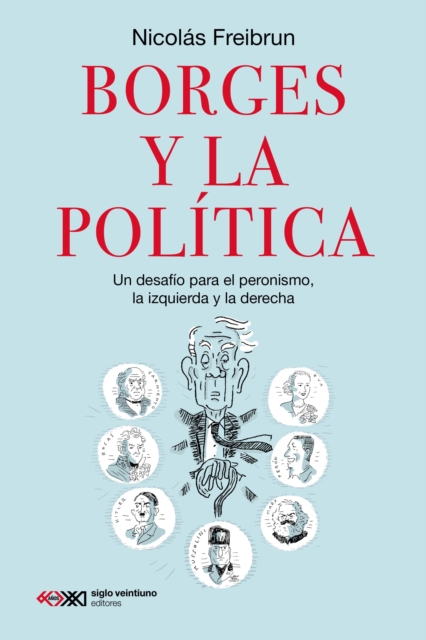
El reconocimiento internacional y su condición de escritor icónico parecen dejar a Borges a salvo de las disputas, aunque todavía pesan sobre él estigmas o prejuicios que para algunos lectores funcionan como barreras infranqueables.
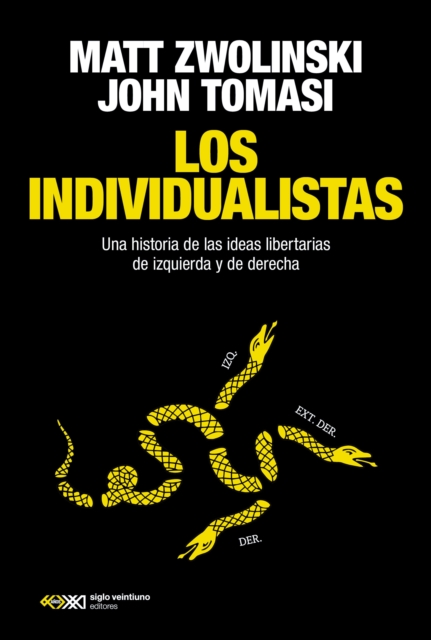
De la mano de las derechas radicales, el pensamiento libertario se hizo un lugar en el sentido común global, y nombres como Murray Rothbard, Ayn Rand o Milton Friedman –antes reservados a especialistas y militantes– se han convertido en referencias corrientes.
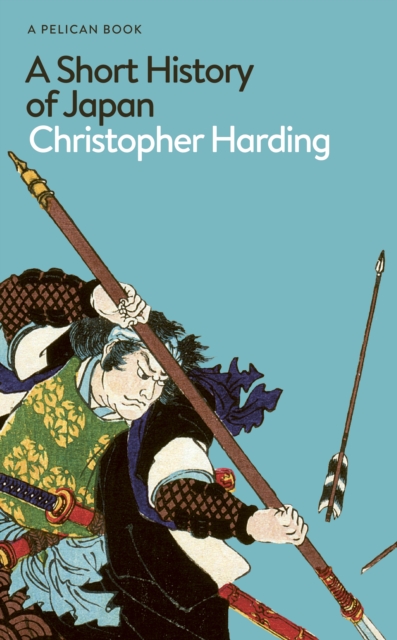
'A history that somehow manages to be at once succinct and sweeping: essential reading for anyone interested in this most fascinating of countries' - Tom Holland'The perfect introduction to [Japan's] intriguing society is Christopher Harding s lively new A Short History of Japan.
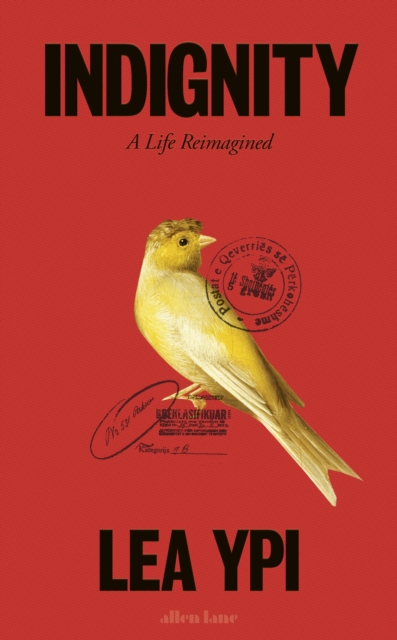
*Longlisted for the 2026 Women s Prize for Non-Fiction* A magical literary feat and one of the most touching books I ve read this year Stuart Jeffries, Spectator Full of politics and reportage Full of ideas.
Why elites always rule democraciesand why recognizing that reality can help us respond to the crisis of democracy todayA central paradox of democracies is that they are always ruled by elites.
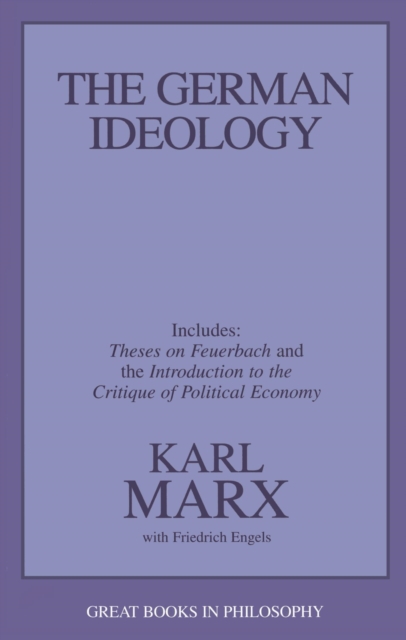
Nearly two years before his powerful Communist Manifesto, Marx (1818-1883) co-wrote The German Ideology in 1845 with friend and collaborator Friedrich Engels expounding a new political worldview, including positions on materialism, labor, production, alienation, the expansion of capitalism, class conflict, revolution, and eventually communism.
Nearly two years before his powerful Communist Manifesto, Marx (1818-1883) co-wrote The German Ideology in 1845 with friend and collaborator Friedrich Engels expounding a new political worldview, including positions on materialism, labor, production, alienation, the expansion of capitalism, class conflict, revolution, and eventually communism.
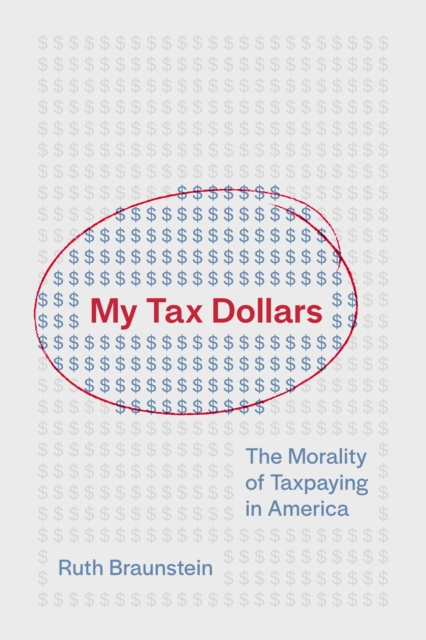
When the mundane reality of paying taxes takes on moral significanceIn My Tax Dollars, Ruth Braunstein maps the contested moral landscape in which Americans experience and make sense of the tax system.
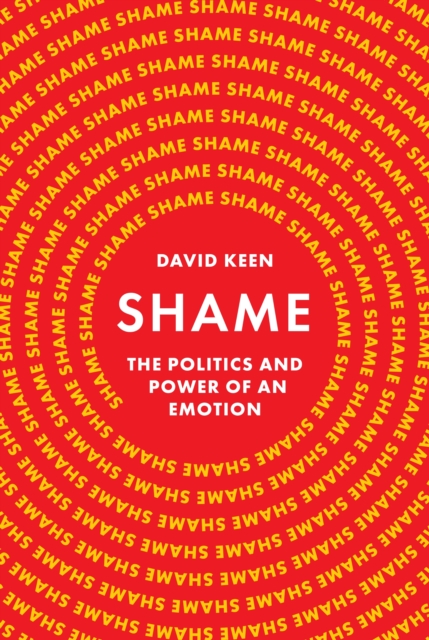
The uses of shame (and shamelessness) in spheres that range from social media and consumerism to polarized politics and mass violenceToday, we are caught in a shame spirala vortex of mutual shaming that pervades everything from politics to social media.
Why elites always rule democraciesand why recognizing that reality can help us respond to the crisis of democracy todayA central paradox of democracies is that they are always ruled by elites.
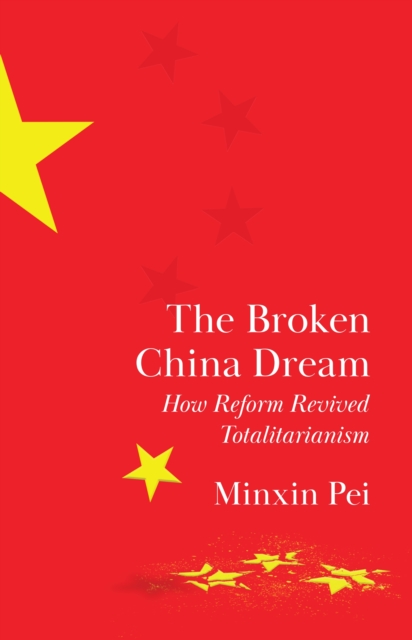
A provocative book that demystifies China's great democratic leap backward under Xi Jinping, revealing why the country's embrace of capitalism has given rise to hard authoritarianism, mass surveillance, and one-man rule instead of democracy as many in the West had hopedWhen China embarked on its transformative journey of modernization in 1979, many believed the country's turn toward capitalism would put its totalitarian past to rest and mark the birth of a democratic, open society.
How a field built on the intellectual labor and expertise of women erased them The academic field of international relations presents its own history as largely a project of elite white men.
The Central ArgumentThe failures examined in this book — the discipline's inability to anticipate the Arab Spring of 2010–11, the nomination and election of Donald Trump in 2016, the Brexit referendum of June 2016, and Russia's full-scale invasion of Ukraine in February 2022 — are not four separate embarrassments.
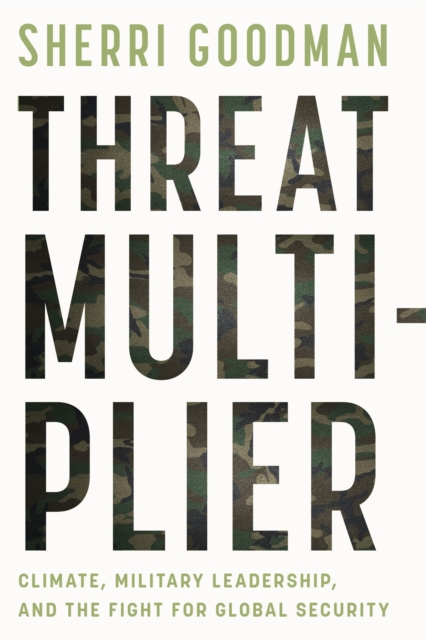
Threat Multiplier takes us onto the battlefield and inside the Pentagon to show how the US military is confronting the biggest security risk in global history: climate change.