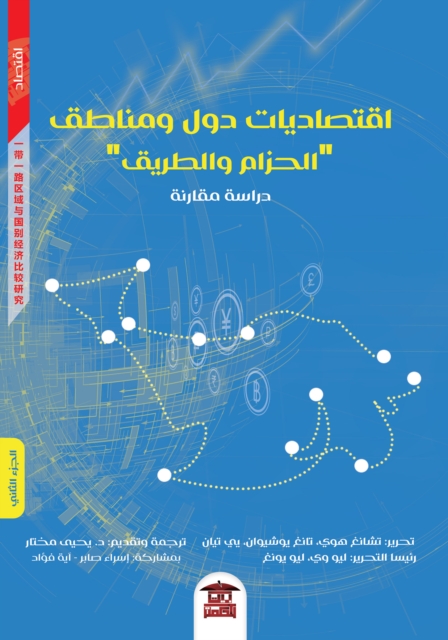
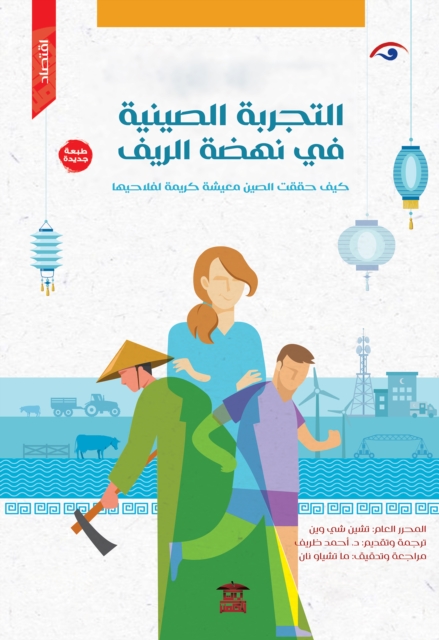
This encyclopedic book is an important reference for the economics of the countries and regions located along the "Belt and Road" initiative announced by Chinese President Xi Jinping in 2013, as it provides a comprehensive and comprehensive analysis of the economic development of the various countries and regions located along the extension of the initiative, both on land and at sea.
Nie wieder ist jetztDie Rhetorik der politischen Rechten verschiebt, überschreitet oft die Grenze des Sagbaren; sie widerspricht obendrein dem allgemeinen Konsens unserer Gesellschaft, missachtet ihn ganz bewusst.
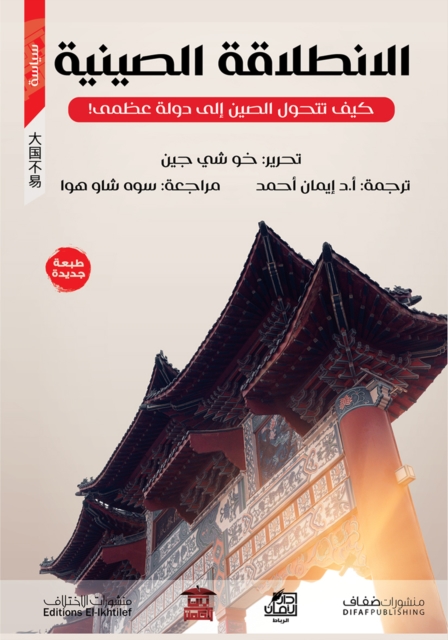
The book "The Chinese Departure" attempts to answer the question that occupies many Chinese people, and even those interested in Chinese affairs in the world, which is: Has China really become a superpower?
The book addresses a number of basic topics, including: how to ensure economic stability according to its new nature, and implement an "innovation-driven development" strategy to continue economic growth, as well as how to ensure the achievement of democracy, strengthen the building of the rule of law, and improve the socialist political system so that the people are the masters of the country.
Selbstauslöschung der Menschheit – die atomare GefahrSeitdem die Supermächte große Kernwaffenarsenale besitzen, ist die Menschheit bedroht: Wir können unsere gesamte Zivilisation in kürzester Zeit auslöschen und den Planeten in eine radioaktive Ödnis verwandeln.
Nie wieder ist jetztThomas Mann war nicht unbedingt dafür bekannt, sich politisch eindeutig zu positionieren – bis die NSDAP bei den Reichstagswahlen im September 1930 mit knapp 20 Prozent der Stimmen zweitstärkste Kraft wurde.
Dieciseis intelectuales de origen palestinos y judio de diversas latitudes han sido convocados en este libro para analizar uno de los hechos mas brutales cometidos contra poblacion civil en este siglo XXI: el genocidio del pueblo palestino.
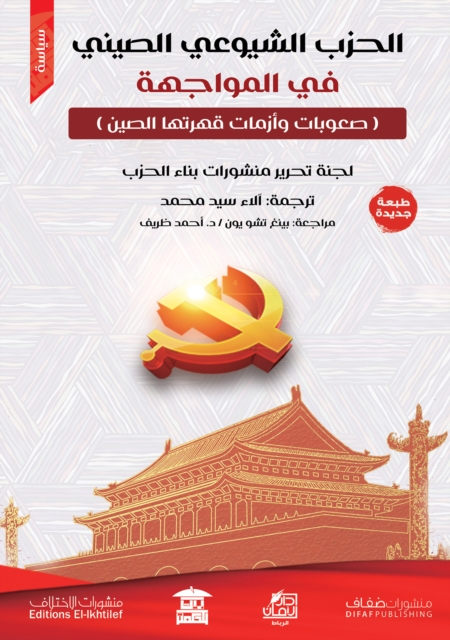
This book examines the latest developments in China and the Chinese Communist Party in the fight against corruption during the last decade, especially since the 18th National Congress of the Party.
The book presents the historical changes made by the Chinese Communist Party, and explains the mechanisms upon which it relied until it reached its current position among the countries of the world, and rose to become the second largest economy in the world.
This book deals with the concepts that greatly influenced the progress of the Chinese economy in the previous two decades, after the Chinese economy achieved a development boom at the global level and became a role model for developing countries.
To achieve this tremendous development, China has established its socialist tradition with Chinese characteristics, overcome the challenges of modernizing its political and economic system, upholding the collectivist economy under the market economy, building a public service-oriented government, people's self-government, the rule of law, fighting corruption, and solving institutional problems.
A Financial Times Summer Read 2025A BBC Radio 4 'Book of the Week'Essential reading' - The Daily Telegraph'Not just well timed but admirably powerful' - The Guardian'Packed with revealing content' - IndependentUnderdogs is a surprising journey into the heart of the misunderstood white working class.
The book addresses a number of important issues related to Chinese-European relations with regard to the Belt and Road Initiative, including measuring the extent of the European continent's response to the initiative, reviewing and analyzing the views of the European elite on it, as well as assessing the risks facing the initiative in Europe.
Mit kriminalistischer Sorgfalt rekonstruiert Othmar Plöckinger erstmals detailliert, wie aus dem Kriegsheimkehrer Adolf Hitler der Parteiführer der NSDAP und ein radikaler Antisemit wurde.
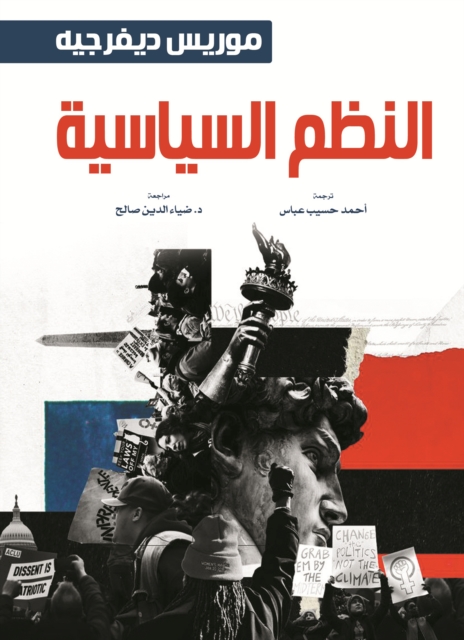
The term political system, in its broad sense, refers to the form it takes, in a particular social body, the general distinction between the rulers and the ruled.