Theoretical material is presented in close conjunction with clinical data in the form of vignettes and case studies to illustrate the key points outlined in this book, which focuses on the multidimensional approach to the understanding of childhood trauma.
This book explores how our social and economic contexts profoundly affect our mental health and wellbeing, and how modern neuroscientific and psychodynamic research can both contribute to and enrich our understanding of these wider discussions.
This book looks at the phenomenon of self-directed disgust and examines the role of self-disgust in relation to psychological experiences and potential ensuing psychopathology and to physical functioning such as disability, chronic physical health, and sexual dysfunction.
This book views the role of narcissism in analytic theory beginning with the writings of Freud and examines the conceptual changes that occurred with the development of ego psychology and object relations theory.
The influence of Andre Green on psychoanalysis has been immeasurable - his theoretical, clinical and cultural contributions have identified him as one of the most important psychoanalytic thinkers of our times.
This book reports on clinical work in, and at the boundaries of, the intermediate space between patient and therapist, perhaps the space between reaching toward dreams and taking the transference.
The latest addition to the Library of Analytical Psychology is an outstanding collection of papers written by Jungian analysts from different schools of analytical psychology on various aspects of psychopathology.
This volume in the seminal Encyclopaedia of Psychoanalysis Series is a daring reassessment of the psychoanalytic theory of phobia from numerous schools of thought.
Theoretical understanding of perversion is neglected in analytical psychology, and narrowly developed in psychoanalysis, where it traditionally refers to sexual perversion.
This book includes the development of the concept of "e;splitting"e; from both metapsychological and clinical perspectives, emphasizing the great importance of this topic for contemporary psychoanalysis.
This book, the second in the International Series of Psychosocial Perspectives on Trauma, Displaced People and Political Violence, focuses on refugee women and one of the few that limit their scope only to one group of refugees - the Kurds in Norway.
In this book, Neville Symington approaches the well-trodden subject of narcissism, offers us fresh insights from his long clinical experience with patients suffering from this disorder, and sketches some highlights in the history of the concept of narcissism.
This book offers a detailed and thorough perspective on the psychological meanings of animals to human beings and on their role in the development of the human mind and its psychopathology.
A contemporary, wide-ranging exploration of one of the most provocative topics currently under psychoanalytic investigation: the relationship of dissociation to varieties of knowing and unknowing.
This book explores the roots of borderline states of mind in early relational trauma and shows how it is possible, and necessary, to visit 'the darkest places' in order to work through these traumas.
Klein's model of projective and introjective processes and Bion's theory of the relationship between container and contained have become increasingly significant in much clinical work.
How can one overcome deeply-held resentment so as to resume or establish a bond with a traumatizing person, mindful that the experience of the self is rooted in the very intimate relationships from which such trauma arose?
An increasing number of people are seeking to develop an understanding of psychoanalytic concepts in order to apply them to the ordinary situations that they encounter as they go about their work, family and social lives.
'At last we have a book that provides a comprehensive overview and assessment of the intersubjective turn in psychoanalysis, showing its logical and clinical limitations and exploring its social and cultural determinants.
Image and sensing have been underrated in Western thought but have come into their own since the Romantic movement and have always been valued by poets and mystics.
Practitioners of psychoanalysis find three central themes to be recurrent and ubiquitous in every analysis; firstly, issues around identity, the struggle to know the self, to understand the self and to be the self in an authentic way.
This book is a shaking read, its controversial political statement putting forward the demand that readers accept the existence of conscious splitting of personality through treachery, deception, betrayal, torture, and violence.
This book takes a deeper look into the darker side of the human condition by examining the psyches of those who have been victims or survivors of heinous acts perpetrated by others.
The concept of a "e;directing object"e; is based on extensive clinical observations linked to a combination of ego psychology and object relations theory in the tradition of Otto Kernberg and Anne Marie and Joseph Sandler.
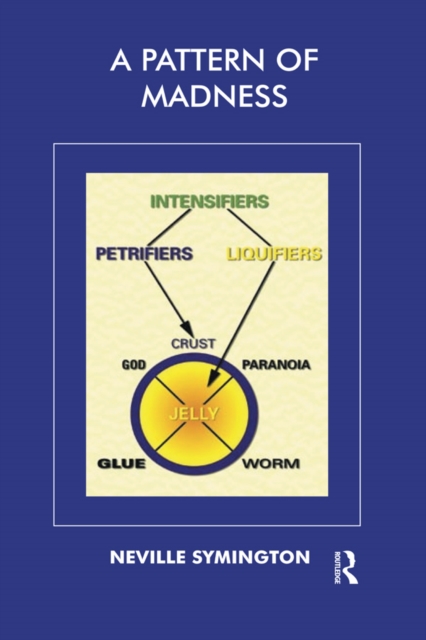
Author of many respected psychoanalytic works including Narcissism: A New Theory, Emotion and Spirit, Making of a Psychotherapist and Spirit of Sanity, the distinguished psychoanalyst Neville Symington's latest book expands, refines and deepens what has become an ever more impressive, far-reaching and absorbing inquiry into the nature of madness and sanity.