Hundreds of thousands of clinicians and graduate students have relied on this text--now significantly revised with more than 50% new material--to learn the fundamentals of cognitive behavior therapy (CBT).
Explains how cannabis can be used to treat trauma and emotional pain, as a profound problem-solving tool, and as a potent catalyst for self-transformation and ongoing healing work Shares methods to minimize the unwanted effects, such as intensified anxiety and paranoia, and direct the experience to produce deep physical relaxation and, when needed, elevated healing states Details how to blend cannabis strains for specific kinds of psychedelic experiences and how to prepare for your sessions to ensure success Despite the recent resurgence of interest in the therapeutic potential of psychedelics, Cannabis sativa as a psychedelic therapy has been completely overlooked.
Examines the therapeutic potential of expanded states, underground psychedelic psychotherapy, harm reduction, new approaches for healing individual and collective trauma, and training considerations Addresses challenging psychedelic experiences, spiritual emergencies, and the central importance of the therapeutic relationship Details the use of cannabis as a psychedelic tool, spiritual exploration with LSD, micro-dosing with Iboga, and MDMA-assisted psychotherapy for PTSD Exploring the latest developments in the flourishing field of modern psychedelic psycho-therapy, this book shares practical experiences and insights from both elders and newer research voices in the psychedelic research and clinical communities.
The answers you need to help your child survive an eating disorderYou've noticed a change in your child's eating habits and want to help, but you don't know what to say.
A practical system for those with ADHD to take back their personal power and embrace their unique talents for success in the modern world Explains how those with ADHD grow up wounded by the negative labels and attitudes surrounding them and their diagnosis Shares simple and fast-acting techniques from neurolinguistic programming (NLP) to recalibrate painful memories into valuable learning experiences, re-pattern learned behaviors and negative habits, and discover personal motivation Reveals how the novelty-seeking behaviors of those with ADHD are valuable assets to society and should be embraced rather than suppressed One of the first rules of child-rearing is condemn the behavior, not the child.
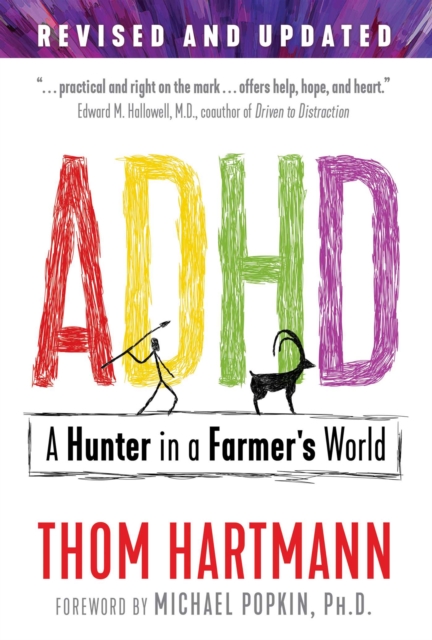
A newly revised and updated edition of the classic guide to reframing our view of ADHD and embracing its benefits Explains that people with ADHD are not disordered or dysfunctional, but simply hunters in a farmers world--possessing a unique mental skill set that would have allowed them to thrive in a hunter-gatherer society Offers concrete non-drug methods and practices to help hunters--and their parents, teachers, and managers--embrace their differences, nurture creativity, and find success in school, at work, and at home Reveals how some of the worlds most successful people can be labeled as ADHD hunters, including Benjamin Franklin, Thomas Edison, and Andrew Carnegie With 10 percent of the Western worlds children suspected of having Attention Deficit Disorder, or ADHD, and a growing number of adults self-diagnosing after decades of struggle, the question must be raised: How could Nature make such a mistake?
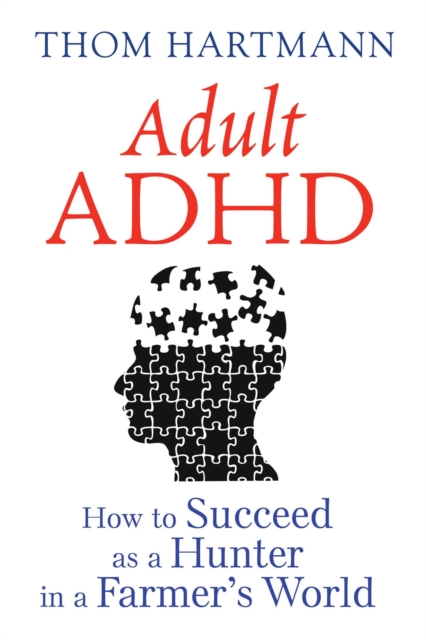
How to harness your ADHD hunter strengths to start your own business and prosper in the workplace Provides organizational strategies, tips to maintain focus, and tools to set goals, build a business plan, and discover the right project to keep you motivated Shares ADHD success stories from Fortune 500 CEOs, inventors, small business owners, and the authors own experience in launching new businesses Explains the positive side of ADHD behavior in the context of creating a business, working within an existing company, and raising children with ADHDMost people do not grow out of Attention Deficit Disorder (ADD) or Attention Deficit Hyperactivity Disorder (ADHD).
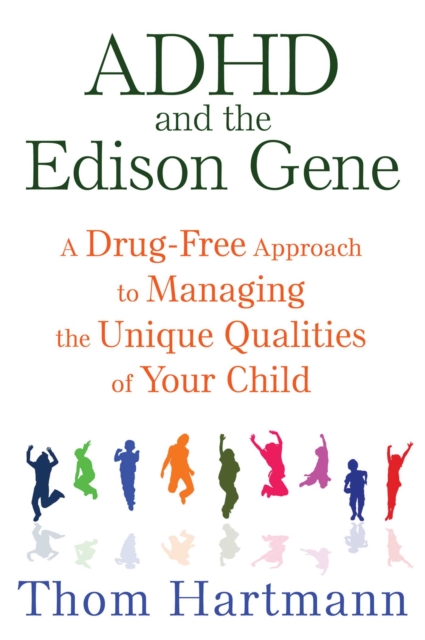
Explores how the ADHD gene is and has been critical to humanitys development Shows how artists, inventors, and innovators carry the gene necessary for the future survival of humanity Explains why children with this gene are so often mislabeled in public schools as having a disorder Offers concrete strategies for helping children reach their full potential In ADHD and the Edison Gene, Thom Hartmann shows that the creativity, impulsiveness, risk taking, distractibility, and novelty seeking that are characteristic of Attention Deficit Hyperactivity Disorder (ADHD) are not signs of a disorder at all but instead are components of a highly adaptive skill set utilized by our hunting and gathering ancestors.
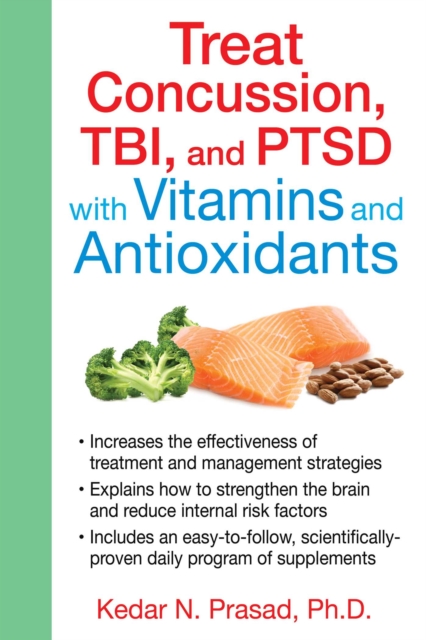
The most up-to-date resource on nutritional supplements for the prevention and improved management of concussive injury, TBI, and PTSD Provides an easy-to-follow program of supplements to optimize the benefits of treatment programs and offer a method of prevention beyond the use of helmets Shows how standard treatments do not address the oxidative stress, chronic inflammation, and high glutamate levels that promote brain injury progression Explains how single micronutrients do not provide the same preventive benefits as the synergistic combinations explored in the book The human brain is highly complex.
Ride in the back of the ambulance with Sherry Jones Mayo Share the innermost feelings of emergency services workers as they encounter trauma, tragedy, redemption, and even a little humor.
Despite growing awareness in the psychiatric community of the multifaceted medical needs of the severely mentally ill, statistics show that as much as 60% of all schizophrenia patients die prematurely from nonpsychiatric medical conditions -- in part because many physicians have not yet recognized how to properly treat common diseases and illnesses within this complex patient population.
Designed as a quick and fun read, this powerful little pocket guide helps ex-offenders jump-start their lives by re-imagining an alternative reality within their grasp -- a positive and hopeful future filled with purpose, passion, meaning, empathy, and love.
AUDIBLE EDITOR'S PICKA paradigm-shifting study of neurodivergent womenthose with ADHD, autism, synesthesia, high sensitivity, and sensory processing disorderexploring why these traits are overlooked in women and how society benefits from allowing their unique strengths to flourish.
Updated throughout and filled with all the latest research, treatment plans, commonly asked questions and more, the bestselling resource on schizophrenia is backnow in its seventh edition.
A clinical psychologists exploration of the modern dilemmas women face in the wake of new motherhood When Molly Millwood became a mother, she was fully prepared for what she would gain: an adorable baby boy; hard-won mothering skills; and a messy, chaotic, beautiful life.
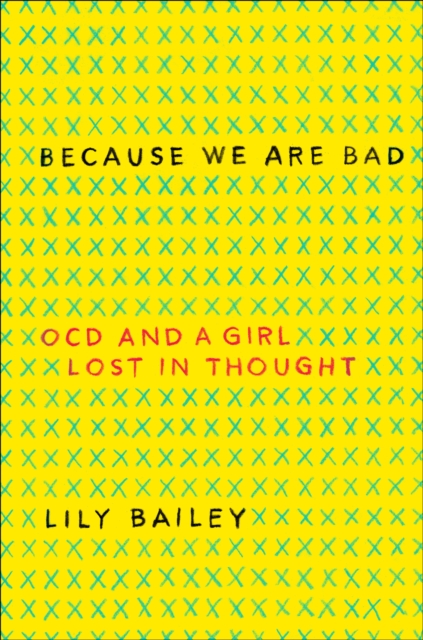
Journalist Lily Bailey's memoir Because We Are Bad reveals her childhood battle with obsessive compulsive disorder, and her hard-won journey to recovery.
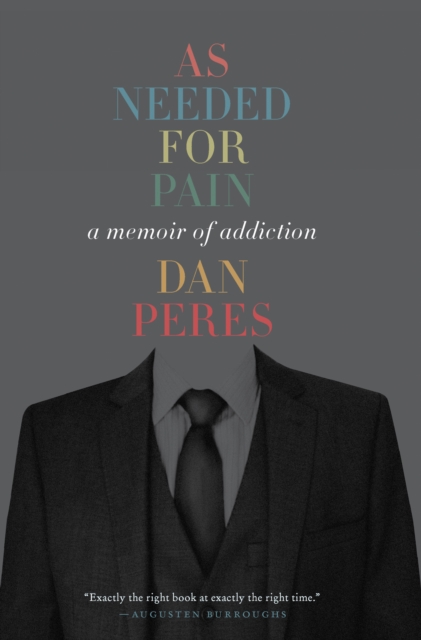
In the vein of Mary Karr's Lit, Augusten Burroughs' Dry and Sarah Hepola's Blackout, As Needed for Pain is a raw and riveting-and often wryly funny-addiction memoir from one of New York media's most accomplished editors which explores his never-before-told story of opioid addiction and the drastic impact it had on his life and career.
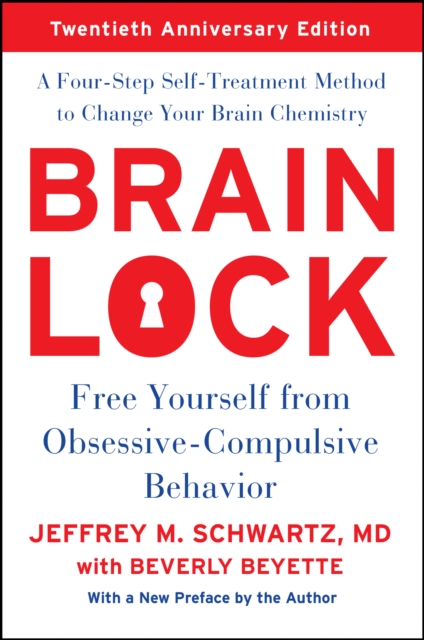
The definitive classic that has helped more than 400,000 people defeat obsessive-compulsive behavior, with all-new material from the authorAn estimated 5 million Americans suffer from obsessive-compulsive disorder (OCD) and live diminished lives in which they are compelled to obsess about something or to repeat a similar task over and over.
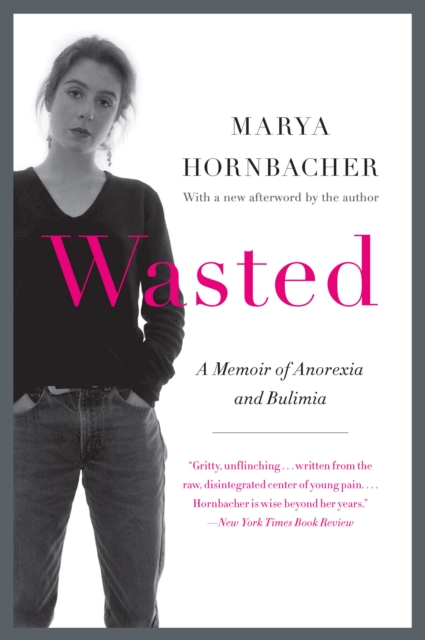
A classic of psychology and eating disorders, now reissued with an important and perhaps controversial new afterword by the author, Wasted is New York Times bestselling author Marya Hornbacher's highly acclaimed memoir that chronicles her battle with anorexia and bulimia.
From two-time National Book Award nominee Melissa Fay Greene comes a profound and surprising account of dogs on the front lines of rescuing both children and adults from the trenches of grief, emotional, physical, and cognitive disability, and post-traumatic stress disorder.
'A riveting ride through your own brain' - Adam Grant, New York Times bestselling author of OriginalsWINNER of the Society for Personality and Social Psychology's book prize for 'The Promotion of Social and Personality Science'If humans are fundamentally good, why do we engage in acts of great cruelty?
'If you care about the length and quality of your life but can't stomach yet another diet or workout routine, this book is for you' - Adam Grant, New York Times bestselling author 'Finally, a lifestyle book that transcends diet and exercise for solutions for living longer' - Dan Buettner, National Geographic Fellow and New York Times bestselling author A smart, research-driven case for why optimism, kindness and strong social networks will help us live to 100.
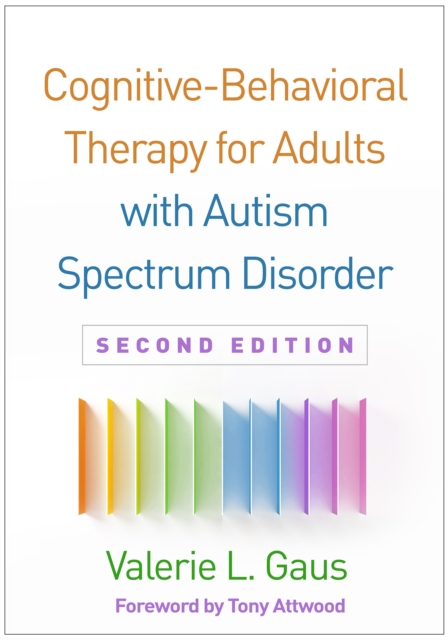
Now revised and expanded, this is the leading resource for psychotherapists working with adults who have autism spectrum disorder (ASD) without significant cognitive and language impairments (also known as Asperger syndrome).
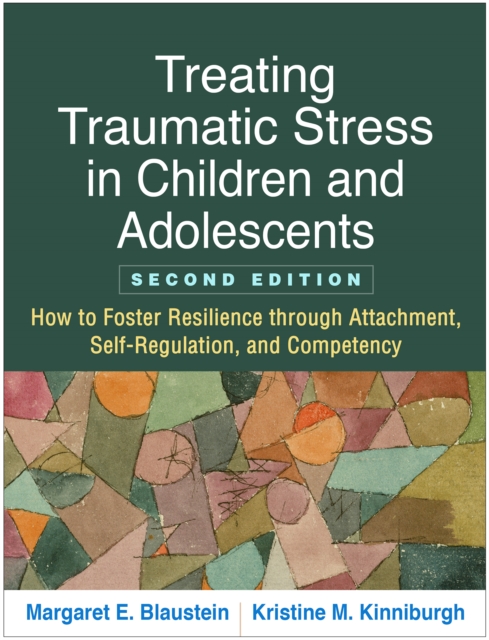
Tens of thousands of clinicians have used this book--now revised and expanded with 50% new material--to plan and organize effective interventions for children and adolescents who have experienced complex trauma.
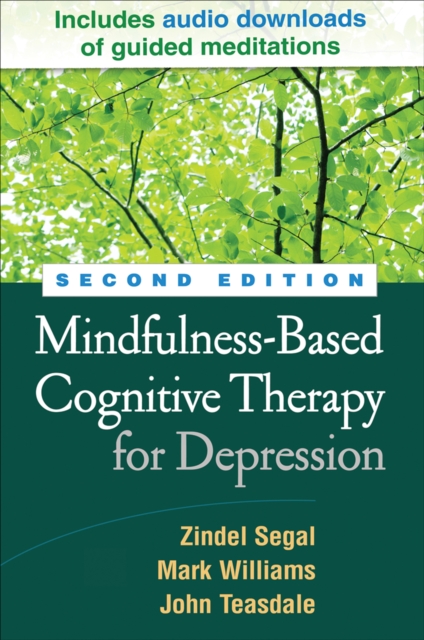
This acclaimed work has introduced tens of thousands of clinicians to mindfulness-based cognitive therapy (MBCT) for depression, an 8-week program with proven effectiveness.
Thousands of clinicians and students have turned to this casebook--now completely revised with 90% new material--to see what cognitive-behavioral therapy (CBT) looks like in action with the most frequently encountered child and adolescent disorders.