The past two decades have seen a rapidly growing involvement of psychologists and psychiatrists in legal proceedings for criminal cases, divorces, and traffic and industrial accidents.
As one of the most hotly debated topics of the past decade, false memory has attracted the interest of researchers and practitioners in many of psychology's subdisciplines.
As one of the most hotly debated topics of the past decade, false memory has attracted the interest of researchers and practitioners in many of psychology's subdisciplines.
Psychologists are under increasing pressure to demonstrate the ecological validity of their assessment procedures--to show that the recommendations concluding their evaluations are relevant to urgent concerns in the legal and social policy arenas, such as predicting dangerousness, awarding compensation, and choosing a custodial parent.
Psychologists are under increasing pressure to demonstrate the ecological validity of their assessment procedures--to show that the recommendations concluding their evaluations are relevant to urgent concerns in the legal and social policy arenas, such as predicting dangerousness, awarding compensation, and choosing a custodial parent.
There are many aspects of life which require us to distinguish between memories of different events, such as deciding whether you locked the door or only intended to lock the door.
There are many aspects of life which require us to distinguish between memories of different events, such as deciding whether you locked the door or only intended to lock the door.
The Handbook of Eyewitness Psychology presents a survey of research and legal opinions from international experts on the rapidly expanding scientific literature addressing the accuracy and limitations of eyewitnesses as a source of evidence for the courts.
Clinical neuropsychologists frequently evaluate individuals within a forensic context, and therefore must address questions regarding the possible presence of reduced effort, response bias and/or malingering.
Clinical neuropsychologists frequently evaluate individuals within a forensic context, and therefore must address questions regarding the possible presence of reduced effort, response bias and/or malingering.
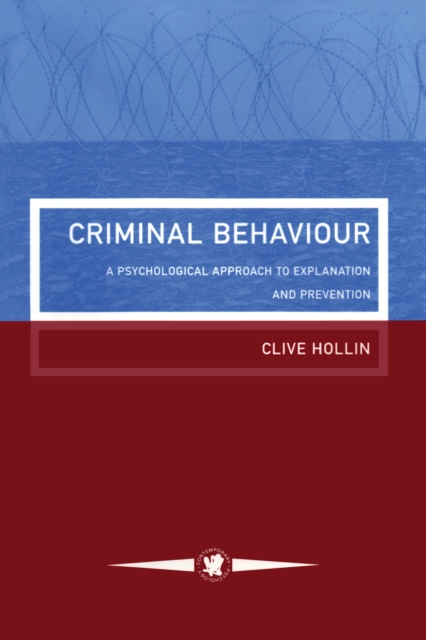
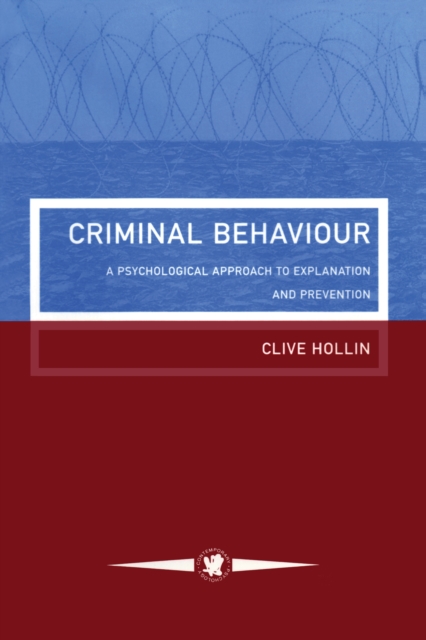
This study looks at contemporary psychological research and theory into criminal behaviour and considers the relationship between psychological and criminological theories.
This study looks at contemporary psychological research and theory into criminal behaviour and considers the relationship between psychological and criminological theories.
Children may be witnesses to crimes or accidents, or suspected victims of abuse or neglect, or they may be involved in some form of legal action such as custody cases.
Children may be witnesses to crimes or accidents, or suspected victims of abuse or neglect, or they may be involved in some form of legal action such as custody cases.
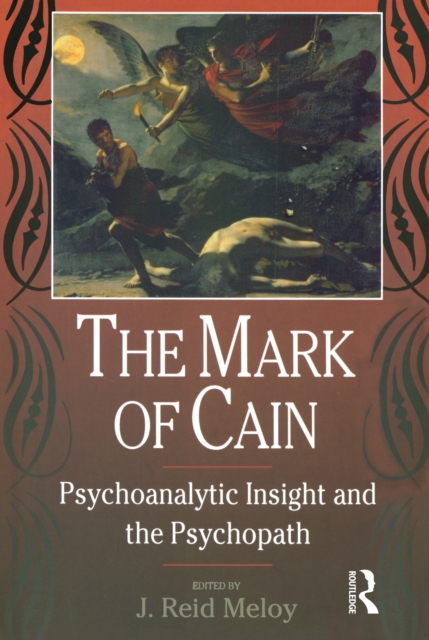
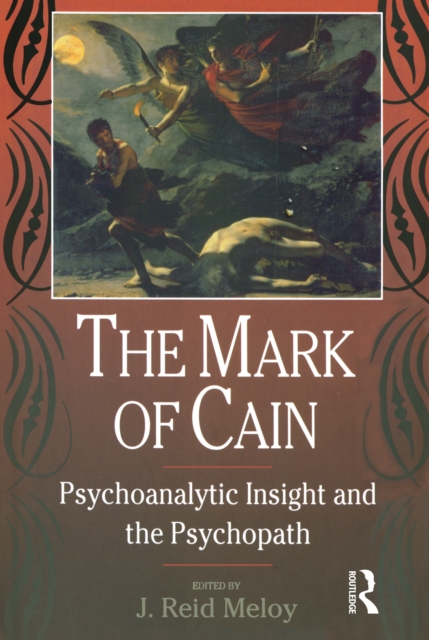
Why is it that victims of abuse so often become perpetrators, and what can psychoanalysis offer to these survivor-perpetrators, whose criminal conduct seems to transcend the possibilities of empathic psychoanalytic inquiry.
Why is it that victims of abuse so often become perpetrators, and what can psychoanalysis offer to these survivor-perpetrators, whose criminal conduct seems to transcend the possibilities of empathic psychoanalytic inquiry.
In recent years, fire-raising has become an increasing problem in Britain and elsewhere, and now involves many professionals in the investigation and management of those who set fires.
In recent years, fire-raising has become an increasing problem in Britain and elsewhere, and now involves many professionals in the investigation and management of those who set fires.
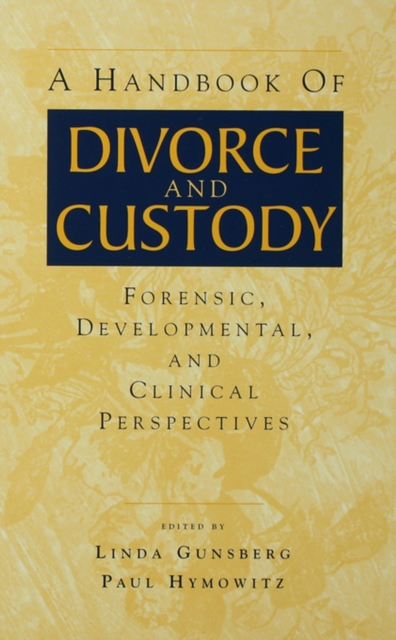
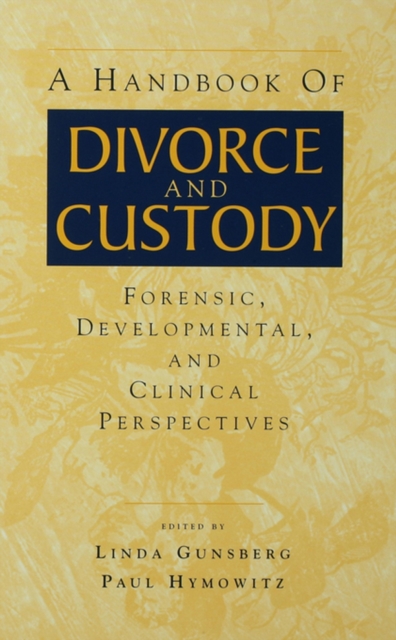
The Handbook of Divorce and Custody brings together mental health professionals and forensic specialists dedicated to working in the legal arena with families in crisis.
The Handbook of Divorce and Custody brings together mental health professionals and forensic specialists dedicated to working in the legal arena with families in crisis.
Psychology in Prisons illustrates how a knowledge of psychological principles can lead to a better understanding of the prison environment and the problems that occur within it.
Psychology in Prisons illustrates how a knowledge of psychological principles can lead to a better understanding of the prison environment and the problems that occur within it.