I questionari di valutazione sono gli strumenti più utilizzati al giorno d’oggi nel campo della medicina e delle scienze umane per valutare variabili quali la disabilità, l’altruismo o il dolore.
The new edition of this bestselling book, The Psychology of Meaning in Life, has been thoroughly updated to offer an inspiring exploration of cutting-edge findings from the psychology of meaning in life.
Leadership Coaching with Horses offers a transformative approach to leadership development, combining the intuitive power of equine-assisted learning with the precision of biometric technology and psychometric profiling.
Die Verwirrungen des Zöglings Törleß Robert Musil - Der erste Roman Musils und ein Meisterwerk der literarischen Moderne: Der Internatsschüler einer Militäranstalt, Törleß, entlarvt zusammen mit zwei anderen Kadetten einen jüngeren Schüler als Dieb.
Human, All Too Human Friedrich Nietzsche - Human, All Too Human: A Book for Free Spirits (German: Menschliches, Allzumenschliches: Ein Buch fur freie Geister) is a book by 19th-century philosopher Friedrich Nietzsche, originally published in 1878.
Die Verwandlung Franz Kafka - "Als Gregor Samsa eines Morgens aus unruhigen Träumen erwachte, fand er sich in seinem Bett zu einem ungeheuren Ungeziefer verwandelt.
Die künstlichen Paradiese Charles Baudelaire - Die Werke des französischen Dichters Charles Baudelaire (1821-1867) inspirieren bis heute Künstler auf der ganzen Welt.
The Man Who Laughs Victor Hugo - The Man Who Laughs is a romantic masterpiece of a man whose face has been disfigured into a laughing mask in childhood, the loyal blind girl who gives him her heart, and the cruelty of the privileged aristocracy whose laughing-stock and saviour he becomes.
Der Spieler Fjodor Michailowitsch Dostojews - Dramen am Spieltisch, Nervenkitzel, und ein tiefer Einblick in die psychische Dynamik des Glücksspiels sind die Gründe für den Erfolg des Bestsellers Der Spieler von Fjodor Dostojewski.
Der Wiener Entwicklungstest (WET) ist ein bewährter allgemeiner Entwicklungstest für Kinder im Alter von 3 bis 6 Jahren, der eine förderdiagnostische Erfassung der relevanten Entwicklungsbereiche ermöglicht.
Obwohl der Anteil von Menschen mit Migrationshintergrund in den letzten Jahren stark gestiegen ist, fehlte es bislang an einer systematischen Übersicht über diagnostische Verfahren für diese Zielgruppe.
In diesem anwendungsbezogenen Buch wird zum ersten Mal für die neuropsychologische Praxis der Einsatz psychometrischer und inferenzstatistischer Methoden für die differenzierte Analyse der Leistungen einzelner Probanden und Patienten in gut standardisierten und normierten Testverfahren, in orientierend normierten Verfahren und experimentellen Aufgabenstellungen vermittelt.
Die WPPSI-IV gehört zu den international weit verbreiteten Intelligenztests für die Altersgruppe der Kinder im Kindergarten- und Vorschulalter zwischen 2;6 und 7;7 Jahren und wird bei sehr unterschiedlichen Fragestellungen in der psychologischen und pädagogischen Praxis eingesetzt.
Diagnostisch tätige Psychologinnen und Psychologen stehen häufig vor einer großen Herausforderung, wie sie den je nach Fragestellung spezifischen diagnostischen Prozess gestalten sollten, um eine sachgerechte Empfehlung im Sinne eines Maßnahmenvorschlages geben zu können.
Gerichtsverfahren nach Trennung und Scheidung von Eltern (Sorgerechts- und Umgangsrechtsverfahren) und Verfahren zum Entzug elterlicher Sorge wegen Kindeswohlgefährdung machen kindeswohlorientierte Entscheidungen notwendig, für die eine psychologische Expertise häufig unabdingbar ist.
In diesem Band werden theoretische Grundlagen und aktuelle Befunde zu Narzissmus, Machiavellismus und subklinischer Psychopathie am Arbeitsplatz ebenso wie komplexe Fragen zur Struktur der Dunklen Triade und ihren Messmethoden für eine praktische Nutzung verständlich aufbereitet.
Die WISC-V gehört zu den international am weitesten verbreiteten Intelligenztests für die Altersgruppe der Kinder und Jugendlichen zwischen 6;0 bis 16;11 Jahren und wird bei sehr unterschiedlichen Fragestellungen in der psychologischen Praxis eingesetzt.
Essverhalten ist komplex und weist viele verschiedene Facetten auf, die auf dem Kontinuum von gesundem zu gestörtem Essverhalten interindividuell sehr unterschiedlich ausgeprägt sein können.
Die WPPSI-IV gehört zu den international weit verbreiteten Intelligenztests für die Altersgruppe der Kinder im Kindergarten- und Vorschulalter zwischen 2;6 und 7;7 Jahren und wird bei sehr unterschiedlichen Fragestellungen in der psychologischen und pädagogischen Praxis eingesetzt.
Diagnostisch tätige Psychologinnen und Psychologen stehen häufig vor einer großen Herausforderung, wie sie den je nach Fragestellung spezifischen diagnostischen Prozess gestalten sollten, um eine sachgerechte Empfehlung im Sinne eines Maßnahmenvorschlages geben zu können.
Gerichtsverfahren nach Trennung und Scheidung von Eltern (Sorgerechts- und Umgangsrechtsverfahren) und Verfahren zum Entzug elterlicher Sorge wegen Kindeswohlgefährdung machen kindeswohlorientierte Entscheidungen notwendig, für die eine psychologische Expertise häufig unabdingbar ist.
In diesem Band werden theoretische Grundlagen und aktuelle Befunde zu Narzissmus, Machiavellismus und subklinischer Psychopathie am Arbeitsplatz ebenso wie komplexe Fragen zur Struktur der Dunklen Triade und ihren Messmethoden für eine praktische Nutzung verständlich aufbereitet.
Die WISC-V gehört zu den international am weitesten verbreiteten Intelligenztests für die Altersgruppe der Kinder und Jugendlichen zwischen 6;0 bis 16;11 Jahren und wird bei sehr unterschiedlichen Fragestellungen in der psychologischen Praxis eingesetzt.
Essverhalten ist komplex und weist viele verschiedene Facetten auf, die auf dem Kontinuum von gesundem zu gestörtem Essverhalten interindividuell sehr unterschiedlich ausgeprägt sein können.
Der Wiener Entwicklungstest (WET) ist ein bewährter allgemeiner Entwicklungstest für Kinder im Alter von 3 bis 6 Jahren, der eine förderdiagnostische Erfassung der relevanten Entwicklungsbereiche ermöglicht.
Obwohl der Anteil von Menschen mit Migrationshintergrund in den letzten Jahren stark gestiegen ist, fehlte es bislang an einer systematischen Übersicht über diagnostische Verfahren für diese Zielgruppe.
In diesem anwendungsbezogenen Buch wird zum ersten Mal für die neuropsychologische Praxis der Einsatz psychometrischer und inferenzstatistischer Methoden für die differenzierte Analyse der Leistungen einzelner Probanden und Patienten in gut standardisierten und normierten Testverfahren, in orientierend normierten Verfahren und experimentellen Aufgabenstellungen vermittelt.
The Recovery-Stress Questionnaires (RESTQs) identifies the current recovery-stress states and provides a complete picture of the actual extent of stress and recovery.
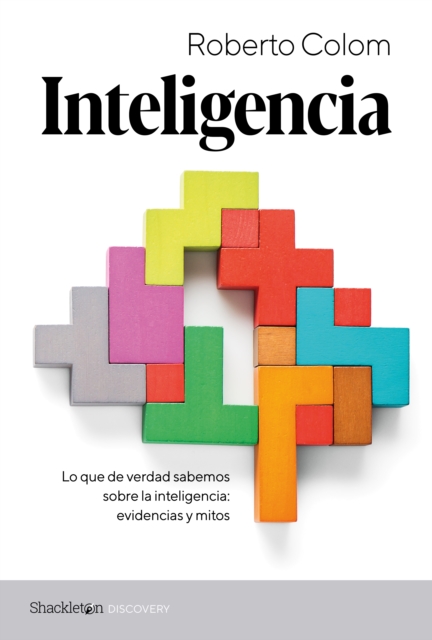
Roberto Colom, uno de los mayores especialistas mundiales en inteligencia, nos descubre lo que la ciencia sabe sobre esta capacidad, a la vez que desmonta los mitos que la rodean.