With contributions from leading European and American psychoanalysts, this innovative text systematically investigates and analyses the relationship between clinical practice and psychoanalytic theories.
The Making of Psychohistory is the first volume dedicated to the history of psychohistory, an amalgam of psychology, history, and related social sciences.
The Making of Psychohistory is the first volume dedicated to the history of psychohistory, an amalgam of psychology, history, and related social sciences.
Distinguished contributors provide an overview of three generations of psychoanalytic theory, including the work of Freud, Horney, Winnicott, and Kristeva, and discuss the evolution of psychoanalytic thought as it relates to the role that religion plays in modern culture.
Distinguished contributors provide an overview of three generations of psychoanalytic theory, including the work of Freud, Horney, Winnicott, and Kristeva, and discuss the evolution of psychoanalytic thought as it relates to the role that religion plays in modern culture.
Wilfred Bion's theories of dreaming, of the analytic situation, of reality and everyday life, and even of the contact between the body and the mind offer very different, and highly fruitful, perspectives on lived experience.
Process Facilitation in Psychoanalysis, Psychotherapy and Social Work elaborates a differential theory of therapeutic engagement with full reference not only to psychoanalysis and to psychotherapy but also - surprisingly - to social work.
Process Facilitation in Psychoanalysis, Psychotherapy and Social Work elaborates a differential theory of therapeutic engagement with full reference not only to psychoanalysis and to psychotherapy but also - surprisingly - to social work.
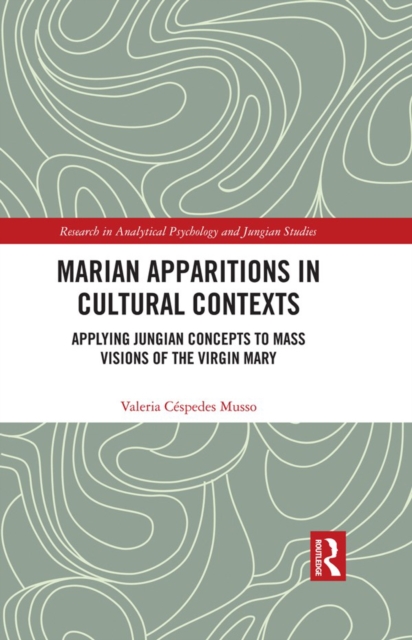
Marian Apparitions in Cultural Contexts provides an analysis of collective phenomena, specifically mass visions of the Virgin Mary, from a psychoanalytical perspective.
Marian Apparitions in Cultural Contexts provides an analysis of collective phenomena, specifically mass visions of the Virgin Mary, from a psychoanalytical perspective.
The superego is one of those psychoanalytic concepts that has been assimilated into ordinary language, like repression, the unconscious and the Oedipus complex.
This book contains a collection of articles on social psychology, the psychology of terror and violence, psychoanalytic psychotherapy, and the history of psychoanalysis.
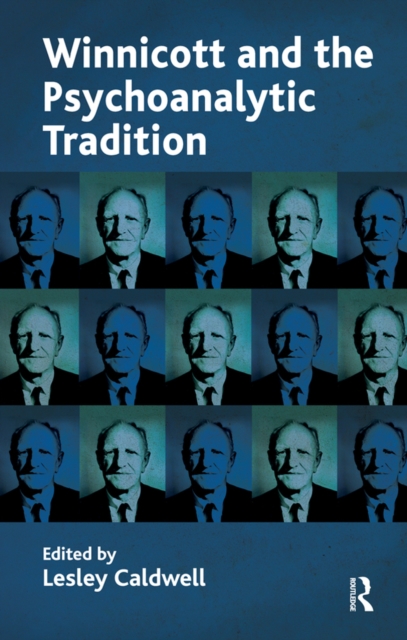
This book presents an in-depth, wide-ranging and rigorous investigation of Winnicott's central theory of maturational processes and its interrelation with psychic disorders.
This book focuses on two themes: the first theme is the true self and the resonance of Winnicott's thinking with the contributions of other major psychoanalysts of the past half century; the second theme emerges from the first: the pursuit of authenticity, whether by patient or analyst.
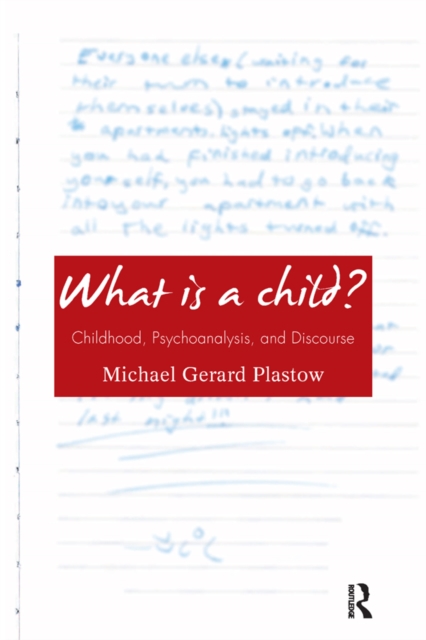
The book outlines theories of child development from the point of view of the kinds of relationships children make with adults and the effects of their relationships on their learning.
This book unravels the different notions of time and history that are implicit in the history of child psychoanalysis and in the clinical approach to childhood.
Unrepressed Unconscious, Implicit Memory, and Clinical Work analyses the psychological and neurobiological characteristics of what nowadays goes under the name of "e;unrepressed unconscious"e;, as opposed to Freud's earlier version of a kind of "e;repressed unconscious"e; encountered and described initially in his work with hysterical patients.
Understanding Religion and Spirituality in Clinical Practice is a volume in the clinical practice monograph series from the Society of Analytical Psychology.
Treating the 'Untreatable' offers the hope of recovery, healing and cure for the most severe psychotic disturbances, schizophrenia and delusional disorder.
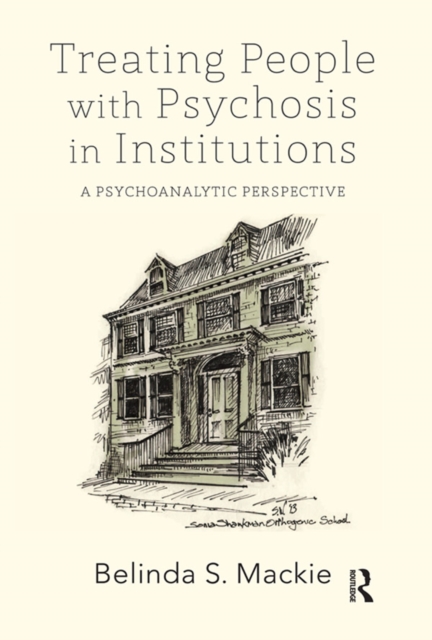
This book focuses on the priority that psychoanalysis places on the individual, how the treatment is conceived theoretically and the ways it can be incorporated in the overall organisation of an institution.
This collection of papers focuses on the interaction of maturation phases and special traumas in the first few years of life and the probable effect of these early patterns on the structure of the later personality.
This remarkable collection of papers is divided into three sections: clinical issues; psychoanalysis and the life cycle; and underlying theories of practice.
The concern with time permeates Freud's work, from Studies on Hysteria to Analysis Terminable and Interminable, which point out to a network of concepts that indicate Freud's complex theories on temporality.
In 1947, the author founded the Library of Psychoanalysis and Clinical Psychology at Presses Universitaires de France, and forty-two volumes have appeared, by French and foreign authors, nine of them works or reprints of articles by Freud.
It is a well known that the Wolf-Man was the subject of what James Strachey described as 'the most elaborate and no doubt the most important of all Freud's case histories'.
This book is an exploration of contemporary understanding from philosophy, neuroscience, psychoanalysis, and metaphysical studies, which seem to verify the value of the Epicurean sentiments in terms of the wisdom of lived experience.
Understanding the psychodynamics of groups has derived from the two separate strands of theory and practice, resulting in two separate disciplines: group psychotherapy and group dynamics.
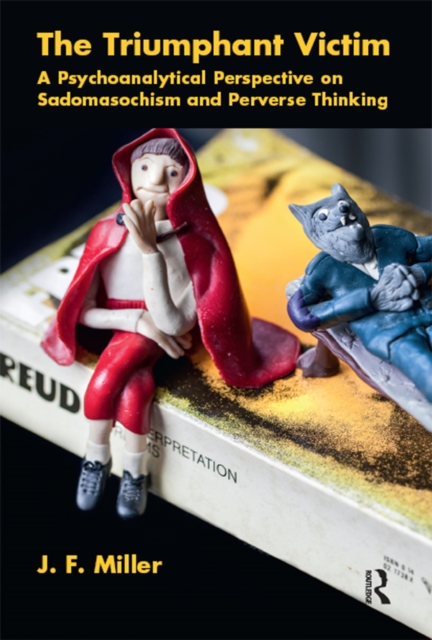
This book examines the unrecognised prevalence of sadomasochism and perverse thinking in personal relationships as well as the public domain, and discusses the way it contributes to the culture of the victim.
The chapters in this volume cover a wide range of topics that concentrate around four themes: transitional change in therapeutic communities; in working conferences for professional development or training; in organisation consulting with an emphasis on organisational learning; and in self studies of working systems in action.
This book represents a synthesis of more than thirty years dedicated to the spreading and teaching of transactional analysis, and will be useful to students, directors and professors of the schools of transactional analysis, and also to therapists of other schools, providing an up-to-date and complete idea of the current state of the analytic transactional methodology.
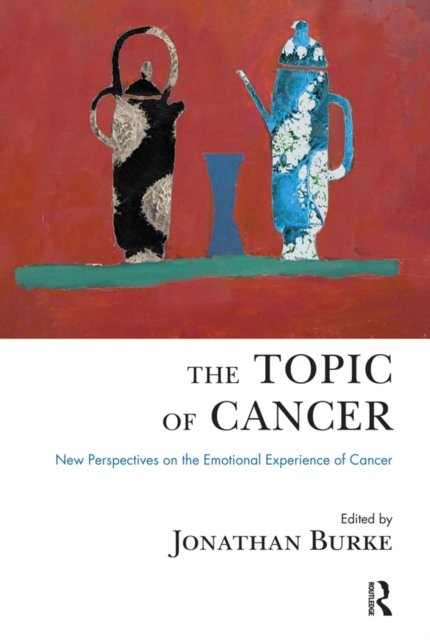
This book focuses on our emotional responses to cancer by offering a range of perspectives: psychoanalytic, medical, spiritual and religious, as well as literary.