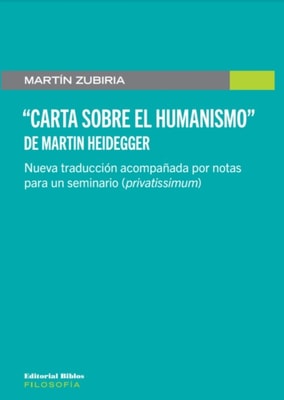
Por el vasto, vastísimo alcance de los pensamientos formulados por Heidegger en este texto crucial de la Modernidad radical (Moderne), aparecido en la estela de la Segunda Guerra Mundial; por la fuerza con que ahonda en su visión de una historia que no es sino la de la metafísica y en la necesidad de preparar un nuevo comienzo para el pensar, atento menos a la literatura que al "cuidado de la letra"; por la tajante claridad con que señala los límites del existencialismo francés (Sartre) y la vanidad de toda ética pretendidamente autárquica; y no en último lugar, por la concentración ejemplar con que el autor conduce de principio a cabo su discurso; por todas estas razones, la "Carta sobre el Humanismo" merece ser leída con la atenta solicitud que reclama un diálogo platónico y a la vez con la circunspección y la delicadeza con que debemos acercarnos a un texto poético.
Within this book, Gray argues that moments of profound existential importance are given to us in the presence of Art, and that such moments are important motivators in our personal, civic, and moral lives.
Within this book, Gray argues that moments of profound existential importance are given to us in the presence of Art, and that such moments are important motivators in our personal, civic, and moral lives.
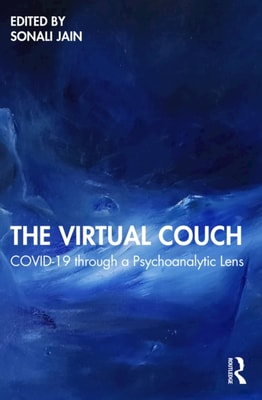
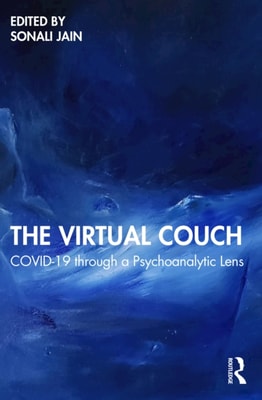
This book is one of the first systematic examinations on the looming mental health crisis emerging from the COVID-19 pandemic from a psychoanalytic perspective.
This book is one of the first systematic examinations on the looming mental health crisis emerging from the COVID-19 pandemic from a psychoanalytic perspective.
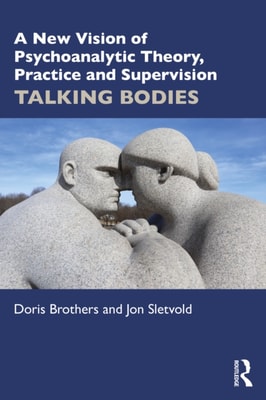
By viewing psychoanalysis through the lens of embodiment, Brothers and Sletvold suggest a shift away from traditional concept-based theory and offer new ways to understand traumatic experiences, to describe the therapeutic exchange and to enhance the supervisory process.
By viewing psychoanalysis through the lens of embodiment, Brothers and Sletvold suggest a shift away from traditional concept-based theory and offer new ways to understand traumatic experiences, to describe the therapeutic exchange and to enhance the supervisory process.
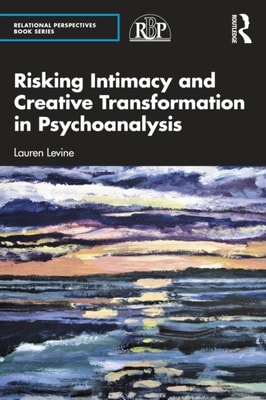
In this compelling book, Lauren Levine explores the transformative power of stories and storytelling in psychoanalysis to heal psychic wounds and create shared symbolic meaning and coherence out of ungrieved loss and trauma.
This important book provides a concise introduction to Melanie Klein and the key concepts and theories she founded, outlining their application to psychoanalytic technique, and explaining how her ideas have been further developed.
In this compelling book, Lauren Levine explores the transformative power of stories and storytelling in psychoanalysis to heal psychic wounds and create shared symbolic meaning and coherence out of ungrieved loss and trauma.
This important book provides a concise introduction to Melanie Klein and the key concepts and theories she founded, outlining their application to psychoanalytic technique, and explaining how her ideas have been further developed.
El libro es una contribución al estudio de la figura de Teresa de Jesús, al psicoanálisis de la religión y a la historia de la espiritualidad cristiana.
Los cinco escritos que aquí se presentan son una apuesta a la integración de prácticas: la psicoterapia de fundamentación psicoanalítica con la "Medicina tradicional indígena amazónica"; y más específicamente: el uso del psicoactivo natural de origen vegetal Ayahuasca, en el contexto de la terapia psicoanalítica.
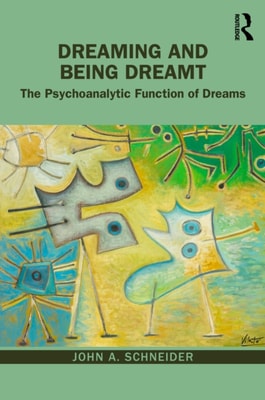
In Dreaming and Being Dreamt, John Schneider illustrates the central concept of all emotional functioning: that we are most alive in our dreaming, and that it is dreaming that brings us to life.
In Dreaming and Being Dreamt, John Schneider illustrates the central concept of all emotional functioning: that we are most alive in our dreaming, and that it is dreaming that brings us to life.
"Todo lo que deseamos es que un investigador nos diga por qué ese joven que está sentado en la fila A está firmemente absorbido por los sonidos musicales que escucha, mientras que su novia, poco o nada extrae de ellos.
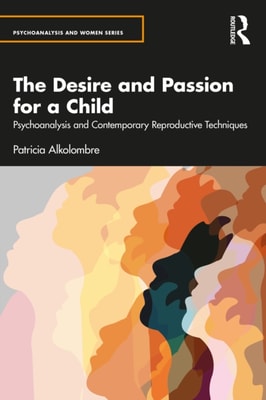
In this book, Patricia Alkolombre explores the desire for a child from a contemporary psychoanalytic perspective, and covers the questions raised in the face of new resources offered by reproductive medicine.
Desire, Pain and Thought presents a new perspective on primal erotogenic masochism, which Marilia Aisenstein regards as the core of psychoanalytic theory.
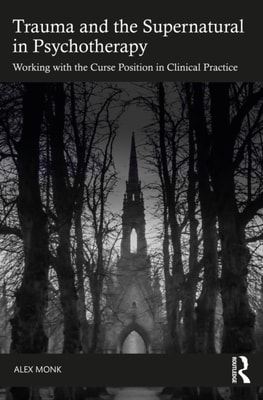
Trauma and the Supernatural in Psychotherapy explores how traumatic experience interacts with unconscious phantasy based in folklore, the supernatural, and the occult.
Desire, Pain and Thought presents a new perspective on primal erotogenic masochism, which Marilia Aisenstein regards as the core of psychoanalytic theory.
Trauma and the Supernatural in Psychotherapy explores how traumatic experience interacts with unconscious phantasy based in folklore, the supernatural, and the occult.
Geschlechter - ein hochaktuelles Thema, das viele Fragen aufwirft: Wie verstehen wir heute "Geschlechtsidentität "und wie sind Genderthemen in die Psychotherapieausbildung integriert?
Geschlechter - ein hochaktuelles Thema, das viele Fragen aufwirft: Wie verstehen wir heute "Geschlechtsidentität "und wie sind Genderthemen in die Psychotherapieausbildung integriert?
El odio y la clínica psicoanalítica actual es un libro que como lo indica su nombre, establece su campo de exploración de entrada, como si se tratara de un pie forzado en un verso, una décima o un poema, la palabra "odio" será acompañada por distintos conceptos que hacen parte de la "clínica psicoanalítica".
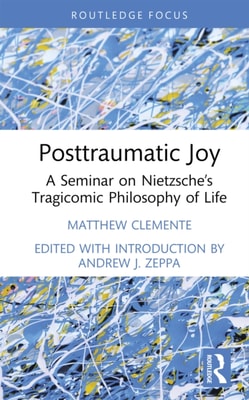
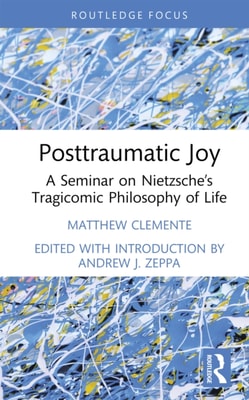
Posttraumatic Joy presents the major themes and ideas of Nietzsche's corpus from a continental and psychoanalytic perspective with a particular bent toward how they might illuminate ways of coping with and living beyond trauma and suffering.
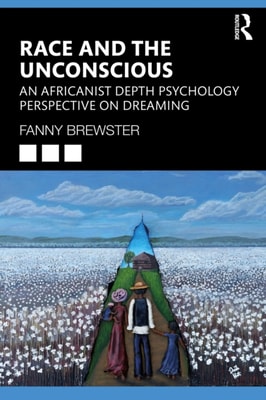
Race and the Unconscious engages the archetypal African consciousness that enriches our knowledge regarding the foundational mythopoetic of Africanist dreaming.
Melanie Klein's Narrative of an Adult Analysis offers the first detailed account of Melanie Klein's work with an adult patient, Mr B, which spanned the years 1934 to 1949.
Reading with Muriel Dimen/Writing with Muriel Dimen: Experiments in Theorizing a Field is a collection of reading and writing experiments inspired by the late feminist psychoanalyst Muriel Dimen.
Posttraumatic Joy presents the major themes and ideas of Nietzsche's corpus from a continental and psychoanalytic perspective with a particular bent toward how they might illuminate ways of coping with and living beyond trauma and suffering.
Melanie Klein's Narrative of an Adult Analysis offers the first detailed account of Melanie Klein's work with an adult patient, Mr B, which spanned the years 1934 to 1949.
Reading with Muriel Dimen/Writing with Muriel Dimen: Experiments in Theorizing a Field is a collection of reading and writing experiments inspired by the late feminist psychoanalyst Muriel Dimen.
Race and the Unconscious engages the archetypal African consciousness that enriches our knowledge regarding the foundational mythopoetic of Africanist dreaming.