Named one of 22 new booksthat you should consider reading before the year is out by FortuneThis practical and empathetic guide to taking the high road is worth a look for workers lost in conflict.
Named one of 10 Best New Management Books for 2022 by Thinkers50Named to the shortlist for the 2021 Outstanding Works of Literature (OWL) Award in the Management & Culture CategoryIn this important and timely book, workplace well-being expert Jennifer Moss helps leaders and individuals prevent burnout and create healthier, happier, and more productive workplaces.
Named the Best Management Book of 2021 by strategy+businessNamed one of this month's top titles in the Financial Times in September 2021Named to the longlist for the 2021 Outstanding Works of Literature (OWL) Award in the Management & Culture categoryA plan for conquering collaborative overload to drive performance and innovation, reduce burnout, and enhance well-being.
A guide to rewilding your heart, so you can undomesticate your life*; Explores 13 principles of unconditional love for addressing the trauma of domestication, healing relationships, and restoring deep connection to the inner guidance of your wild soul*; Explains the nature of trauma from the perspective of emotional development*; Provides experiential practices for the cultivation of authentic relationships that are free of exploitation and codependencyHOW CAN WE RECLAIM our wild soul and approach life with authenticity and emotional maturity?
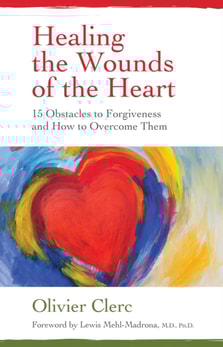
An exploration of the life-changing power of forgiving*; Discusses 15 perceived obstacles to forgiveness and how to overcome them*; Details four different methods of forgiveness: the Hawaiian practice of Ho'oponopono, Colin Tipping's Radical Forgiveness, Fred Luskin's Nine Steps to Forgiveness, and the author's own Gift of Forgiveness*; Shares inspiring testimonies and stories from around the world, revealing how forgiveness helps stop a spiral of destruction, cleanses the heart, and leads to relief, freedom, and inner peaceCan Everything Be Forgiven?
Learn how to increase your emotional intelligence with five simple toolsIt's no secret that emotional intelligence plays a crucial role in your relationships.
If you are living with, are close to, or are yourself someone who is hoarding, you'll know that the disorder goes far deeper than most people realise, affecting the whole family and presenting huge challenges to the physical, mental, emotional and even financial wellbeing of anyone involved.
In a series of essays that explore the notion of what brings significance to our existences, clarifying why we have this longing beyond the present moment and an insatiable dissatisfaction with where we are, scholar Frank Martela tackles the subject of finding meaning in life.
A clinical psychologists exploration of the modern dilemmas women face in the wake of new motherhood When Molly Millwood became a mother, she was fully prepared for what she would gain: an adorable baby boy; hard-won mothering skills; and a messy, chaotic, beautiful life.
Inspired by the website that the New York Times hailed as "e;redefining mourning,"e; this book is a fresh and irreverent examination into navigating grief and resilience in the age of social media, offering comfort and community for coping with the mess of loss through candid original essays from a variety of voices, accompanied by gorgeous two-color illustrations and wry infographics.
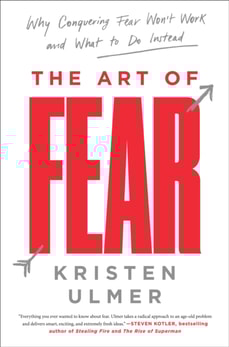
The former professional extreme skier "e;unpacks this misunderstood emotion and lays out strategies for experiencing fear in an empowering way"e; (Parade).
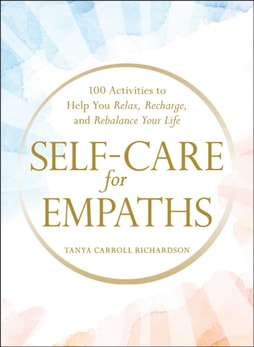
Balance your unique emotional and energetic sensitivitiesand avoid taking on other people's feelingswith these 100 practical activities, rituals, and quizzes, designed specifically for empaths everywhere!
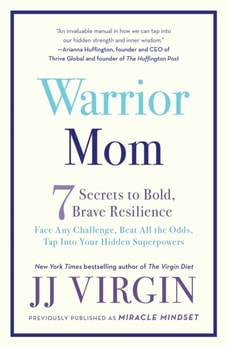
Inside every mother is a fierce, resilient, intuitive woman who has the ability to tap into an indomitable mindset and create heroic outcomesfor her children, her family, her community and for herselfshe is a Warrior Mom.
A GUARDIAN BOOK OF THE YEAR'Revelatory, necessary and brilliant' Candice Carty-Williams | 'A must read' Robin DiAngelo | 'A powerful wake-up call' Patrick Vernon | 'An incisive and important book that will change the way you think' Nikesh Shukla | 'An unmissable read for everyone' Julia Samuel | 'Honest, razor-sharp, fascinating and impressive' The Psychologist | 'Groundbreaking' Bad Form____________________________________________________________ For the past 15 years, radical psychologist and therapist Guilaine Kinouani has helped hundreds of Black people to protect their mental and physical health from the harm of white supremacy.
Of the 200,000 years homo sapiens has been wandering this planet, this has to be the most absurd and challenging time to be a man How can you hunt and gather in an open-plan office?