The diverse historical, cultural, and physiological influences that determine sexual orientation are the focus of this fascinating work by one of the foremost investigators of human sexuality.
Over the last two decades, a rich, diverse, yet sometimes contradictory body of research has been gathered under the general rubric of "e;psychology of women.
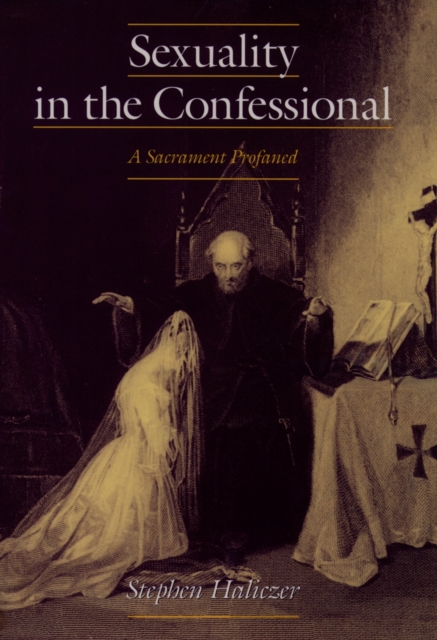
In Sexuality in the Confessional: A Sacrament Profaned, Stephen Haliczer places the current debate on sex, celibacy, and the Catholic Church in a historical context by drawing upon a wealth of actual case studies and trial evidence to document how, from 1530 to 1819, sexual transgression attended the heightened significance of the Sacrament of Penance.
Adam Parkes investigates the literary and cultural implications of the censorship encountered by several modern novelists in the early twentieth century.
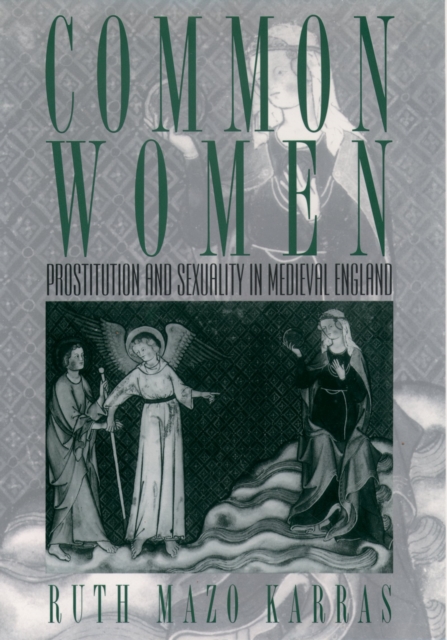
Through a sensitive use of a wide variety of imaginative and didactic texts, Ruth Karras shows that while prostitutes as individuals were marginalized within medieval culture, prostitution as an institution was central to the medieval understanding of what it meant to be a woman.
Queer Correctives explores Christian discourses of sex and sexuality in Singapore to argue that metanoia, the theological concept of spiritual transformation, can be read as a form of neo-homophobia that coaxes change in the queer individual.
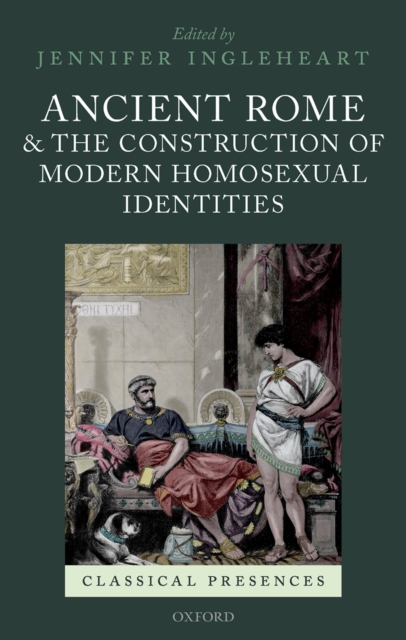
Much has been written about the contribution of ancient Greece to modern discourses of homosexuality, but Rome's significant role has been largely overlooked.
Transnational films that represent intimacy and inequality produce new experiences that result in the displacement of the universal spectator, in a redefinition of the power of cinema for today's global audiences.
Transnational films that represent intimacy and inequality produce new experiences that result in the displacement of the universal spectator, in a redefinition of the power of cinema for today's global audiences.
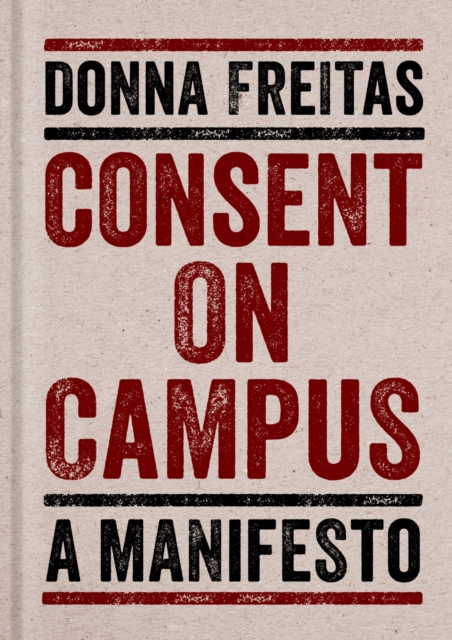
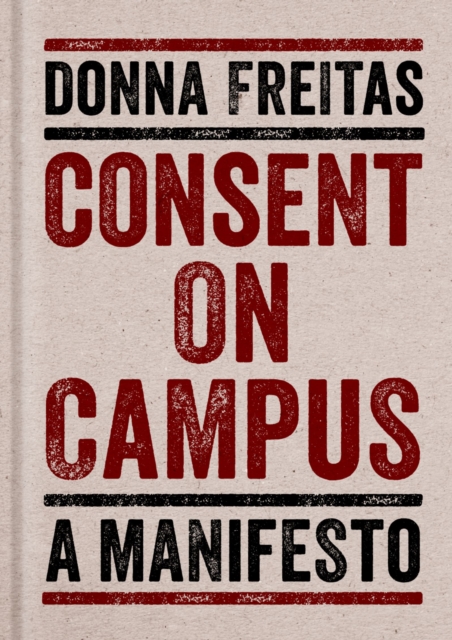
A 2015 survey of twenty-seven elite colleges found that twenty-three percent of respondents reported personal experiences of sexual misconduct on their campuses.
A 2015 survey of twenty-seven elite colleges found that twenty-three percent of respondents reported personal experiences of sexual misconduct on their campuses.
Moving beyond the boundaries of HIV scholarship, Modernizing Sexuality shows how Western idealizations of normative sexuality and the power of modernity intersect in U.
Moving beyond the boundaries of HIV scholarship, Modernizing Sexuality shows how Western idealizations of normative sexuality and the power of modernity intersect in U.
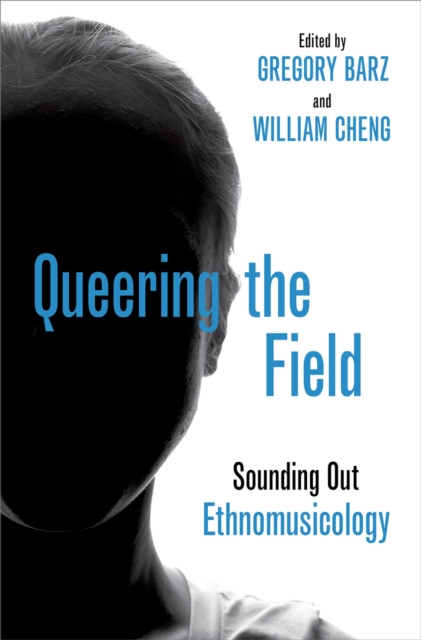
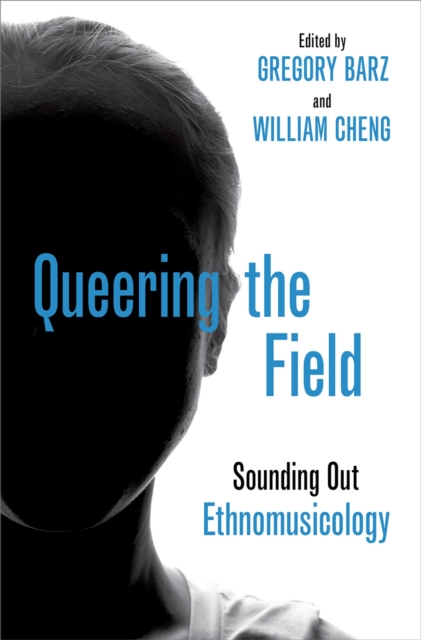
Drawing on ethnographic research and often deeply personal experiences with musical cultures, Queering the Field: Sounding out Ethnomusicology unpacks a history of sentiment that veils the treatment of queer music and identity within the field of ethnomusicology.
Drawing on ethnographic research and often deeply personal experiences with musical cultures, Queering the Field: Sounding out Ethnomusicology unpacks a history of sentiment that veils the treatment of queer music and identity within the field of ethnomusicology.
Through a sensitive use of a wide variety of imaginative and didactic texts, Ruth Karras shows that while prostitutes as individuals were marginalized within medieval culture, prostitution as an institution was central to the medieval understanding of what it meant to be a woman.
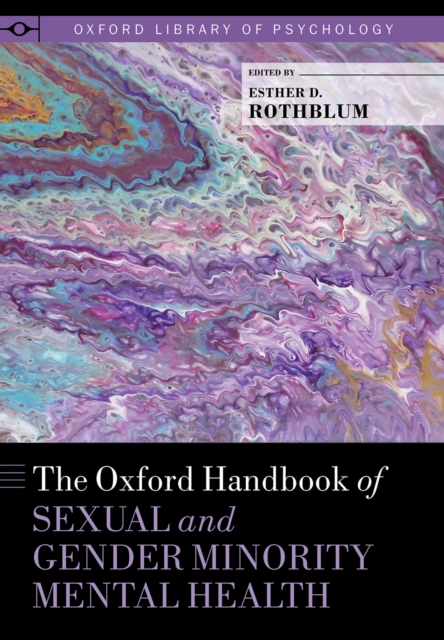
The Oxford Handbook of Sexual and Gender Minority Mental Health provides a comprehensive and authoritative review of research on the mental health of sexual minorities-defined as those who identify as lesbian, gay, bisexual, queer, or same-gender attracted; as well as the mental health of gender minorities-defined as individuals who do not fully identify with their sex assigned at birth, including people who are transgender or gender non-binary.
The Oxford Handbook of Sexual and Gender Minority Mental Health provides a comprehensive and authoritative review of research on the mental health of sexual minorities-defined as those who identify as lesbian, gay, bisexual, queer, or same-gender attracted; as well as the mental health of gender minorities-defined as individuals who do not fully identify with their sex assigned at birth, including people who are transgender or gender non-binary.
'Bristles with provocative insights into the tangled liaisons of sex and self' Times Higher EducationIn the third volume of his acclaimed examination of sexuality in modern Western society, Foucault investigates the Golden Age of Rome to reveal a decisive break from the classical Greek version of sexual pleasure.
'No brief survey can do justice to the richness, complexity and detail of Foucault's discussion' New York Review of BooksThe second volume of Michel Foucault's pioneering analysis of the changing nature of desire explores how sexuality was perceived in classical Greek culture.
'A brilliant display of fireworks, attacking the widespread and banal notion that "e;in the beginning"e; sexual activity was guilt-free and delicious, being repressed and blighted only by the gloom of Victorianism' Spectator We talk about sex more and more, but are we more liberated?
The second edition of this acclaimed guide to understanding sexuality and working with clients on sexuality issues is extensively updated to reflect recent scientific, practical, and social developments in the field.
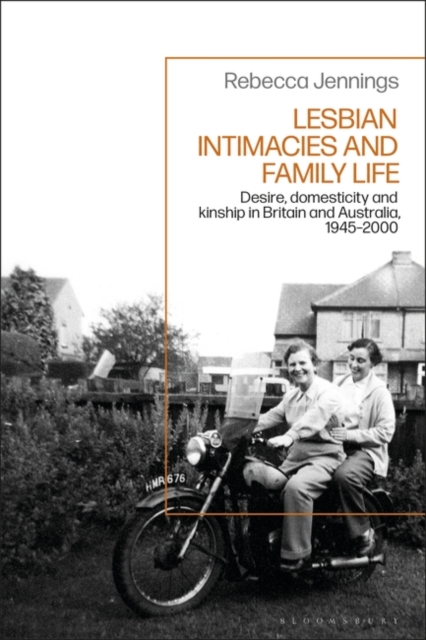
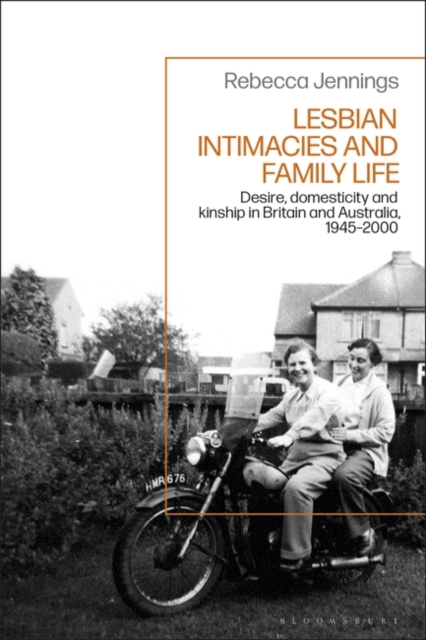
Focusing on patterns of intimacy, this book traces the historical roots of parenting practices and familial patterns constructed by lesbians and same-sex attracted women living in Britain and Australia between 1945 and 2000.
Focusing on patterns of intimacy, this book traces the historical roots of parenting practices and familial patterns constructed by lesbians and same-sex attracted women living in Britain and Australia between 1945 and 2000.