A recent wave of research in psychiatry and neuroscience has re-examined the properties of "e;classic"e; psychedelic substances - also known as serotonergic hallucinogens - such as psilocybin, LSD, and DMT.
A recent wave of research in psychiatry and neuroscience has re-examined the properties of "e;classic"e; psychedelic substances - also known as serotonergic hallucinogens - such as psilocybin, LSD, and DMT.
The term 'Implicit Learning' refers to the way in which knowledge of fairly complex, patterned material can be acquired without any conscious effort to learn it and with little to no awareness of what has been learned.
The term 'Implicit Learning' refers to the way in which knowledge of fairly complex, patterned material can be acquired without any conscious effort to learn it and with little to no awareness of what has been learned.
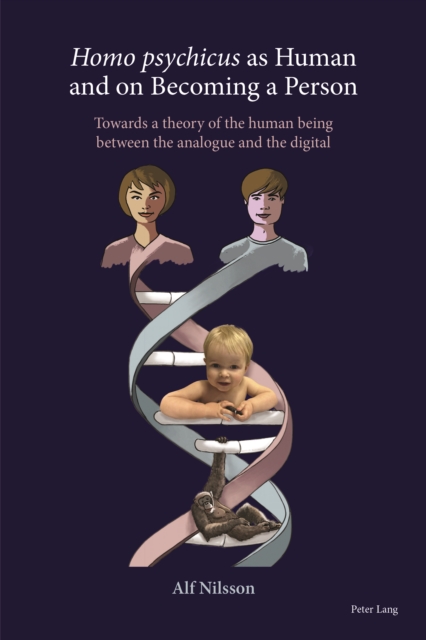
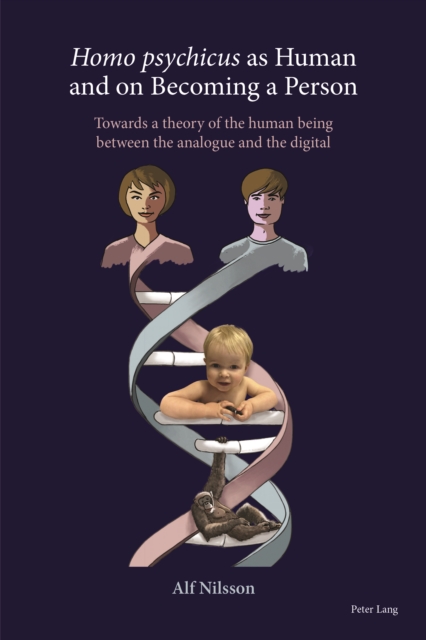
This book is about unifying, in one and the same theory, the human being, Homo psychicus, both as an affective/internal presentation being and an operative, cognitive being.
This book is about unifying, in one and the same theory, the human being, Homo psychicus, both as an affective/internal presentation being and an operative, cognitive being.
This groundbreaking volume examines our sometimes strained grasp of reality and sheds new light on three subject areas that continue to fascinate researchers: religion, hypnosis and psychopathology.
Profesional de la adivinación o mántica, y más concretamente de la oniromancia o adivinación por los sueños, en el siglo II, Artemidoro de Éfeso -o de Daldis, como él prefería decirse- es autor del más extenso y célebre tratado que nos ha llegado acerca de esta materia.
Ninguna teoría acerca del funcionamiento y estructura de la mente ha ejercido tanta influencia ni ha adquirido un estatus tan preponderante como la doctrina psicoanalítica, cuyas categorías y explicaciones no tardaron en convertirse en núcleo de un modo radicalmente nuevo de entender la realidad psíquica que ha marcado el mundo moderno.
Ninguna teoría acerca del funcionamiento y estructura de la mente ha ejercido tanta influencia ni ha adquirido un estatus tan preponderante como la doctrina psicoanalítica, cuyas categorías y explicaciones no tardaron en convertirse en núcleo de un modo radicalmente nuevo de entender la realidad psíquica que ha marcado el mundo moderno.
New York Times best-selling author offers a groundbreaking approach to activate the subconscious brain to set yourself free from your past and create a terrific future.
An authoritative, illuminating, and deeply humane history of addiction - a phenomenon that remains baffling and deeply misunderstood despite having touched countless lives - by an addiction psychiatrist striving to understand his own family and himself.
The topic of self-knowledge has been central to philosophy since antiquity--but if self-knowledge deserves to be not just a goal that each of us should privately pursue, but a topic that philosophers should investigate in general terms, on what basis does it claim our attention?
A landmark account of the evolution of consciousness by one of the twentieth century's leading Jungian psychologistsThis book draws on a full range of world mythology to show how individual consciousness undergoes the same archetypal stages of development as human consciousness as a whole.
A landmark account of the evolution of consciousness by one of the twentieth century's leading Jungian psychologistsThis book draws on a full range of world mythology to show how individual consciousness undergoes the same archetypal stages of development as human consciousness as a whole.
Evolutionary psychology explains why some mental illnesses developed, but to answer questions about how to improve our mental well-being in the face of these challenges--how the mind works to heal itself-we should look to more recent changes in mentality.
Evolutionary psychology explains why some mental illnesses developed, but to answer questions about how to improve our mental well-being in the face of these challenges--how the mind works to heal itself-we should look to more recent changes in mentality.
The capacity to represent and think about time, and the capacity to recollect the past are two of the most fundamental and least understood aspects of human cognition and consciousness.