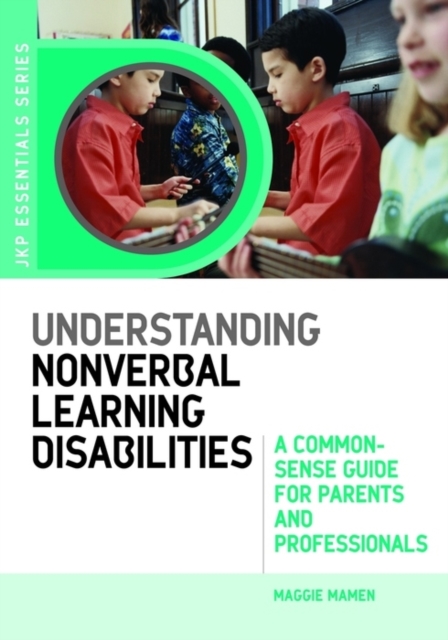
This easy-to-read guide offers a complete overview of Nonverbal Learning Disabilities (NLDs) and the wide variety of symptoms that different types of NLD present.
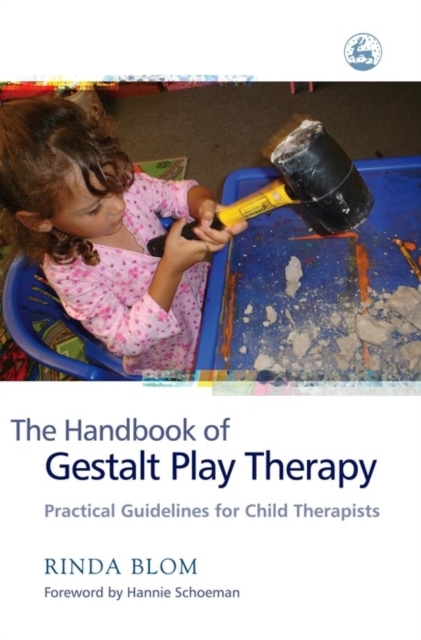
This book sets out a clear theoretical framework for Gestalt Play Therapy, giving examples of questions the therapists might ask the child at certain stages, and offering the whole gamut of play therapy and travelling through the therapeutic journey.
Kelly Harland's stories explore her son's life to the age of 14, and the new and unexpected universe she and her husband - both professional musicians - must learn to navigate with him.
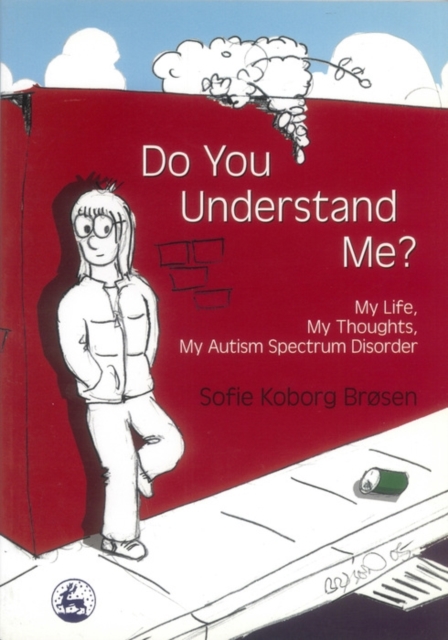
Sofie Koborg Brosen is eleven years old and, like other children of her age, goes to a mainstream school, loves reading comics and being with her family and her cat, Teddy.
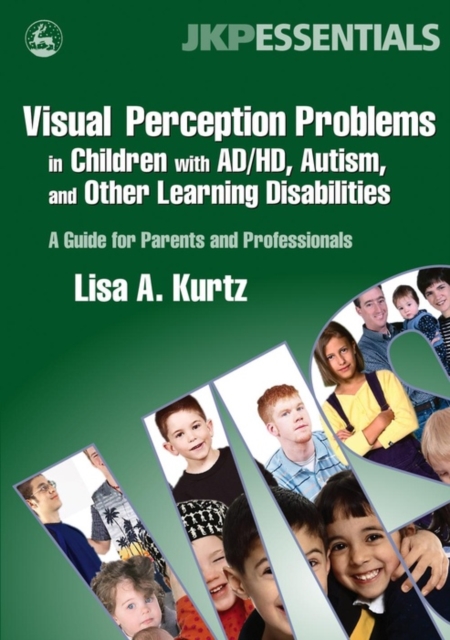
This book provides a comprehensive overview of vision problems in children with developmental disabilities such as AD/HD, autism spectrum disorders, and specific learning disabilities.
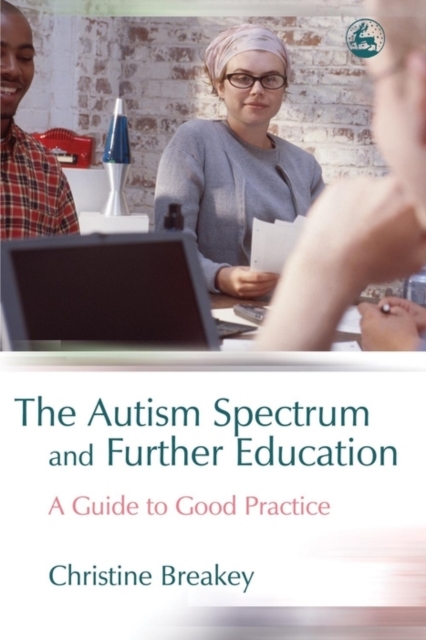
This guide for professionals working with students with autism spectrum conditions (ASCs) in further education meets the increasing demand for information and support on this subject.
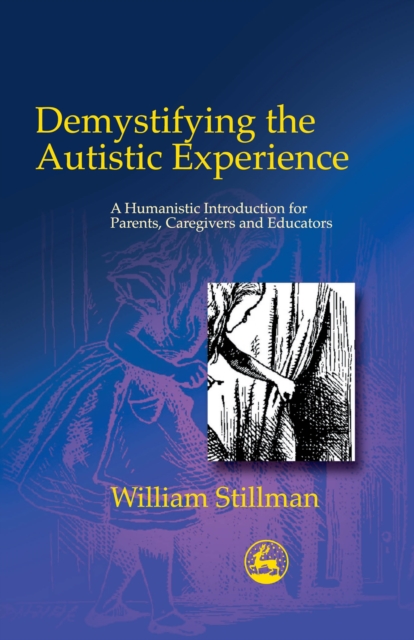
Parents, caregivers and educators are often at a loss about how best to support an individual with autism because they are overwhelmed by 'behaviours', inundated with prognoses and clinical jargon, or confused by technical information.
Disorganized children' may display a range of behaviours symptomatic of, for example, ADHD, autism and conduct disorders, but they often fail to meet all the criteria for a clear diagnosis.
Understanding 4-5-year-olds gives a thoughtful overview of the challenges that children face as they gradually move away from a strong attachment to their families and turn towards the wider world of school and life outside the family.
Understanding the roots of anger and encouraging appropriate and acceptable ways of expressing this are essential skills for anyone working with young people.
This book has contributions, largely related to group analysis, from an international selection of well-known group analysts, psychologists, psychiatrists and academics.
How psychology explains why a leader is willing to use military force to protect or salvage reputationIn Who Fights for Reputation, Keren Yarhi-Milo provides an original framework, based on insights from psychology, to explain why some political leaders are more willing to use military force to defend their reputation than others.
This excellent, informative and well presented, a book provides the reader with fourteen edited chapters covering an area of policy and practice that is quite specific but will inform anyone interested in the development of a service user participation ethos in adult social care.
This volume offers a comprehensive, up-to-date synopsis of fathering and father-child relationships in diverse regions of the world, helping students and practitioners alike understand cultural variations in male parenting.
Progress made with children with conduct disorder in specialist schools often does not transfer to the home, but this book shows how behavioural parent training and applied behaviour analysis can help professionals work with parents to continue improving their child's behaviour.
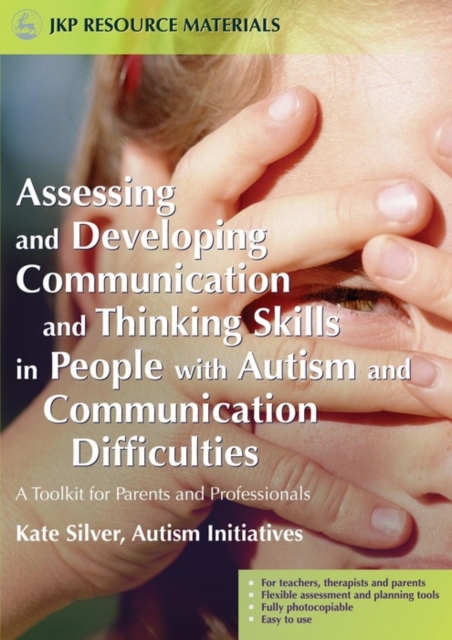
This fully photocopiable resource offers a flexible framework for the assessment and measurement of the communication skills of children with autistic spectrum disorders (ASDs).
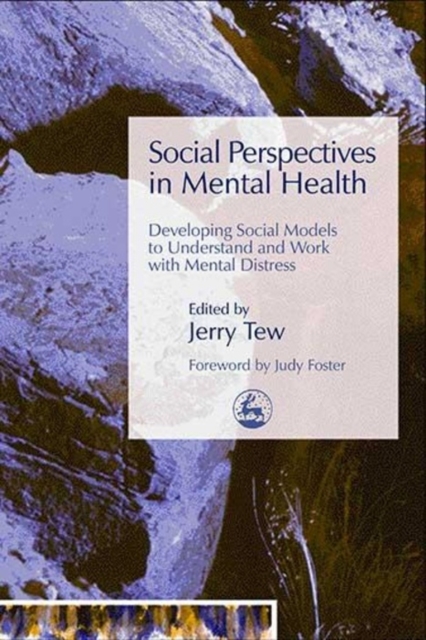
Social Perspectives in Mental Health offers new practice frameworks that help to make sense of people's mental distress and recovery in relation to their social experience.
Tom Whitman proposes a new developmental theory of autism that focuses on the diversity of characteristics associated with this disorder, and how these develop over time.
Giggle Time is a step-by-step program for parents, teachers and other professionals to help develop the non-verbal, verbal and social reciprocity skills of children with autism.
Top Business Psychology Models is a quick, accessible overview to the fundamental theories and frameworks that will help you understand human behaviour, emotions and cognition at work.
An authoritative, comprehensive, and highly accessible assessment of the happiest and least happy countries and cities in the world, as well as of the happiest and least happy cities and states in the United States.
Whilst most people are aware of the importance of keeping their bodies in good shape, it is only in recent years that there has been a widespread acceptance that the brain is stimulated by originality, thrives on challenge and needs to be exercised and trained just as much as other parts of the body.
With a style that is both detailed and accessible, this new text from Johannes Zanker provides students with a solid understanding of how our sensory and perceptual systems operate, and interact with a dynamic world.
This accessible book explores what friendship is and why it's so important to our well-being and provides practical suggestions for teens and young adults wishing to experience deeper, more fulfilling connections.
In this comprehensive three-volume set, experts from around the globe provide an understanding of child abuse knowledge and healing, detailing current therapeutic practices and policy issues.
The use and misuse of IQ tests has long been a subject of contention in the scientific and social communities, particularly because these evaluations favor intelligence at the expense of other valuable human qualities.
In this three-volume set, an international team of experts involved in the research, management, and mitigation of hate-motivated violence examines and explains hate crimes in the United States and around the globe, drawing comparisons between countries as well as between hate crimes overall and domestic terrorism.
A standout resource on the emerging field of applying neuropsychology and the latest findings in sleep and dream research to religious experience, this book investigates the proven biological links between REM dreams and religious ideas, covering past and current schools of thought in both the science of dreams and the science of religion.
This book examines the range of new theories, research, and applications in the most generative areas of positive psychology, at the dawn of a new wave of positive psychology scholarship-one that is increasingly sensitive to real-world issues, adversity, culture, and context.