How should we approach the psychological study of religion, and how relevant is classical psychoanalysis, identified with the writings of Sigmund Freud, to the understanding of religion?
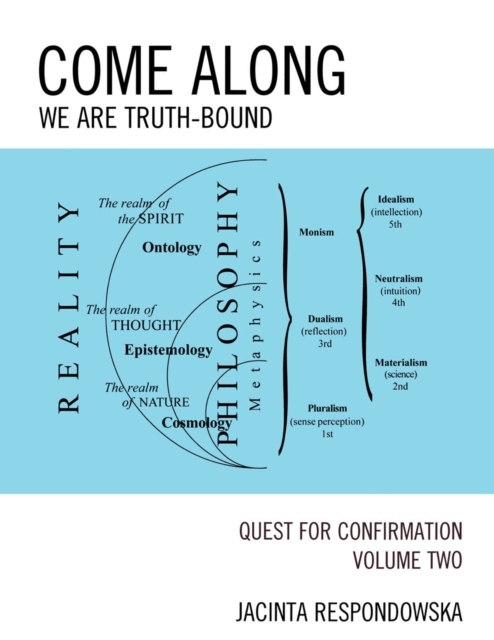
Quest for Confirmation, the second volume of the series Come Along: We Are Truth-Bound, is a cross-examination of the concepts derived in Volume One, A Dialogue and Dialectic: Bridging the Great Epistemic Divides.
"e;I have no doubt at all, that if philosophy is to prosper in the coming decades, it will have to treat with great seriousness that splendid seriousness that splendid body of philosophical writing of which the essays in this volume constitute one major part"e;.
In therapy, as in the world at large, sexuality is different from other issues because of the culturally imposed secrecy and shame that inhibit open, non-defended talk about it.
In this immensely practical manual, two leading child psychologists provide specific, down-to-earth advice for effectively handling the everyday problems of children from early childhood through adolescence.
This ground-breaking volume provides readers with both an overview of harm reduction therapy and a series of ten case studies, treated by different therapists, that vividly illustrate this treatment approach with a wide variety of clients.
Wherever contemporary therapists offer treatment, whether in social agencies or clinics, in outpatient or inpatient services, or even in private practice, they are likely to find themselves increasingly working with people whose histories are characterized by deprivation and repeated trauma-experiences that have left them feeling damaged, often short of basic trust in others, and lacking confidence in themselves.
Using data from infant observation, and child, adolescent, and adult analyses, the Novicks explicate a multidimensional, developmental theory of sadomasochism that has been recognized as a major innovation.
Separated into seven categories for easy reference, the techniques within each chapter are applied to practice situations in a concise format for easy reference and use.
Today, under pressure from managed care companies as well as from patients who are demanding briefer and more focused treatments, therapists are creatively combining cognitive and psychodynamic approaches and obtaining unprecedented therapeutic results.
This book integrates psychiatry and psychoanalysis to present deeper and sounder clinical profiles of the personality disorders than have been hitherto available.
The first in-depth psychoanalytic study of the Old and New Testaments, Beyond Yahweh and Jesus centers on God's role in enabling humans to cope with death and the anxieties it evokes.
This book applies modern object relations theory-particularly the concept of intersubjectivity as articulated by Thomas Ogden-to a population for which the "e;treatment du jour"e; is increasingly cognitive-behavioral.
Adoption is a transformational process bringing parenthood to those who long for but cannot bear children and giving stranded children home, family, and their place in the world.
Innovative and humane treatment of patients with substance use disorders distinguishes this highly esteemed practitioner and major psychodynamic thinker.
This book is a study of time, particularly of the nature of subjective time-that is, time as subjectively experienced and lived in contrast with time as measured objectively as, for example, by a clock.
This book addresses the issues that child and adolescent therapists struggle with the most-how to meaningfully engage and create conditions for transformative change with children and teens who are unwilling participants at the outset and who regard any allowed influence by the therapist to be a competitive defeat.
The New Personality Self -portrait is the only guide to personality types based on the American Psychiatric Association''s just-published official diagnostic system -- the DSM -IV -- and written by one of today''s leading personality researchers.
Established psychoanalytic/psychodynamic researchers and theorists bring the exploration of prejudice to a new level by examining how psychoanalysis might elucidate strategies that will eliminate prejudice.
This book explores the private thoughts of the therapist in response to the patient's inner expressions and how each affects the other over the course of treatment.