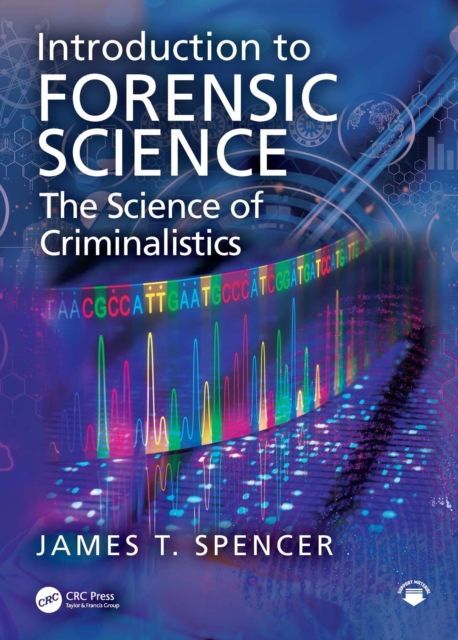
Forensic science is often important in criminal cases, so criminal justice professionals, including lawyers and forensic scene investigators, must have a basic understanding of what is often complex science.
Tradecraft is a term used within the intelligence community to describe the methods, practices, and techniques used in espionage and clandestine investigations.
As drug trafficking and the abuse of illicit drugs continue to inflict untold harm upon our society, it is clear that a global initiative and an intense domestic strategy are vital to address the sophisticated drug trafficking organizations (DTOs) that are prevalent in many regions.
Bringing a unique rural lens to the analysis of dark tourism in Australia, this book covers a range of sites including convict museums, sites of serial killings and colonial violence, ghost tours and the emerging tourism of bushfire sites.
Every year, esteemed scholars and practitioners meet at the International Police Executive Symposium to discuss contemporary issues in policing and share ideas about effective strategies in their jurisdictions.
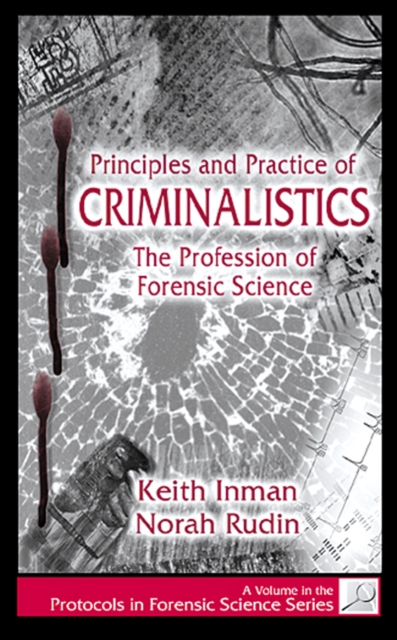
Expanding on ideas proposed by leading thinkers throughout the history of forensic science, Principles and Practice of Criminalistics: The Profession of Forensic Science outlines a logical framework for the examination of physical evidence in a criminalistics laboratory.
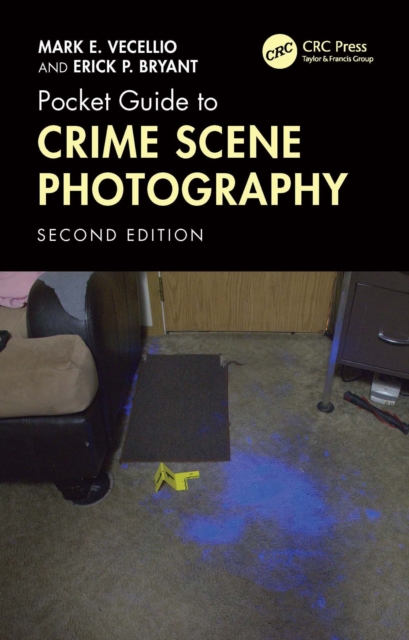
There are more than 800,000 sworn law enforcement officers employed within the United States, many of whom are regularly tasked with photographing crime scenes or evidence associated with criminal investigations.
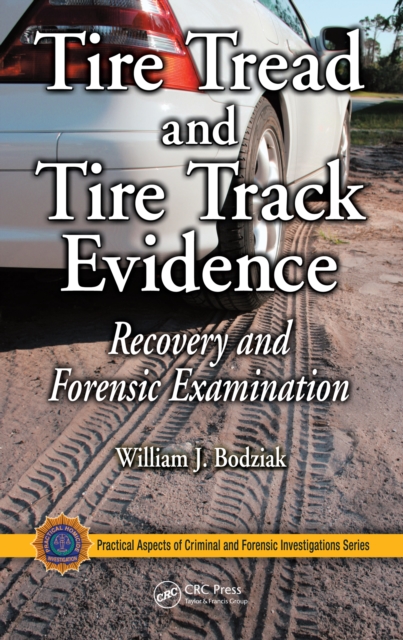
Along with firearms, tool marks, fingerprints, and footwear, the analysis of tire marks is a key area within the forensic discipline of impression evidence.
Handbook for Death Scene Investigators provides concise information in a handy, pocket-sized (3 1/2"e; x 6"e;) format - perfect for on-the-scene reference.
Frequently a substance found at a port of entry, waste site, laboratory triage facility, or even in a hazardous materials emergency will be labeled and purportedly identified.
A product of the American Society of Forensic Odontology, this volume provides comprehensive and up-to-date information involving all facets of forensic dentistry.
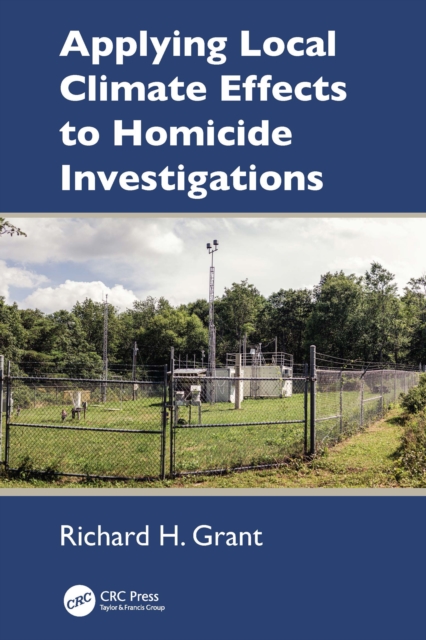
Applying Local Climate Effects to Homicide Investigation presents the concepts behind using local climate and weather records to enhance understanding of criminal cases.
This essential resource offers extensive updates on the leading Supreme Court cases impacting law enforcement in the United States, creating a must-have reference for police officers to stay up-to-date and have a strong understanding of the law and their function within it.
Death Investigation: Systems and Procedures is the first book dedicated to the topic of death investigation from a legal standpoint as well as the administrative and operational procedures that pertain to the medical examiner and the coroner system in the United States.
Through an examination and assessment of the body at a death scene, the medicolegal death investigator (MLDI) must be able to recognize circumstances that point to what manner of death occurred-be it natural causes, homicide, suicide, accident, or undetermined.
One of the most elusive pursuits in the study of organized crime is developing a definition, description, or conceptual model that captures its complexity, diversity, and ever-changing nature.
False Allegations: Investigative and Forensic Issues in Fraudulent Reports of Crime provides investigators and forensic examiners with a reference manual comprised of objective protocols for managing cases.
False Allegations: Investigative and Forensic Issues in Fraudulent Reports of Crime provides investigators and forensic examiners with a reference manual comprised of objective protocols for managing cases.
Building on Frederic Lemieux's previous work exploring how Western state surveillance and intelligence activities have drastically adapted to new domestic and global challenges, this second edition expands on additional dimensions of intelligence and surveillance activities conducted in modern societies.
This book presents a detailed study of unusual firearms, with the goal of helping forensic analysts and crime scene investigators minimize erroneous conclusions in cases where nonstandard firearms are used.
Offender profiling has been developing slowly as a possible investigative tool since 1841 and the publication of Edgar Allen Poe's The Murder in the Rue Morgue.
This specially developed workbook can be used in conjunction with the Complete Crime Scene Investigation Handbook (ISBN: 978-1-4987-0144-0) in group training environments, or for individuals looking for independent, step-by-step self-study guide.
Exploring the complex interplay between drug law enforcement and self-legitimacy among police officers, this book, through ten months of ethnographic research in Belgian cities, examines how drug detectives justify their role within a challenging landscape of moral, social, and legal dilemmas.
Advances in Forensic Biology and DNA Typing examines a broad range of forensic DNA applications and topics, based on internationally recognized best practices.
A laboratory companion to Forensic Science: An Introduction to Scientific and Investigative Techniques and other undergraduate texts, Forensic Science Laboratory Manual and Workbook, Third Edition provides a plethora of basic, hands-on experiments that can be completed with inexpensive and accessible instrumentation, making this an ideal workbook f