This book provides an ethnography of street-level policing in the United States and offers an analysis with valuable lessons for today's law enforcement officers.
This book provides an ethnography of street-level policing in the United States and offers an analysis with valuable lessons for today's law enforcement officers.
This sixth volume of Advances in Criminological Theory is testimony to a resurgent interest in anomie-strain theory, which began in the mid- 1980s and continues unabated.
This sixth volume of Advances in Criminological Theory is testimony to a resurgent interest in anomie-strain theory, which began in the mid- 1980s and continues unabated.
Robinson details the life and times of France-Albert Rene (1935-2019), the second post-independence leader of Seychelles who oversaw the nation's transition to democracy after over a decade of his brutal dictatorship.
Robinson details the life and times of France-Albert Rene (1935-2019), the second post-independence leader of Seychelles who oversaw the nation's transition to democracy after over a decade of his brutal dictatorship.
This book contributes to the literature on organized crime by providing a detailed account of the various nuances of what happens when criminal organizations misuse or penetrate legitimate businesses.
This book contributes to the literature on organized crime by providing a detailed account of the various nuances of what happens when criminal organizations misuse or penetrate legitimate businesses.
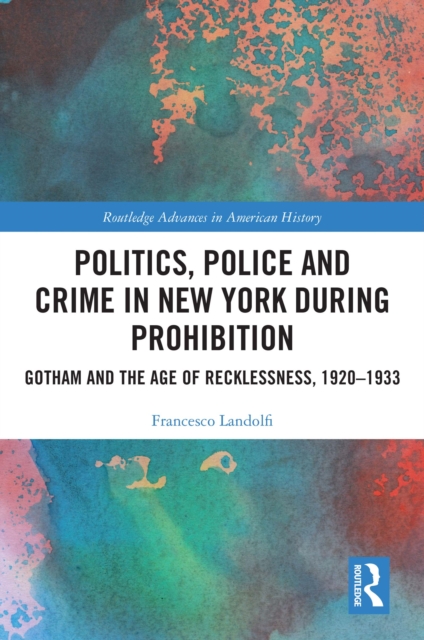
This book aims to highlight the causes why the Prohibition Era led to an evolution of the New York mob from a rural, ethnic and small-scale to an urban, American and wide-scale crime.
This book aims to highlight the causes why the Prohibition Era led to an evolution of the New York mob from a rural, ethnic and small-scale to an urban, American and wide-scale crime.
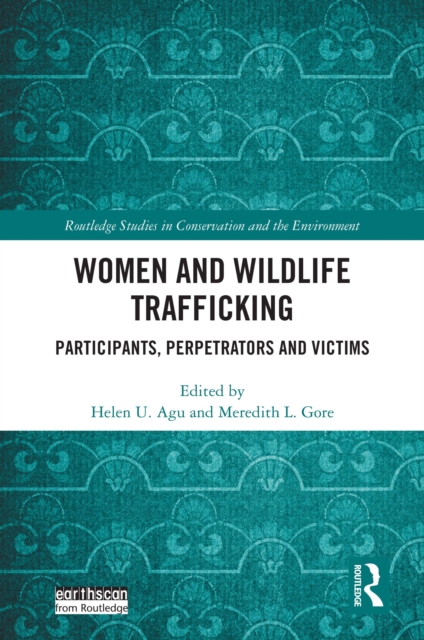
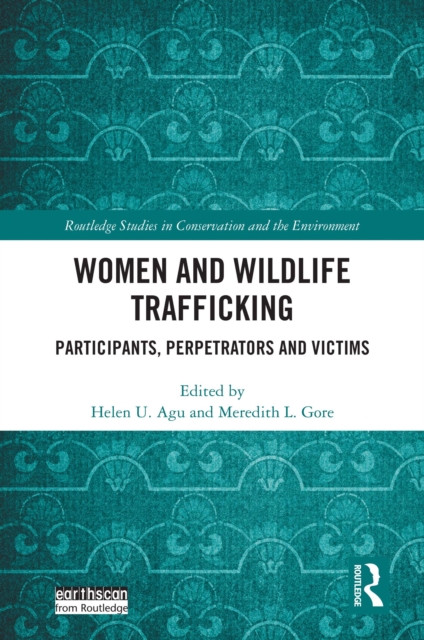
This volume examines women and wildlife trafficking via a collection of narratives, case studies and theoretical syntheses from diverse voices and disciplines.
This volume examines women and wildlife trafficking via a collection of narratives, case studies and theoretical syntheses from diverse voices and disciplines.
As politicians and the media perpetuate the stereotype of the "e;common criminal,"e; crimes committed by the powerful remain for the most part invisible or are reframed as a "e;bad decision"e; or a "e;rare mistake.
As politicians and the media perpetuate the stereotype of the "e;common criminal,"e; crimes committed by the powerful remain for the most part invisible or are reframed as a "e;bad decision"e; or a "e;rare mistake.
This book presents a unique series of graphic narratives which offer a new way to recount the lived experiences and life stories of women involved in transnational organised crime groups, from victims to perpetrators.
This book presents a unique series of graphic narratives which offer a new way to recount the lived experiences and life stories of women involved in transnational organised crime groups, from victims to perpetrators.
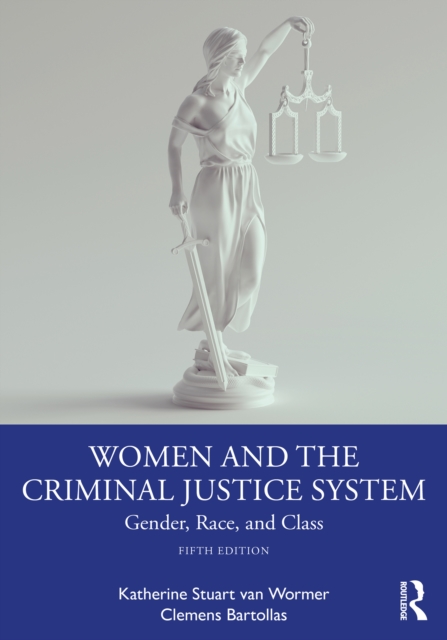
This book presents an up-to-date analysis of women as victims of crime, as individuals under justice system supervision, and as professionals in the field.
This book presents an up-to-date analysis of women as victims of crime, as individuals under justice system supervision, and as professionals in the field.
This fully revised new edition provides a definitive and holistic overview of Transnational Organized Crime (TOC) in a world in which right wing populism has gained ground, trade wars are increasing, climate change is a reality and Covid poses a challenge for years to come.
This fully revised new edition provides a definitive and holistic overview of Transnational Organized Crime (TOC) in a world in which right wing populism has gained ground, trade wars are increasing, climate change is a reality and Covid poses a challenge for years to come.
Firearms: Global Perspectives on Consequences, Crime and Control explores the many dimensions of the illicit use of firearms across the globe, including legal, social science, technical and research perspectives on the issue.
Firearms: Global Perspectives on Consequences, Crime and Control explores the many dimensions of the illicit use of firearms across the globe, including legal, social science, technical and research perspectives on the issue.
Graphic depictions of crime in Mexico abound in the global imagination, fueled not merely by media representations, but also by an abundant body of scholarship that reproduces grotesque, simplistic characterizations of Mexico's people, cities and towns as crime-ridden and almost inherently violent.
Graphic depictions of crime in Mexico abound in the global imagination, fueled not merely by media representations, but also by an abundant body of scholarship that reproduces grotesque, simplistic characterizations of Mexico's people, cities and towns as crime-ridden and almost inherently violent.
Members of organized crime syndicates have gained control of key businesses and trade unions through their strategic positions as arbiters of labor-management conflicts and as dispensers of illegal credit.
Members of organized crime syndicates have gained control of key businesses and trade unions through their strategic positions as arbiters of labor-management conflicts and as dispensers of illegal credit.
This book provides a multidisciplinary approach to understanding human behavior and uses it to analyze the forces shaping the life cycle of violent political movements.
This book provides a multidisciplinary approach to understanding human behavior and uses it to analyze the forces shaping the life cycle of violent political movements.
This book, first published in 1988, is a study of clientelism in the south of Italy, its relationship with the mafia and its importance in the context of national politics.
This book, first published in 1988, is a study of clientelism in the south of Italy, its relationship with the mafia and its importance in the context of national politics.
Mexico's Drug War and Criminal Networks examines the effects of technology on three criminal organizations: the Sinaloa cartel, the Zetas, and the Caballeros Templarios.
Mexico's Drug War and Criminal Networks examines the effects of technology on three criminal organizations: the Sinaloa cartel, the Zetas, and the Caballeros Templarios.