This book moves beyond rehabilitative strategies in corrections to engage a more holistic understanding of the communal experiences behind prison walls.
Now more than ever, the criminal justice system, and the programs, policies, and practices within it, are subject to increased public scrutiny, due to well-founded concerns over effectiveness, fairness, and potential unintended consequences.
First published in 1965, the original blurb reads: "e;At the present time more and more public interest centres on crime, prison and prisoners, and the prison population in this country now exceeds 24, 000.
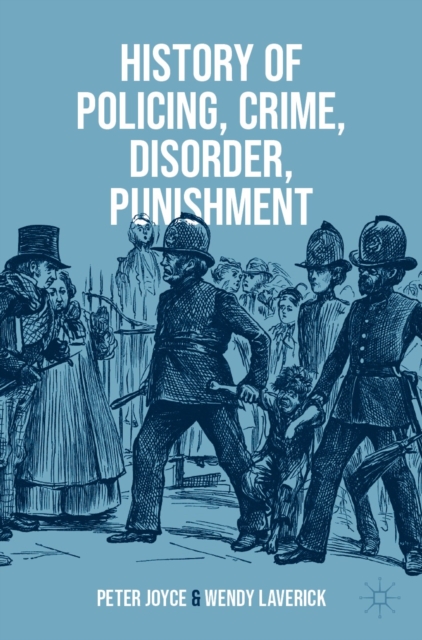
This engaging textbook provides a broad and unique coverage of the key historical events that shaped ideas in criminology, criminal justice and policing from the late seventeenth century to the early twenty-first century in England and Wales.
Exploring why prison officers leave His Majesty's Prison and Probation Service (HMPPS) and the processes and trajectories involved in returning to 'civilian life', this book examines the reasons that prison officers want to leave HMPPS and how they transition back to 'civvy street'.
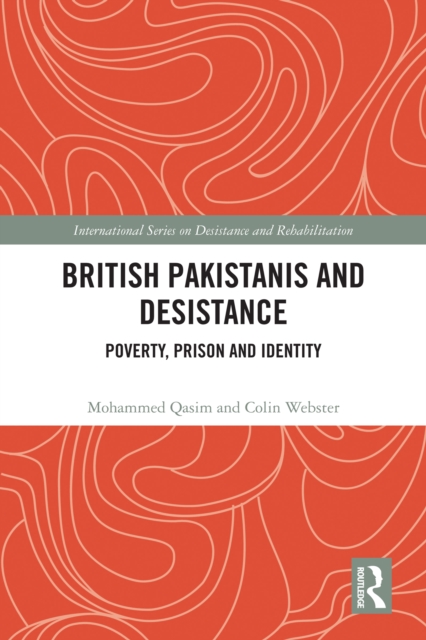
Focusing on the lives of first- and second-generation British Pakistani young adult men and those approaching middle age who offend or have offended and the experiences of their fathers bringing them up in a de-industrialised city, this book examines the influence of social relations on their moves toward and away from crime, particularly the impact of father-son relationships.
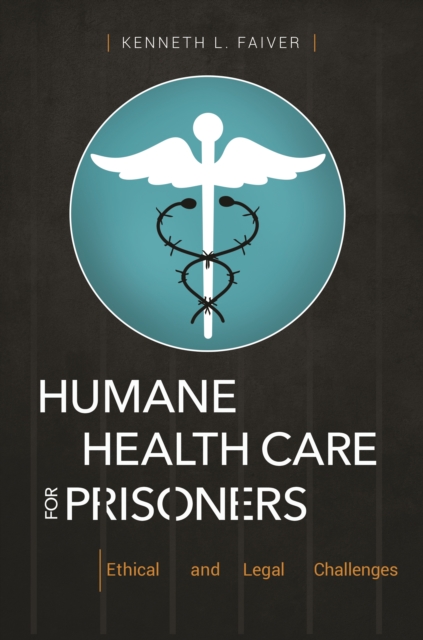
A useful research resource and handy reference, this book discusses the many important ethical and legal issues that arise in the delivery of health care to prisoners at correctional facilities.
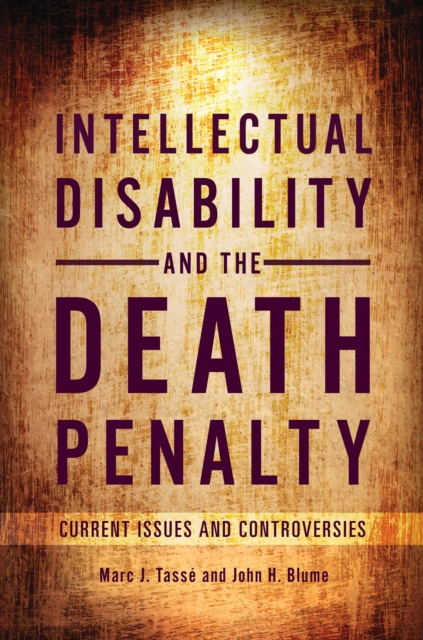
Written by two nationally recognized experts, this book provides a comprehensive review of the legal and clinical aspects of the death penalty as it relates to intellectual disability.
Getting Out offers the first systematic account of the evolution of early release as a public policy concern in England and Wales between 1960 and 1995.
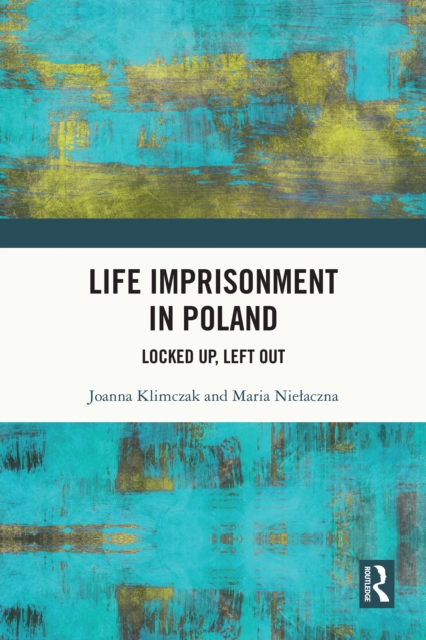
This book examines life imprisonment in Poland, exploring how the 1989 democratic transition led to its reintroduction across Central and Eastern Europe in 1995 and major reform in 2023.
This book examines life imprisonment in Poland, exploring how the 1989 democratic transition led to its reintroduction across Central and Eastern Europe in 1995 and major reform in 2023.
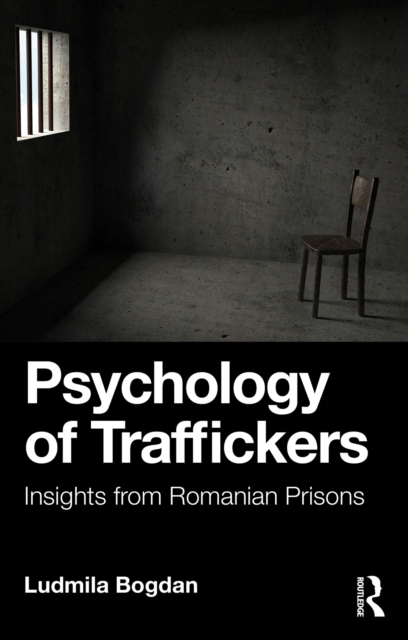
Psychology of Traffickers: Insights from Romanian Prisons offers a rare and methodologically rigorous examination of the moral and psychological worlds of individuals convicted of human trafficking.
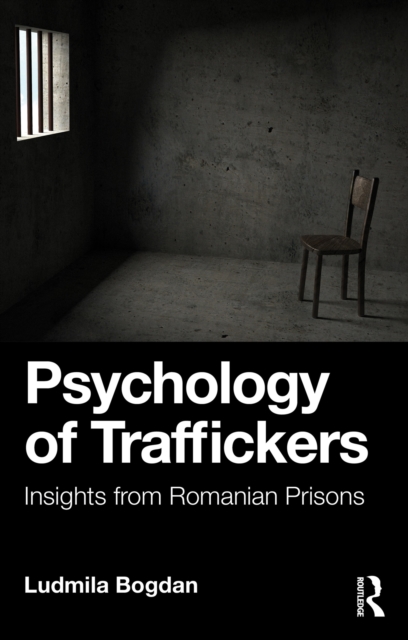
Psychology of Traffickers: Insights from Romanian Prisons offers a rare and methodologically rigorous examination of the moral and psychological worlds of individuals convicted of human trafficking.