The recruitment of ISIS terrorists may have begun as an extremist crusade in Iraq, but it has quickly become a global phenomenon that is taking hold of people from diverse backgrounds, cultures, and belief systems.
Debtors' prisons might sound like something out of a Dickens novel, but what most Americans do not realize is that they are alive and well in a new and startling form.
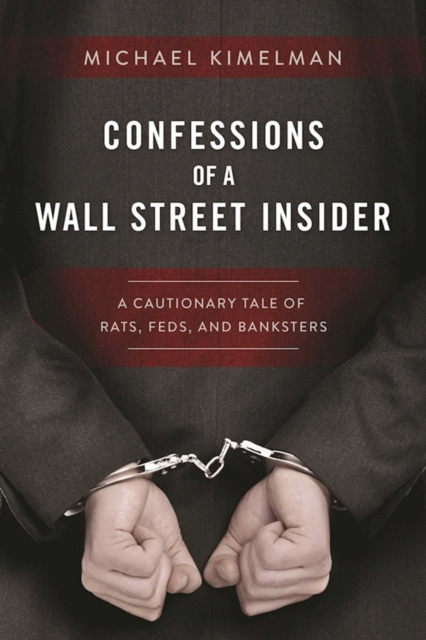
Although he was a suburban husband and father, living a far different life than the Wolf of Wall Street, Michael Kimelman had a good run as the cofounder of a hedge fund.
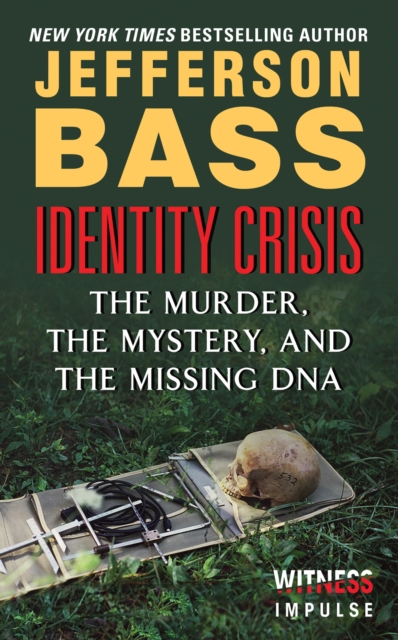
Renowned forensic anthropologist Bill Bassfounder of the Body Farmtackles one of his most baffling cases ever in this real-life spellbinder In 1978, 56-year-old Leoma Patterson left a bar in Clinton, Tennessee, and was never seen again.
This evocative and gripping investigative look into romantic relationships between incarcerated people and their spouses on the outside ';is impossible to put down' (The Globe and Mail, Toronto).
Nuestra ""casa"", más que un lugar físico, es un conjunto de recuredos que nos permite comprender mejor quienes éramos, quienes somos, y puede ayudarnos a comprender quienes seremos.
'A marvel of storytelling and a masterclass in the history of the book' WALL STREET JOURNALThe Renaissance in Florence conjures images of beautiful frescoes and elegant buildings - the dazzling handiwork of the city's artists and architects.
A leading criminologist draws on over 30 years' experience working with sex offenders to propose a new way of understanding sexual crimesThe prevalence of sex crimes has become one of the most urgent, and most widely misunderstood, subjects of our times.
'An intricate and brilliantly written psychiatric perspective on the most perplexing of crimes' Kerry Daynes, author of The Dark Side of the Mind'Beautifully written and very dark' Nimco Ali OBE'Whodunnit' doesn't matter so much, not to a forensic psychiatrist.
From the New York Times bestselling author of Because You Are Mine, The Affair and Make Me - Behind the Curtain is a seductive standalone romance, perfect for fans of E.
Fans of Suzanne Brockmann, Maya Banks, Christy Reece, Julie Ann Walker and Cindy Gerard will adore Pamela Clare's expertly plotted romantic suspense series, which sets the pages alight with sizzling chemistry.
Durante el 2016 se vivieron dos episodios históricos para la reflexión sobre las estrategias de drogas en Colombia: la celebración de la Sesión Especial de la Asamblea General de las Naciones Unidas sobre el problema mundial de drogas (UNGASS 2016) y la firma del Acuerdo de Paz entre el Gobierno y las FARC-EP, que incluye lo pactado sobre la "Solución al problema de las drogas ilícitas".
La implementación del Acuerdo de Paz entre las Fuerzas Armadas Revolucionarias de Colombia (FARC) y el Gobierno nacional –así como el inicio de los diálogos con el Ejército de Liberación Nacional (ELN)– es un hecho fundamental en la historia política y económica del país.
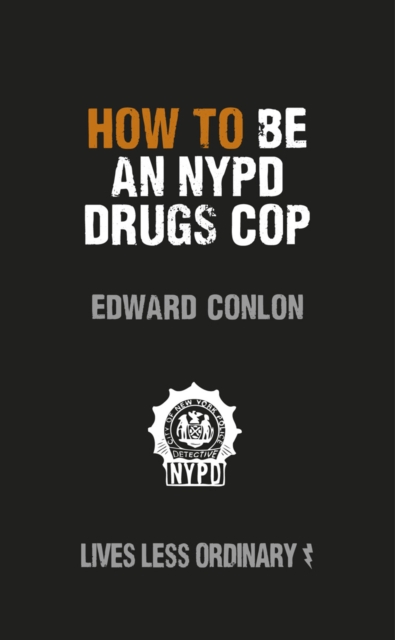
The Lives Less Ordinary series brings you the most exciting, adventurous and entertaining true-life writing that is out there, for men who are time-poor but want the best.
Fans of Rosamunde Pilcher, Maeve Binchy and Erica James will love this compelling story examining how people react differently to change from multi-million copy seller Elvi Rhodes.
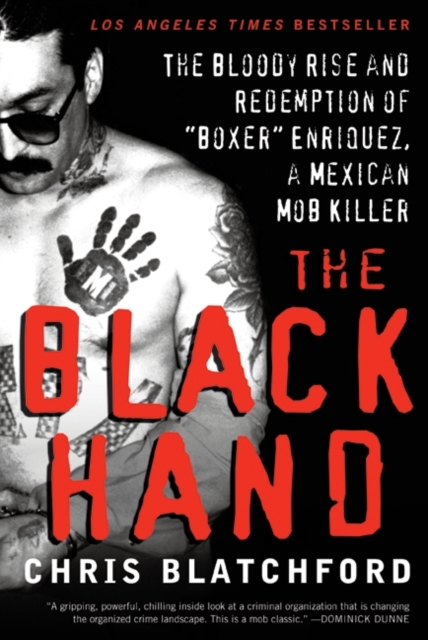
THE BLACK HAND is the true story of Rene Enriquez aka Boxer and his rise in a secret criminal organization a new Mafia that already has a grip on all organized crime in California and soon all of the United States.
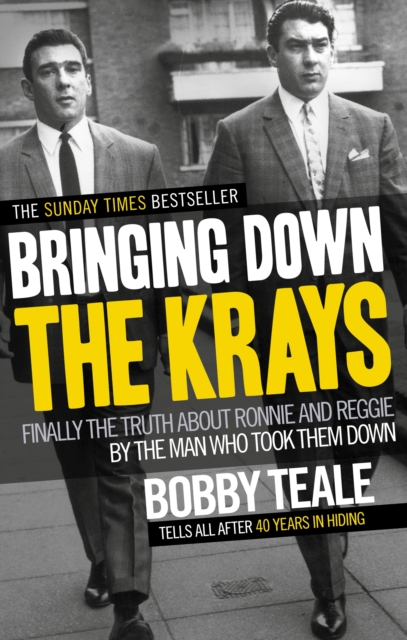
The first full account of the beautiful, innocent young woman who married Reggie Kray - and became trapped in the violent and terrifying world of the Kray Twins.
Discover the nail-biting new thriller from the Sunday Times bestselling author of Black-Eyed Susans'Gorgeous writing, interesting characters, a unique setting, and an unsettling, surprising mystery.
An in-depth look at the consequences of New York City's dramatically expanded policing of low-level offensesFelony conviction and mass incarceration attract considerable media attention these days, yet the most common criminal-justice encounters are for misdemeanors, not felonies, and the most common outcome is not prison.
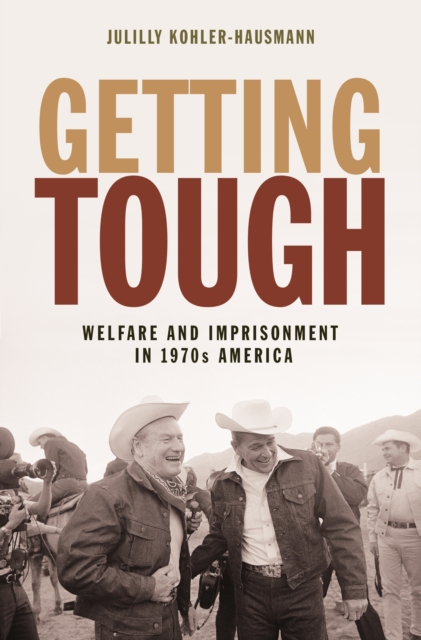
The politics and policies that led to America's expansion of the penal system and reduction of welfare programsIn 1970s America, politicians began "e;getting tough"e; on drugs, crime, and welfare.