'A tour de force' - Patrick Radden Keefe, author of Empire of Pain From the doctor's office to the opioid crisis, The Hard Sell is the story of a pharmaceutical company that got Americans hooked on fentanyl - and how it was finally held to account.
Introduction to Security has been the leading introduction to private security for over 30 years, celebrated for its balanced and professional approach to this increasingly important area.
Retail Crime, Security, and Loss Prevention is destined to become the "e;go to"e; source of crime- and loss prevention- related information in the retail industry.
A Litigator's Guide to DNA educates both criminal law students and forensic science students about all aspects of the use of DNA evidence in criminal and civil trials.
Government and companies have already invested hundreds of millions of dollars in the convergence of physical and logical security solutions, but there are no books on the topic.
Kidnapping: An Investigator's Guide to Profiling is based on a three-part analysis of 100 randomly selected kidnapping cases prosecuted in the United States that have survived Supreme Court appeal.
Forensic Art Essentials teaches artists to extract information from a witness or victim about a face they have seen, and produce an image good enough to lead detectives to the criminal being described.
The study of fire debris analysis is vital to the function of all fire investigations, and, as such, Fire Debris Analysis is an essential resource for fire investigators.
High-Security Mechanical Locks comprehensively surveys and explains the highly technical area of high security locks in a way that is accessible to a wide audience.
The Newnes Know It All Series takes the best of what our authors have written to create hard-working desk references that will be an engineer's first port of call for key information, design techniques and rules of thumb.
In the field of forensics, there is a critical need for genetic tests that can function in a predictive or inferential sense, before suspects have been identified, and/or for crimes for which DNA evidence exists but eye-witnesses do not.
This practical reference provides the basics for instituting a corporate anti-fraud program that helps prepare corporate security professionals and other corporate managers for fighting corporate fraud from inside the company.
Forensic Neuropathology provides superior visual examples of the more commonly encountered conditions in forensic neuropathology and answers questions that arise regarding neuropathological findings.
In Bloodstain Pattern Evidence, the concepts introduced in the author's first book, Blood Dynamics, are updated and applied to provide essential answers in the resolution of actual crimes.
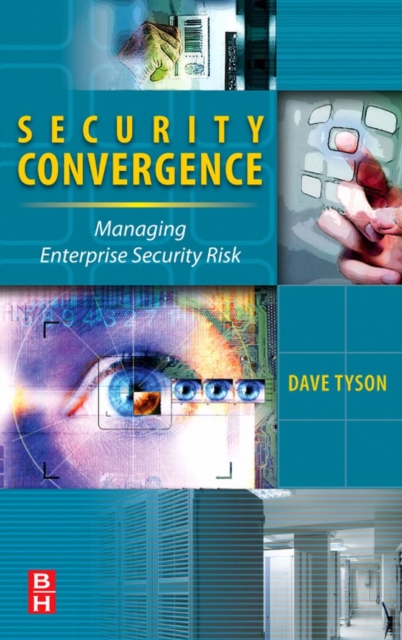
Security Convergence describes the movement in business to combine the roles of physical security and security management with network computer security measures within an organization.
This text reference provides state-of-the-art information on juvenile firesetters and reviews the current research on youthful firesetters and arsonists.
Private Security and the Law, Third Edition is a textbook analysis of significant practices in the security industry that relate to law, regulation, licensure and constitutional dilemmas according to case and statutory authority.
Serial killers like Seattle's Ted Bundy, Maryland's Beltway Sniper, Atlanta's Wayne Williams, or England's Peter Sutcliffe usually outsmart the task forces on their trail for long periods of time.
Security Operations Management takes concepts from business administration and criminal justice schools and incorporates them into the world of security management.
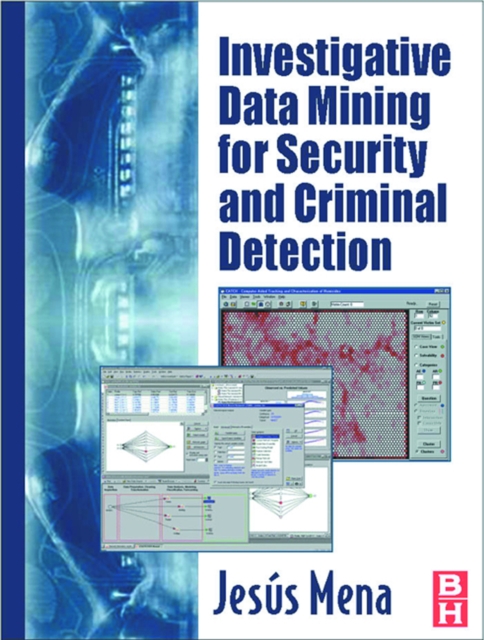
Investigative Data Mining for Security and Criminal Detection is the first book to outline how data mining technologies can be used to combat crime in the 21st century.
This textbook provides students and law enforcement officers with the fundamentals of the criminal investigation process, from arrival on the scene to trial procedures.
Guard Force Management looks at the contract guard force as a business and demonstrates how current management techniques can be used to improve efficiency and increase profitability.
'Part memoir, part shoe leather investigative journalism, The New Mafia is a vital exploration of how organised crime takes hold of a society from the bottom up and spreads around the world.
An inside look at the culture of surveillance that pits healthcare providers against their patientsDoctors and pharmacists make critical decisions every day about whether to dispense opioids that alleviate pain but fuel addiction.
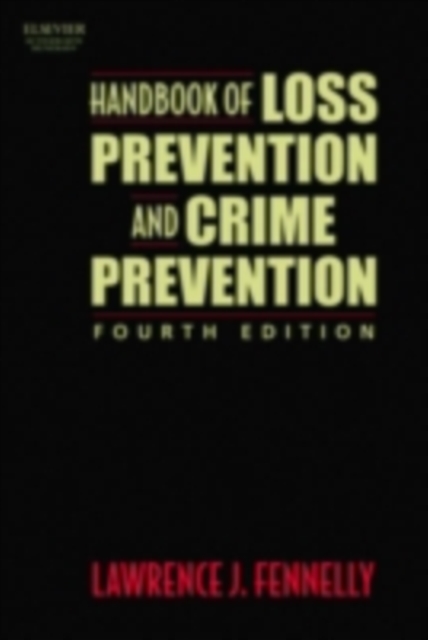
The Handbook of Loss Prevention and Crime Prevention, Fourth Edition, is the most comprehensive reference of its kind, covering the latest information on every topic from community-oriented policing to physical security, workplace violence, CCTV, information security, homeland security, and a host of specialty areas.
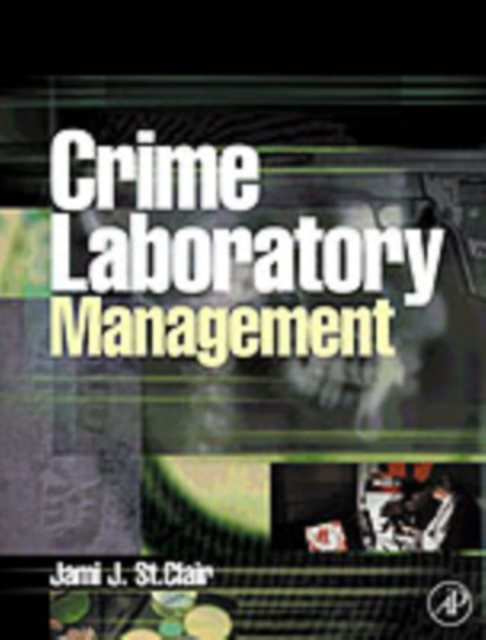
Crime Laboratory Management is the first book to address the unique operational, administrative, and political issues involved in managing a forensic laboratory.
Building on the success of their previous book, White and Folkens' The Human Bone Manual is intended for use outside the laboratory and classroom, by professional forensic scientists, anthropologists and researchers.
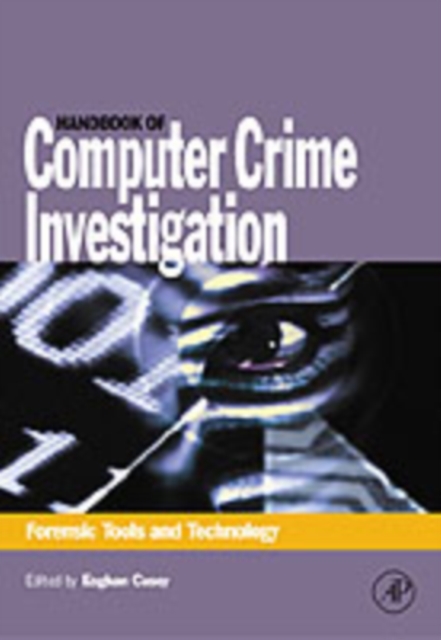
Following on the success of his introductory text, Digital Evidence and Computer Crime, Eoghan Casey brings together a few top experts to create the first detailed guide for professionals who are already familiar with digital evidence.
Vulnerability Assessment of Physical Protection Systems guides the reader through the topic of physical security with a unique, detailed and scientific approach.
The Rape Investigation Handbook is the first practical and hands-on manual written by sex crime investigators and forensic scientists, providing students with first-hand insight into the work of these professionals.
A practical reference written to assist the security professional in clearly identifying what systems are required to meet security needs as defined by a threat analysis and vulnerability assessment.
Intruder Alarms provides a definitive and fully up-to-date guide to the specification, systems design, integration, installation and maintenance of intruder alarm systems.
Forensic Investigation of Stolen-Recovered and Other Crime-Related Vehicles provides unique and detailed insights into the investigations of one of the most common crime scenes in the world.
Effective Interviewing and Interrogation Techniques, Second Edition, is completely revised and updated so as to cover all the information a student needs to know to obtain answers from a witness, a victim, or a suspect and how to interpret these answers with the utmost accuracy.
Crime Scene Photography is a book wrought from years of experience, with material carefully selected for ease of use and effectiveness in training, and field tested by the author in his role as a Forensic Services Supervisor for the Baltimore County Police Department.
The identification of even the smallest human fetal bone can be vital to the success of a criminal investigation or to the identification of the deceased.