Originally published in 1984, the overall purpose of this book was to provide ideas and suggestions about the usefulness of applied psychology in dealing with some of the problems of the elderly.
In the 1980s much research into the needs of the elderly was undertaken from the perspective of a 'sickness' model, a model which reinforced labels of elderly people as frail, disabled, dependent and economically unproductive.
First published in 1990, Working in Residential Homes for Elderly People outlines the purposes and objectives of residential homes and what it is like to live and work in them.
First published in 1990, Working in Residential Homes for Elderly People outlines the purposes and objectives of residential homes and what it is like to live and work in them.
First published in 1977, Residential Work with the Elderly brings together theoretical and practical approaches of relevance to providing care for older people in residential homes and long-stay geriatric hospitals.
First published in 1977, Residential Work with the Elderly brings together theoretical and practical approaches of relevance to providing care for older people in residential homes and long-stay geriatric hospitals.
The contributors to this book present case studies of elder care in China and India, and draw comparisons between the two - illuminating some of the key issues facing the two largest Asian countries as they develop rapidly.
The contributors to this book present case studies of elder care in China and India, and draw comparisons between the two - illuminating some of the key issues facing the two largest Asian countries as they develop rapidly.
Mit "Begegnungsrunde Handwerk" legt Sandra Köhnlein eine Erweiterung zu Ihrem Grundlagenbuch "Themenorientierte Begegnungsrunden planen und umsetzen" vor.
This book analyses contemporary healthcare and aging developments in the western world through a conceptual lens that is moderated by innovative postmodern tools and differential theories.
Düfte, Farben und Formen, Geräusche, Strukturen und die Bewegung im Raum - sinnlich-sensorische Eindrücke prägen die Wahrnehmung unseres täglichen Lebens, auch des Lebens mit einer Demenz.
Düfte, Farben und Formen, Geräusche, Strukturen und die Bewegung im Raum - sinnlich-sensorische Eindrücke prägen die Wahrnehmung unseres täglichen Lebens, auch des Lebens mit einer Demenz.
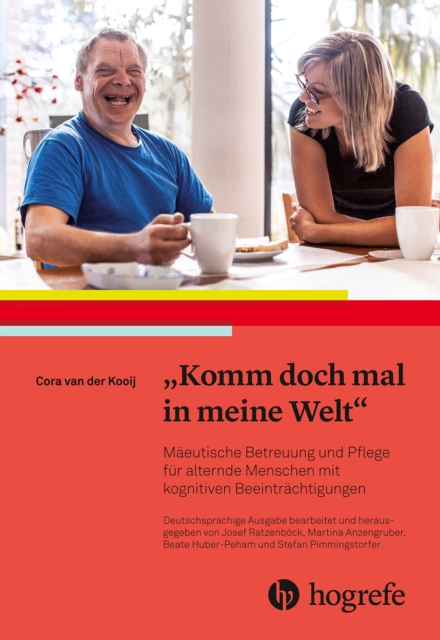
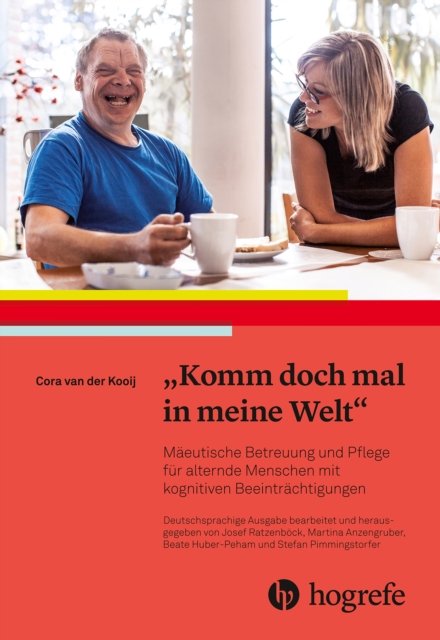
Cora van der Kooijs Praxisbuch über die mäeutische Pflege für Menschen mit geistiger Behinderung, kognitiven Beeinträchtigungen und Demenz •klärt welche Bedürfnisse kognitiv beeinträchtigte Menschen mit Behinderungen im Alter haben, wie sie Altern erleben und wie sie in Selbstversorgung, -bestimmung, Lebensaktivitäten und sozialer Verankerung pflegerisch unterstützt werden können •skizziert das Phänomen der "heranschleichenden Demenz" •beschreibt, wie mithilfe von Biografiearbeit individuelle Erfahrungen von Bewohnern mit Veränderungen und Verlusten nachgezeichnet und verstanden werden können •verdeutlicht mit Praxisbeispielen und in Gesprächen mit Menschen mit kognitiven Beeinträchtigungen, wie sie Älterwerden erleben und mit Verlusten, Sterben und Trauer umgehen •zeigt, wie Angehörige und Geschwister reagieren und wie die "Triangel" des Dreiecks: Bewohner, Familie und Begleiter zum Klingen gebracht werden kann •beschreibt, wie Pflegenden durch alternde Bewohnern verunsichert werden und wie sie durch eine neugierige, suchende und begleitend-mitgehende Haltung wieder Halt und eine neue professionelle Einstellung finden können •erklärt, wie Menschen mit kognitiven Beeinträchtigungen mit abschiedlichen Situationen umgehen, was sie über den Tod denken, wie sie Trauern äußern, wie sie Sterben, Verlust und den Tod von Eltern, Geschwistern und Mitbewohnern erleben, sich verabschieden und loslassen.
Cora van der Kooijs Praxisbuch über die mäeutische Pflege für Menschen mit geistiger Behinderung, kognitiven Beeinträchtigungen und Demenz •klärt welche Bedürfnisse kognitiv beeinträchtigte Menschen mit Behinderungen im Alter haben, wie sie Altern erleben und wie sie in Selbstversorgung, -bestimmung, Lebensaktivitäten und sozialer Verankerung pflegerisch unterstützt werden können •skizziert das Phänomen der "heranschleichenden Demenz" •beschreibt, wie mithilfe von Biografiearbeit individuelle Erfahrungen von Bewohnern mit Veränderungen und Verlusten nachgezeichnet und verstanden werden können •verdeutlicht mit Praxisbeispielen und in Gesprächen mit Menschen mit kognitiven Beeinträchtigungen, wie sie Älterwerden erleben und mit Verlusten, Sterben und Trauer umgehen •zeigt, wie Angehörige und Geschwister reagieren und wie die "Triangel" des Dreiecks: Bewohner, Familie und Begleiter zum Klingen gebracht werden kann •beschreibt, wie Pflegenden durch alternde Bewohnern verunsichert werden und wie sie durch eine neugierige, suchende und begleitend-mitgehende Haltung wieder Halt und eine neue professionelle Einstellung finden können •erklärt, wie Menschen mit kognitiven Beeinträchtigungen mit abschiedlichen Situationen umgehen, was sie über den Tod denken, wie sie Trauern äußern, wie sie Sterben, Verlust und den Tod von Eltern, Geschwistern und Mitbewohnern erleben, sich verabschieden und loslassen.
This book weaves together current understanding around financial literacy and ageing, arguing for the relevance of financial literacy for old age security.
This book weaves together current understanding around financial literacy and ageing, arguing for the relevance of financial literacy for old age security.
A prominent geriatric psychiatrist details the good, the bad, and the ugly aspects of places where those with dementia are treated-from emergency rooms and psychiatric hospitals to assisted living facilities and nursing homes.
This in-depth description of life in a nursing/care home for 70 residents and 40 staff highlights the daily care of frail or ill residents between 80 and 100 years of age, including people suffering with dementia.
It is estimated that five out of ten people turning 67 will use a nursing home at some point in their lives and many will need home care and other related services as well About two-thirds of people in nursing homes have no living relatives.
Though exceptional human longevity has captured the imagination for millennia, it has been only in the past fifteen years or so that some of the secrets to very long lives are finally giving way to scientific inquiry.
The First Comprehensive Guide for Dealing with Dementia's Effect on Sex, Intimacy, and RelationshipsIt is common for a person with dementia to exhibit inappropriate and uncharacteristic sexual behavior, including promiscuity, verbal abuse, aggression, grabbing, exhibitionism, and jealous paranoia.