*Highly Commended in the Popular Medicine category at the 2012 British Medical Association Book Awards*The simple sensation of touching someone's hand can have a powerful therapeutic effect.
This practical handbook will empower activity coordinators and carers to run safe, rewarding and health-giving dance and movement sessions with older people, including with those who are frail, who have limited mobility or who are living with dementia.
This volume of the Annual Review of Gerontology and Geriatrics helps readers see the local problem and concern of aging as a global epidemic affecting all areas of the health care workplace.
Exploring concepts of ageing, personhood, capacity, liberty, best interests and the nature and ethics of palliative care, this book will help those in the caring professions to understand and engage with the thoughts and arguments underpinning the experience of dementia and dementia care.
A practical guide to advise Baby Boomers how to deal with the daunting task of facing a parents' eventual passing as it relates to residential contents, heirlooms, and the often difficult family interactions and feuds that accompany them.
In its updated and expanded second edition, this helpful guide offers a wealth of information for people living with HIV and for people caring for HIV-positive loved ones.
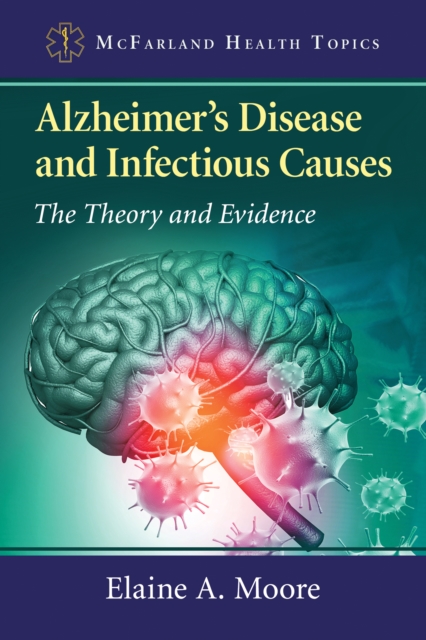
With the recent discovery that amyloid beta protein, the cause of plaques in Alzheimer's disease, is an antimicrobial peptide produced in response to infection, many researchers are focusing on the role infection plays in the development of Alzheimer's disease.
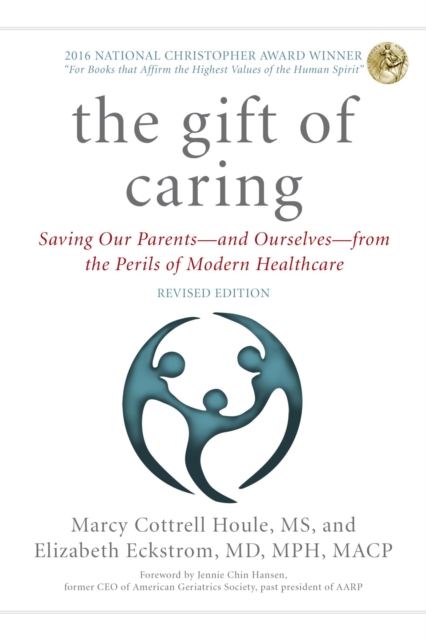
In a powerful blending of memoir and practical strategies from a medical doctor's perspective, The Gift of Caring: Saving Our Parents and ourselves - from the Perils of Modern Healthcare reveals the hidden side of modern healthcare practices for aging Americans.
Advocating for dementia for 20 years, Christine Bryden has been instrumental in ensuring that people with dementia are included in discussions about the condition and how to manage and think about it.
How can carers and relatives support a person's identity, relationships and emotional wellbeing through changes that occur in the later stages of dementia?
This practice-focussed resource shows dementia care professionals how to harness resilience in their daily practice when working with people living with dementia.
The way in which dementia is understood and treated is changing, with a growing focus on the individual's experience and person-centred approaches to care.
Examining recent research and practice on reminiscence, life review and life story work, this book offers critical accounts of the rapidly growing and extensive global literature, and highlights the continuing relevance and effectiveness of these therapeutic methods.
Focusing on individual Black, Asian and Minority Ethnic (BAME) communities such as Irish, Caribbean, South Asian, Chinese and Jewish, this accessible guide brings together key information on the impact of living with dementia in BAME communities into a single comprehensive resource for front-line staff as well as an information source for families and carers.
Advocating an intersectional approach to care, this book sets out advice for therapists and professionals on adopting culturally sensitive and trans-affirmative practices when working with trans and gender non-conforming clients regardless of age, race, ethnicity or religion.
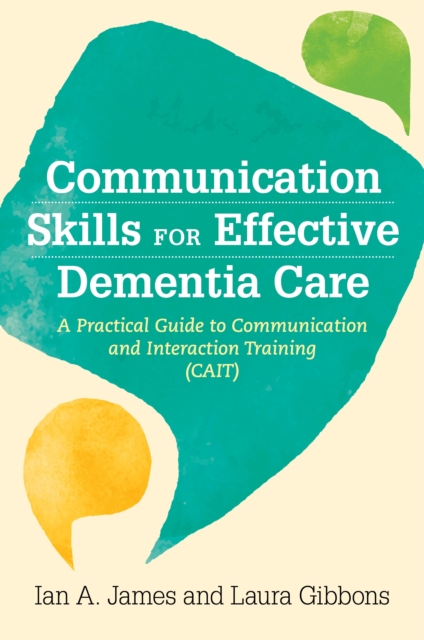
Effective communication is critical for everyone, and this insightful book teaches the skills needed by healthcare staff in their day-to-day interactions with people with dementia and their families.
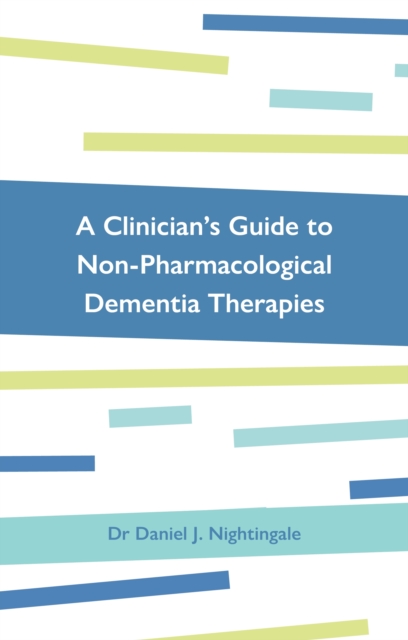
The book outlines a range of non-pharmacological therapies clinicians can adopt in their daily practice and sets out information and advice on each therapy and how to implement them in practice, illustrated with case studies and practical examples and drawing on the author's own clinical work.
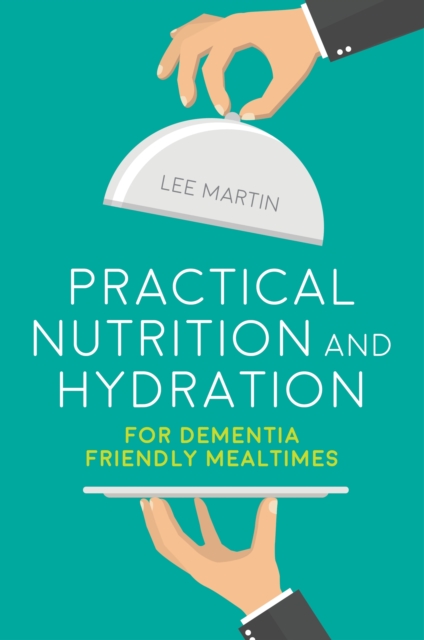
Presenting simple and cost-effective solutions for maintaining and improving mealtime abilities, this book discusses the practical aspects of eating and drinking as part of person-centred dementia care.
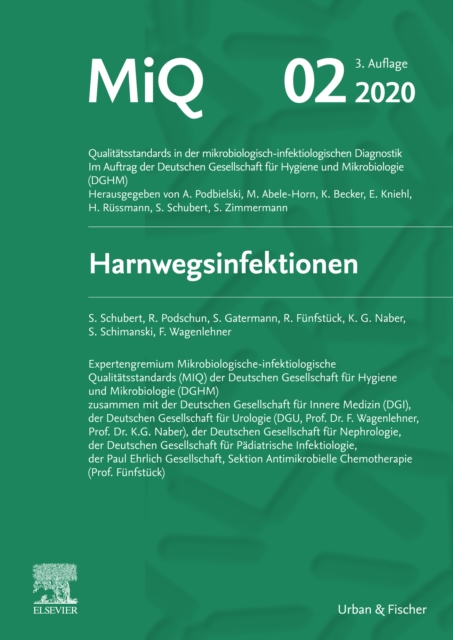
Die aktualisierte Fassung der MiQ 2 Harnwegsinfetkionen enthält die Beschreibung und Empfehlung von Verfahren zur mikrobiologischen und infektiologischen Diagnostik von Harnwegsinfektionen durch schnellwachsende Mikroorganismen.
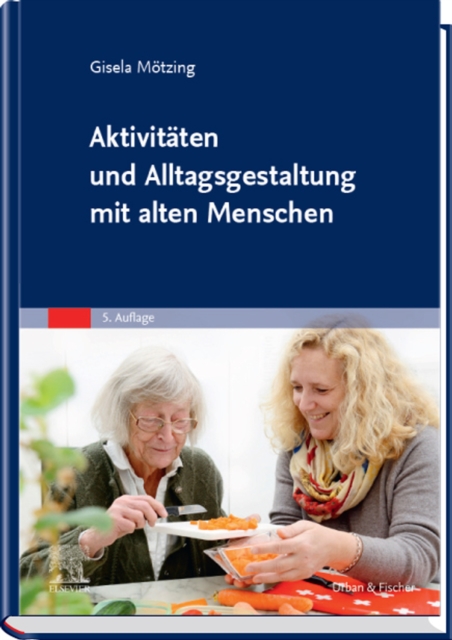
Aktivitäten schnell und einfach planen - erfüllte Tage im AlterDas umfassende und fundierte Lehr- und Nachschlagewerk geht auf die verschiedenen Bedürfnisse nach sinnvoller Beschäftigung alter Menschen durch zahlreiche unterschiedliche geragogische Angebote ein und berücksichtigt dabei die Demenz als zentrales Schwerpunktthema in der Altenpflege.
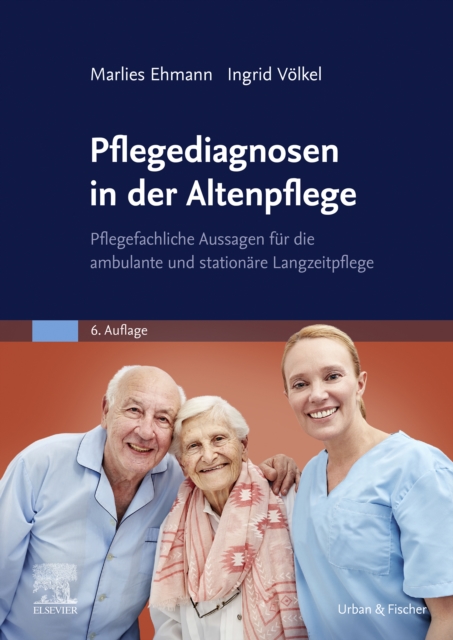
So kommen Sie von der Diagnosenauswahl zur optimalen Formulierung: Pflegediagnosen in der Altenpflege bietet Pflegenden, Lernenden und Lehrenden in der ambulanten und stationären Langzeitpflege:- Einführende Erläuterungen zur Geschichte und zu Grundlagen der Pflegediagnosen- Hinweise zur Anwendung von Pflegediagnosen in der Langzeitpflege, inklusive zahlreicher praktischer Beispiele- Vorschläge zur Informationssammlung und zur Pflegedokumentation anhand der Strukturierten Informationssammlung (SIS®)- Hilfen zur Gestaltung eines individuellen strukturierten Tagesplans für den pflegebedürftigen Menschen Neu in der 6.
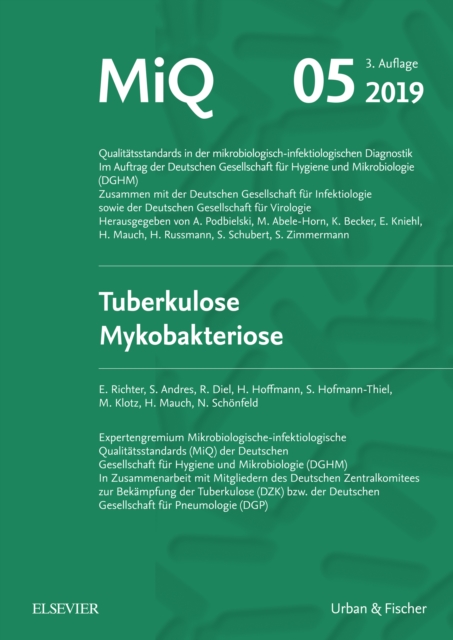
Die aktualisierte Fassung der MiQ 5 enthält die mikrobiologisch infektiologischen Qualitätsstandards zur Untersuchung auf Tuberkulose und andere Mykobakteriosen.
So verschieden die individuellen Ernährungsvorlieben und Gebräuche sind, so unterschiedlich sind die Bedürfnisse älterer, betreuungsbedürftiger Menschen.
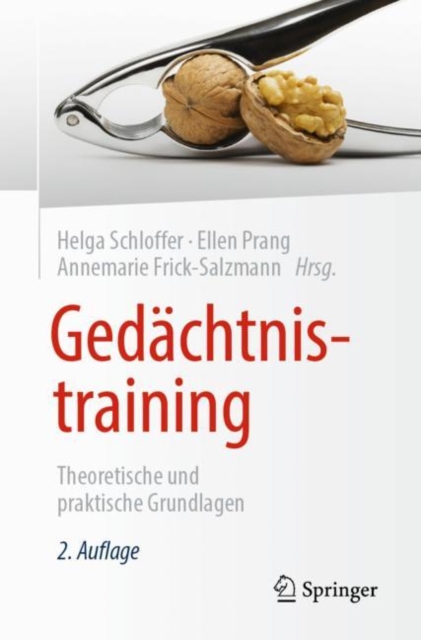
Das Fachbuch vermittelt nach aktuellem wissenschaftlichen Stand Grundlagen zu Kenntnissen über Gehirnfunktionen, Gedächtnis, Lernstrategien und Unterstützungen kognitiver Leistungen durch Bewegung, Musik, Humor und Entspannung.