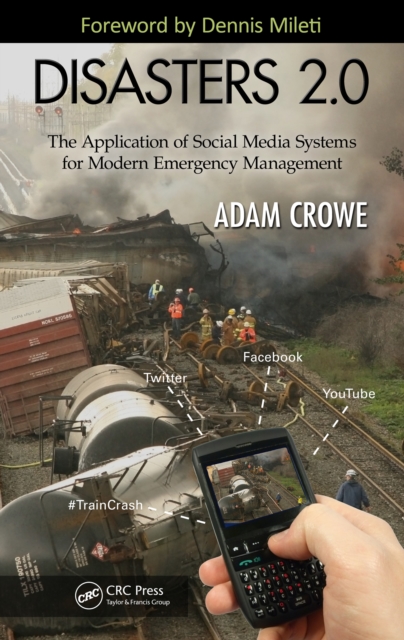
Using Social and Information Technologies for Disaster and Crisis Management highlights examples of disaster situations in recent years in which social and information technologies were useful in distributing and receiving information updates.
The protection and security of cultural properties is of primary concern to the thousands of federal, state, county, city, and private institutions entrusted with housing and displaying our national heritage and history of our society.
Managing Intelligence: A Guide for Law Enforcement Professionals is designed to assist practitioners and agencies build an efficient system to gather and manage intelligence effectively and lawfully in line with the principles of intelligence-led policing.
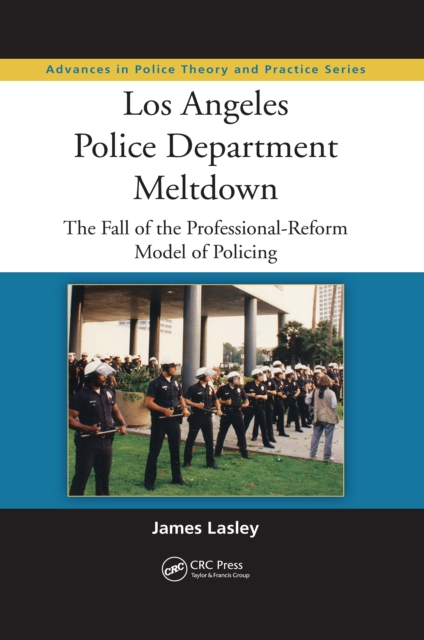
Once considered among the most respected police departments in the world, the LAPD suffered a devastating fall from grace following the 1991 police officer beating of Rodney King and the Los Angeles riots stemming from the officers acquittal in 1992.
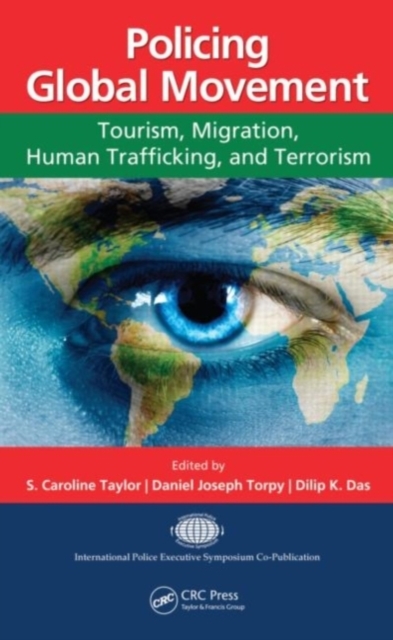
The movement of humans across borders is increasing exponentially'some for benign reasons, others nefarious, including terrorism, human trafficking, and people smuggling.
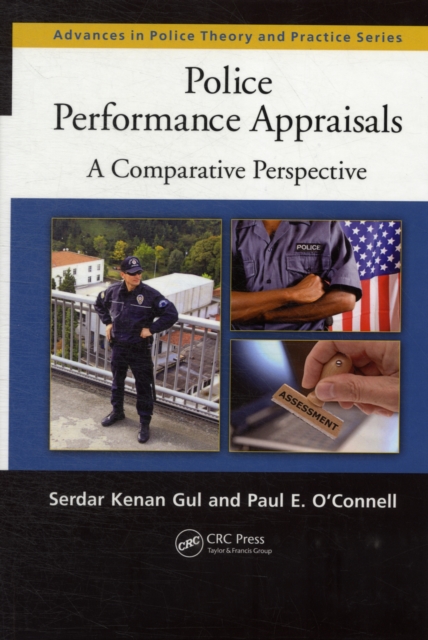
Police performance appraisal is one of the most important components of law enforcement management affecting the quality of the services a department delivers as well as the satisfaction of its employees.
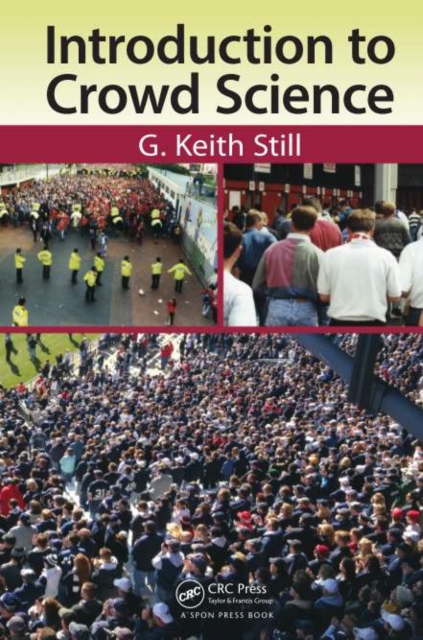
This well-grounded and practical guide highlights the underlying causes of crowd disasters and mass fatalities-giving readers insight into the root causes of crowd-related accidents.
In high-profile investigations, when the suspect pool is very large, resources are unduly strained unless the pool can be narrowed down to the most likely offenders.
The protection and security of cultural properties is of primary concern to the thousands of federal, state, county, city, and private institutions entrusted with housing and displaying our national heritage and history of our society.
This student mainstay continues to be organised around constitutional themes, with new material on local elections, the politics of the centre and the limits of state power.
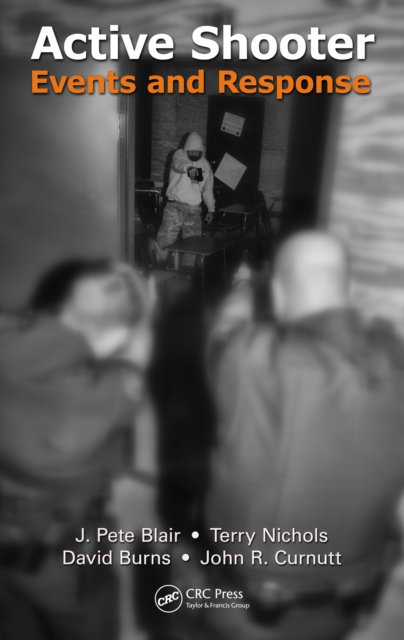
Terrorism threats and increased school and workplace violence have always generated headlines, but in recent years, the response to these events has received heightened media scrutiny.
Principles of Emergency Management: Hazard Specific Issues and Mitigation offers preparedness and mitigation recommendations for advanced emergency planning.
The Columbine tragedy on April 20, 1999 began a new era in law enforcement as it became apparent that the police response to such mass shootings must be drastically altered.
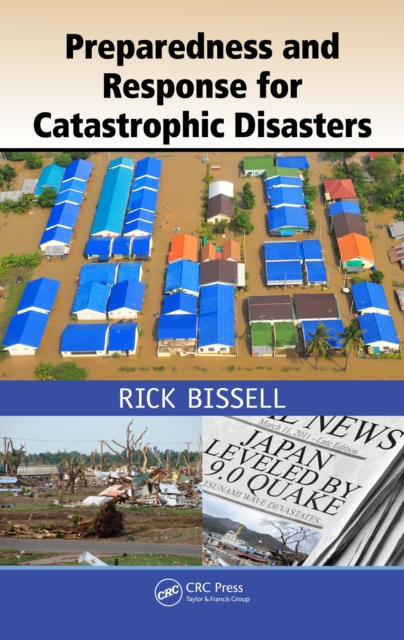
Based on a popular course for the FEMA Higher Education project, this volume provides important insight into plans to mitigate and respond to the devastation caused by large-scale catastrophic events.
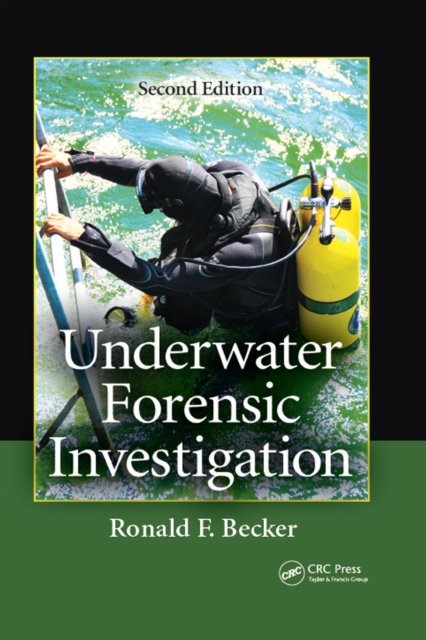
The evidence discovered at underwater crime scenes must be handled with the same attention to proper chain of custody procedures as with any other type of investigation.
The movement of humans across borders is increasing exponentially'some for benign reasons, others nefarious, including terrorism, human trafficking, and people smuggling.
PPR, LA GUERRA NO EST EN LA CALLE, expone de un modo atrevido, contundente y ameno, la realidad interna de la descomposicin moral y estructural que atraviesa la Polica de Puerto Rico.
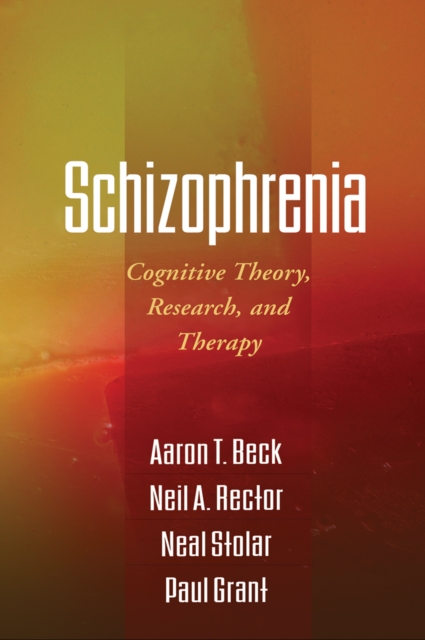
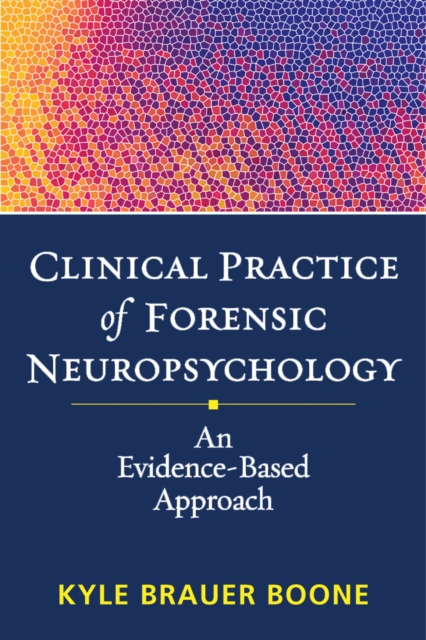
Written by a foremost expert in the field, this hands-on, evidence-based guide describes how to conduct a comprehensive forensic neuropsychological evaluation and provide expert testimony.
Widely used by practitioners, researchers, and students--and now thoroughly revised with 70% new material--this is the most authoritative, comprehensive book on malingering and other response styles.
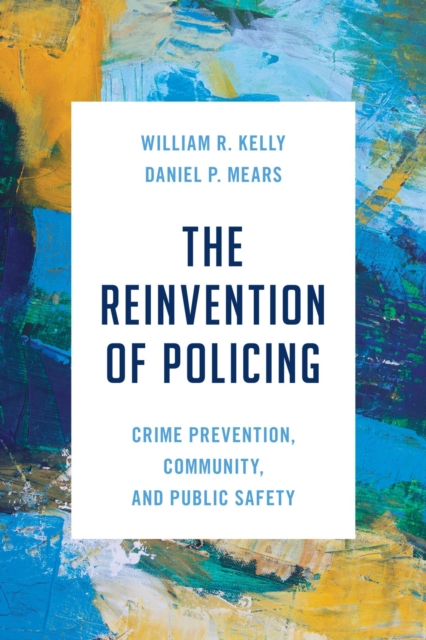
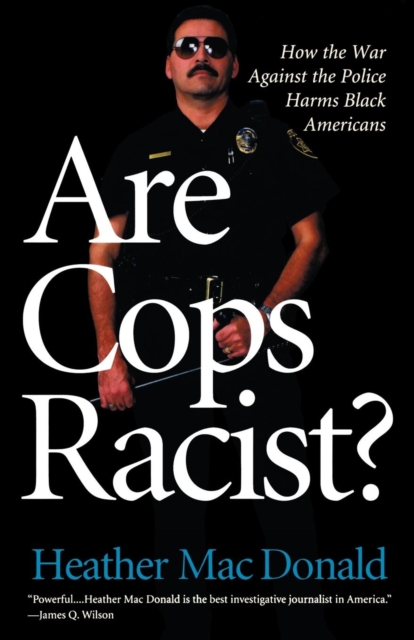
Written in an accessible style, this book provides a historically grounded critique of American policing and offers implementable solutions, providing students a comprehensive understanding of modern policing.
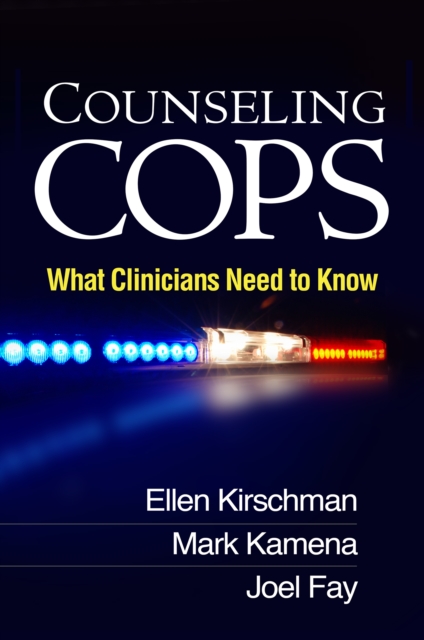
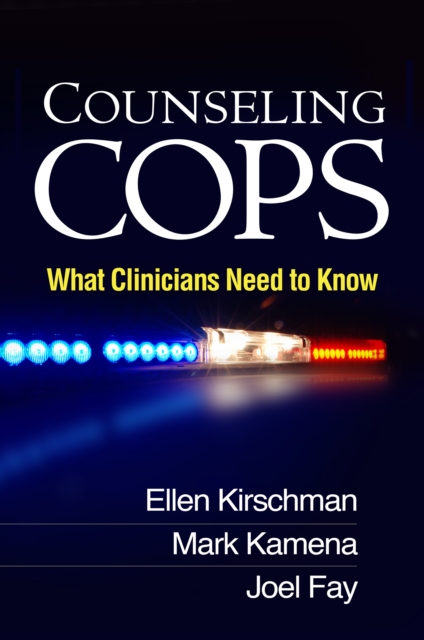
Grounded in clinical research, extensive experience, and deep familiarity with police culture, this book offers highly practical guidance for psychotherapists and counselors.
Grounded in clinical research, extensive experience, and deep familiarity with police culture, this book offers highly practical guidance for psychotherapists and counselors.
Written by a foremost expert in the field, this hands-on, evidence-based guide describes how to conduct a comprehensive forensic neuropsychological evaluation and provide expert testimony.