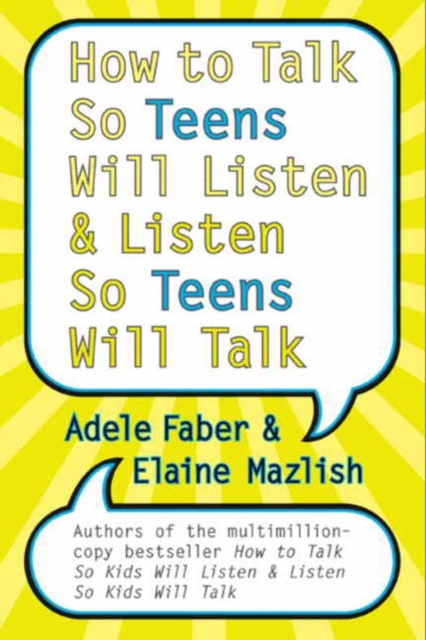
The renowned #1 New York Times bestselling authors share their advice and expertise with parents and teens in this accessible, indispensable guide to surviving adolescence.
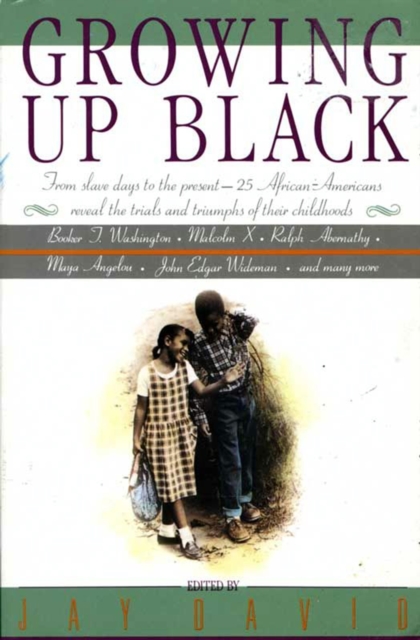
A classic work on the African-American experience is revised for the nineties with essays reflecting the concerns of black children from the last three decades and commentary from today's sports stars, politicians, and inner-city gang members.
Whether on water, pavement, or fluffy white powder, the history of surfing,skateboarding, and snowboarding is a landscape filled with rugged personalities, exotic locales, wild innovation, and most of all the united dream of becoming one with the oceans, streets, and mountains.
ONE OF THE MOST IMPORTANT SCIENTIFIC MEMOIRS OF OUR TIME When Napoleon Chagnon arrived in Venezuelas Amazon region in 1964 to study the Yanomam Indians, one of the last large tribal groups still living in isolation, he expected to find Rousseaus noble savages, so-called primitive people living contentedly in a pristine state of nature.
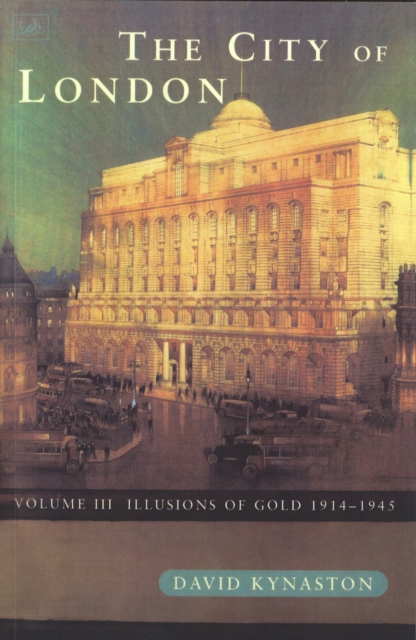
Illusions of Gold, the third volume of David Kynaston's magnificent quartet, The City of London, sweeps us from 1914 to 1945, through years of fluctuating fortunes that began with the City at an all-time high, and ended with the 'Square Mile' ravaged by bombs, at its lowest ebb ever.
'This book may help those who are susceptible to illnesses that can be prevented with proper nutrition' - His Holiness the Dalai LamaThe international bestseller, Dr Michael Greger's How Not To Die gives effective, scientifically-proven nutritional advice to prevent our biggest killers - including heart disease, breast cancer, prostate cancer, high blood pressure and diabetes - and reveals the astounding health benefits that simple dietary choices can provide.
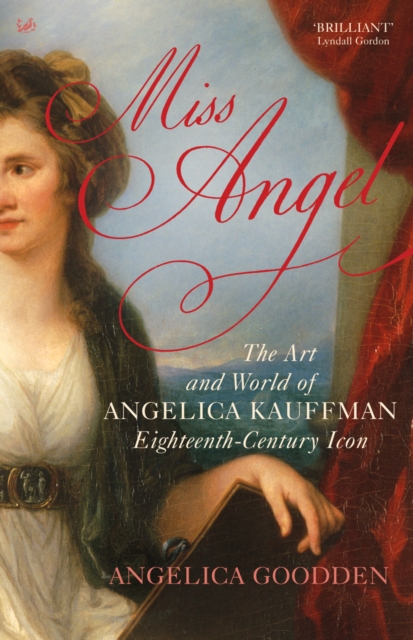
A word was coined to describe the condition of people stricken with a new kind of fever when the Swiss-born artist Angelica Kauffman (1741-1807) came to London in 1766.
In books lauded as brilliant, exhilarating and profound, Roberto Calasso has revealed the unexpected intersections of ancient and modern through topics ranging from Greek and Indian mythology to what a legendary African kingdom can tell us about the French Revolution.
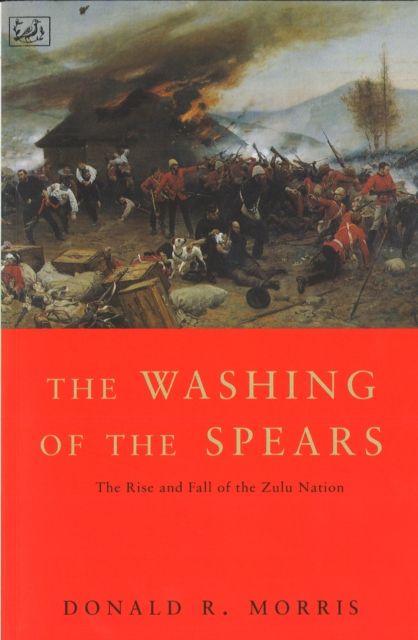
In 1879, armed only with their spears, their rawhide shields, and their incredible courage, the Zulus challenged the might of Victorian England and, initially, inflicted on the British the worst defeat a modern army has ever suffered at the hands of men without guns.
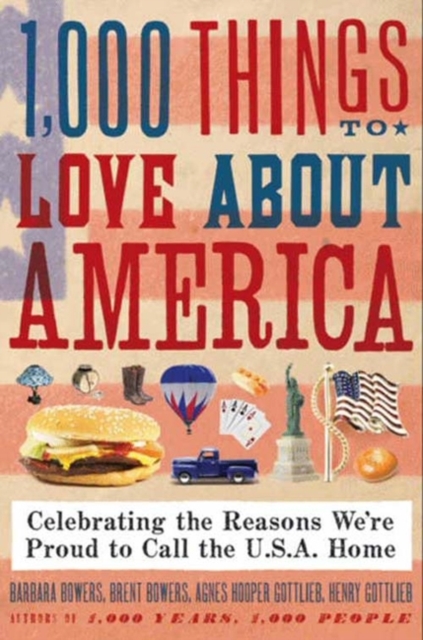
From journalists Agnes Hooper Gottlieb and Henry Gottlieb, and Brent Bowers and Barbara Bowers, the acclaimed co-authors of 1,000 Years, 1,000 People, comes a new book that celebrates the reasons were proud to call America homefrom jazz and the Gettysburg Address to baseball and the White Castle hamburger.
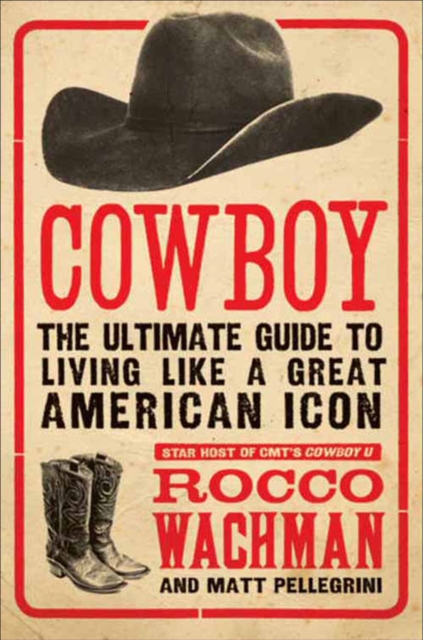
Celebrity host of CMT's Cowboy U Rocco Wachman's modern guide to being a cowboyCowboy: The Ultimate Guide to Living Like a Great American Icon is the first book to explore, through a pop-culture lens, the many facets of the cowboy life.
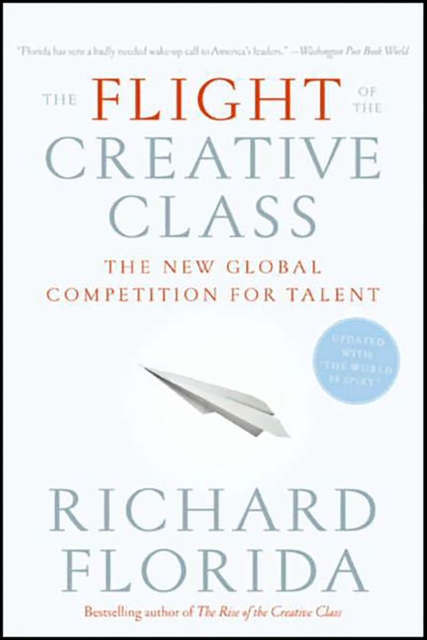
Research-driven and clearly written, bestselling economist Richard Florida addresses the growing alarm about the exodus of high-value jobs from the USA.
150 of the World's Funniest and Most Delightful Christmas CardsKaren Robert has spent the last several years tracking down the wonderful and wacky Christmas cards represented in this bookthe best out of tens of thousands she has reviewed.
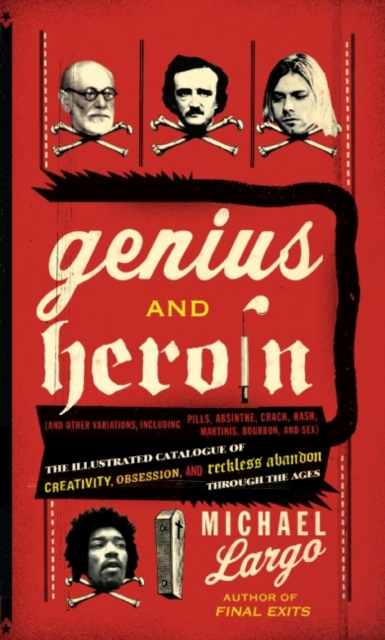
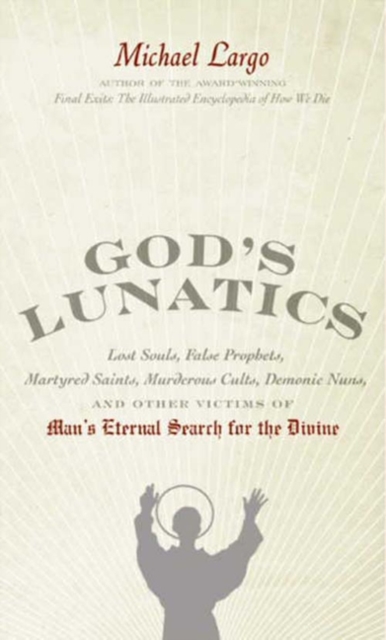
God's Lunatics is an eyebrow-raising encyclopedia of the strange and shocking side of history's religions, cults, and spiritual movements, by Michael Largo, the bestselling author of the Bram Stoker Award-winning Final Exits.
How to Live as Jesus LivedDallas Willard, one of today's most brilliant Christian thinkers and author of The Divine Conspiracy (Christianity Today's 1999 Book of the Year), presents a way of living that enables ordinary men and women to enjoy the fruit of the Christian life.
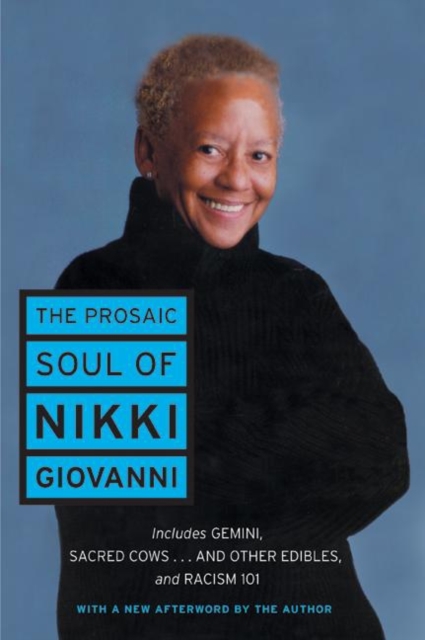
This omnibus edition collects celebrated poet and activist Nikki Giovannis adult prose: Racism 101, Sacred Cows and Other Edibles and seven (7) selections from Gemini: An Extended Autobiographical Statement on My First Twenty-Five Years of Being a Black Poet, which was nominated for the National Book Award in 1971.
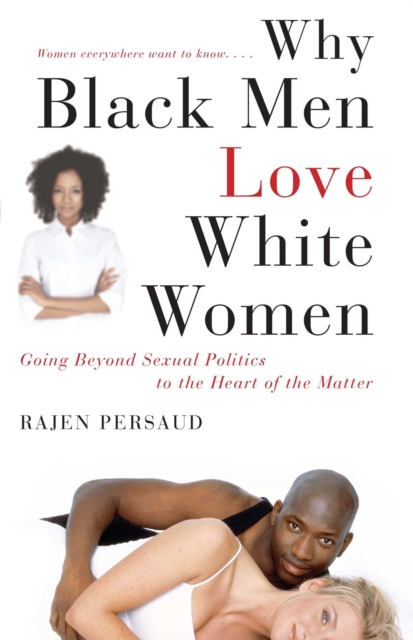
Rajen Persaud brings a refreshingly honest voice to the highly controversial topic of interracial dating as he explores the stereotypes and perceptions associated with it.
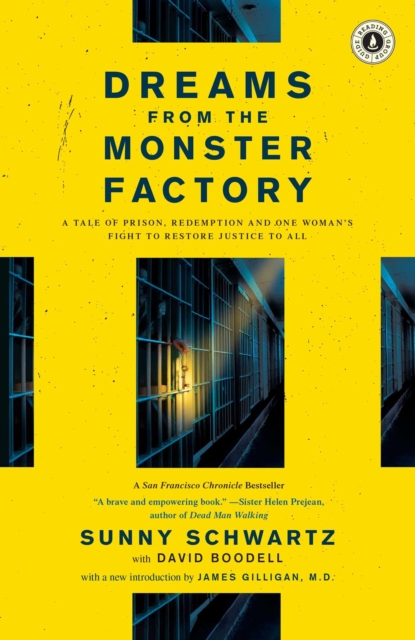
Dreams from the Monster Factory tells the true story of Sunny Schwartz's extraordinary work in the criminal justice system and how her profound belief in people's ability to change is transforming the San Francisco jails and the criminals incarcerated there.
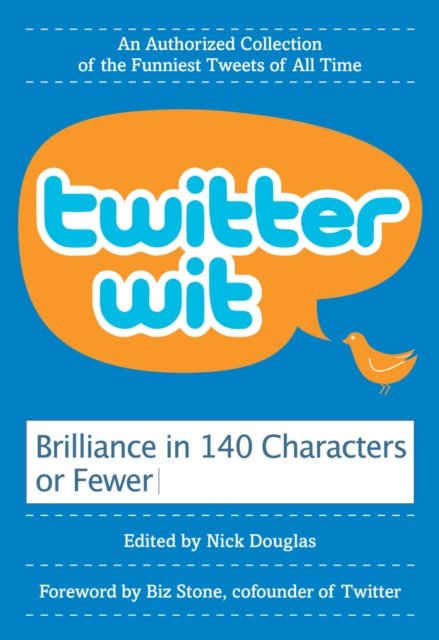
ThefirstauthorizedTwitter book,Twitter Witis a collectionof the most clever one-liners posted on the massively popular social networking and micro-blogging website.
THE SUNDAY TIMES BESTSELLERA BOOK OF THE YEAR PICK IN THE TIMES: 'Captivating'A ROUGH TRADE BOOK OF THE YEAR: 'In-depth and inspiring'Beautifully compiled .
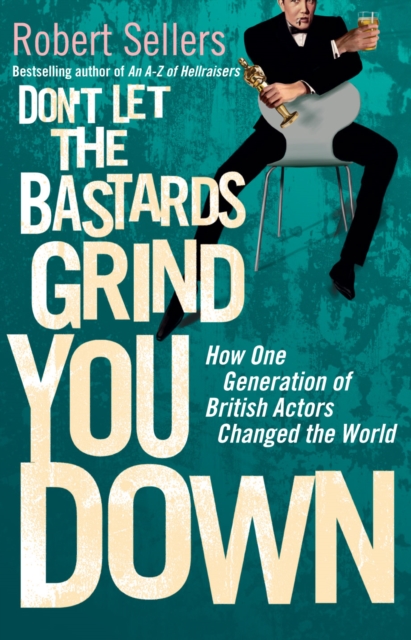
Alan Bates, Michael Caine, Sean Connery, Tom Courtenay, Albert Finney, Richard Harris, Peter O'Toole, Robert Shaw and Terence Stamp: They are the most formidable acting generation ever to tread the boards or stare into a camera, whose anti-establishment attitude changed the cultural landscape of Britain.
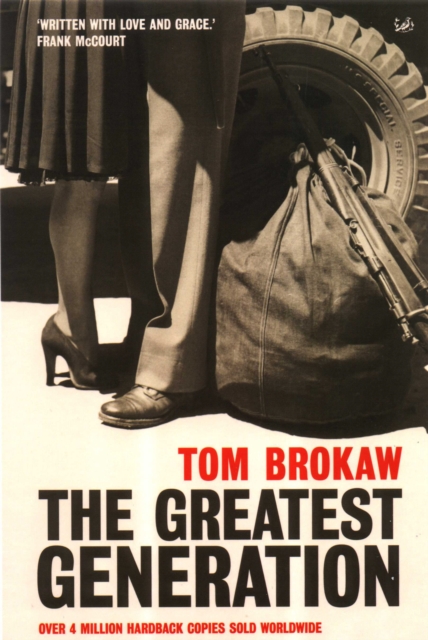
In this superb book, Tom Brokaw goes out into America, to tell through the stories of individual men and women the story of a generation - America's citizen heroes and heroines who came of age during the Great Depression and the Second World War and went on to build modern America.
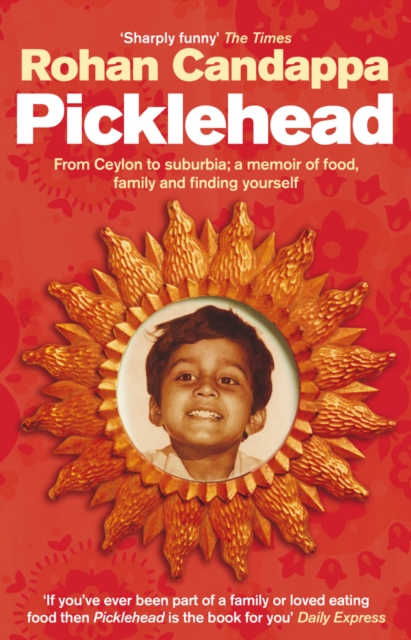
Rohan Candappa, author of bestselling humour books such as the Little Book of Stress and The Curious Incident of the Weapons of Mass Destruction, is the son of a Sri Lankan father and Burmese mother.