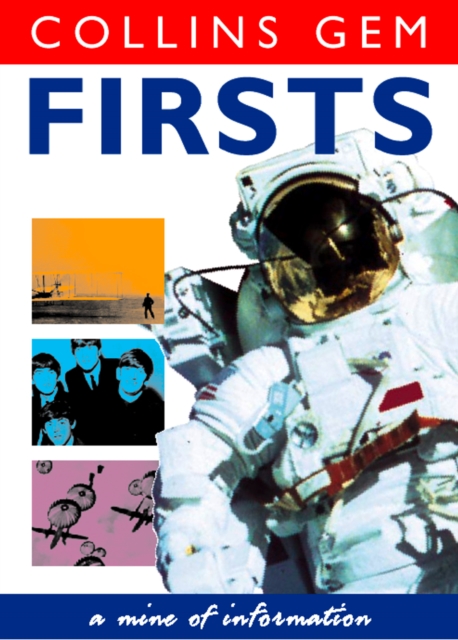
A highly entertaining, illustrated guide to a whole range of firsts, from the worlds of history, science, transport, society, the arts and sport, now in ebook format.
Nicht erst seit der Flüchtlingskrise im Herbst 2015 bewegen die Herausforderungen der Migration westliche Gesellschaften: Haben Staaten ein Recht, Menschen abzuweisen?
An omnibus containing Austin Mitchell's classic books THE HALF-GALLON QUARTER-ACRE PAVLOVA PARADISE and PAVLOVA PARADISE REVISITED, available for the first time in ebook.
A follow up to Mitchell's first book, THE HALF-GALLON QUARTER-ACRE PAVLOVA PARADISE, this witty, satirical description of life in 1980s New Zealand charts changes in Kiwi culture.
A witty, satirical description of life in 1960s New Zealand, and Kiwi culture, by Austin Vernon Mitchell MP, who was an extremely popular TV figure in New Zealand.
The companion to a series of lectures given by Lessing, winner of the Nobel Prize for Literature, in which she addresses some of the most important questions facing us today.
In the sequel to his bestselling JFK in Ireland, the Emerald Isle's favourite son delves into his country's past to celebrate the Irish people who through their skills and endeavours helped make the British Isles great.
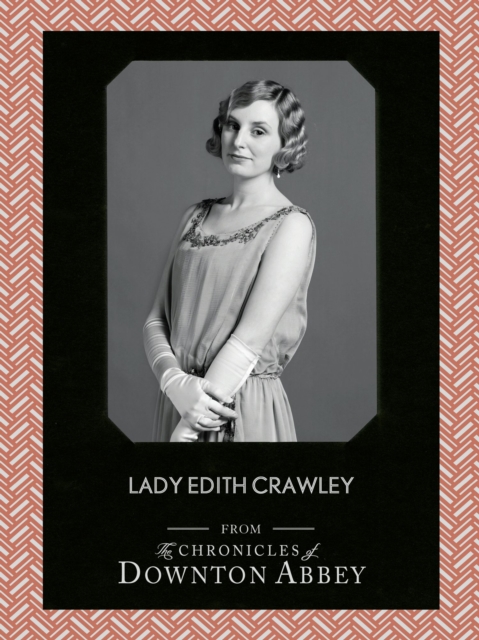
This richly illustrated short, extracted from the official book The Chronicles of Downton Abbey, focuses on the characters individually, examining their motivations, their actions and the inspirations behind them.
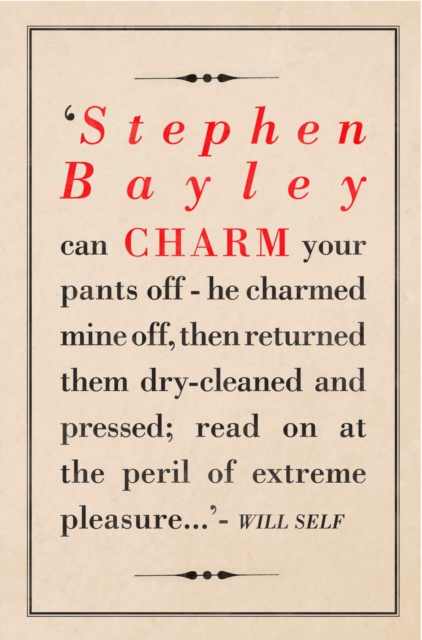
An informative, fun and rather charming essay on the nature and history of one of life's most desirable assets, Charm, by renowned culture and design critic, Stephen Bayley.
WINNER OF THE FORWARD PRIZE FOR BEST FIRST COLLECTIONChosen as a Book of the Year by New Statesman, Financial Times, Guardian, Observer, Rough Trade and the BBCShortlisted for the Rathbones Folio PrizeLonglisted for the Jhalak Prize'Restlessly inventive, brutally graceful, startlingly beautiful .
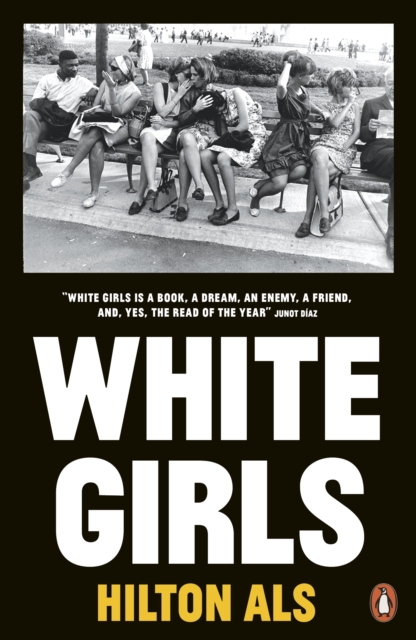
'I defy you to read this book and come away with a mind unchanged' John Jeremiah Sullivan'Als has a serious claim to be regarded as the next James Baldwin' Observer'I see how we are all the same, that none of us are white women or black men; rather, we're a series of mouths, and that every mouth needs filling: with something wet or dry, like love, or unfamiliar and savory, like love'White Girls is about, among other things, blackness, queerness, movies, Brooklyn, love (and the loss of love), AIDS, fashion, Basquiat, Capote, philosophy, porn, Louise Brooks and Michael Jackson.
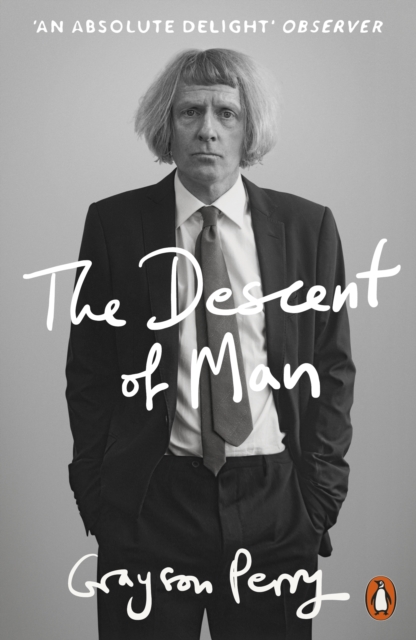
'Grayson Perry for King and Queen of England' Caitlin MoranGrayson Perry has been thinking about masculinity - what it is, how it operates, why little boys are thought to be made of slugs and snails - since he was a boy.
In this fascinating and illuminating work, Leonard Mlodinow guides us through the critical eras and events in the development of science, all of which, he demonstrates, were propelled forward by humankind's collective struggle to know.
From the author of Fast Food Nation, Eric Schlosser's Reefer Madness: and Other Tales from the American Underground follows the money to uncover made the country rich: porn, pot and exploitation.
Planet Earth needs a self-help book, and this is itThe future is happening to us far faster than we thought it would and this book explains whyFifty years after Marshall McLuhan's ground breaking book on the influence of technology on culture The Medium is the Massage, Shumon Basar, Douglas Coupland and Hans Ulrich Obrist extend the analysis to today, touring the world that's redefined by the Internet, decoding and explaining what they call the 'extreme present'.
Alexa Chung's IT: the Top Ten Bestseller from the international fashion muse and Vogue contributing editorNow a Penguin paperback, this one-off collection of Alexa Chung's writing, doodles and photographs combines stories of early style inspirations such as her grandpa and the Spice Girls with discussion of figures of obsession like Jane Birkin and Annie Hall, reflecting on heartbreak, how to get dressed in the morning, the challenges of taking a good selfie, and more.
In recent decades, we have witnessed an explosion in the number of visual images we encounter, as our lives have become increasingly saturated with screens.
A book which offers fresh perspectives on the scientific developments of the past hundred years through the complementary work of two of the century's greatest thinkers, Einstein and Freud.
What connects the "e;miracle on the Hudson"e; to the planning of the French railway system, or the mysterious outbreak of strange smells in downtown Manhattan to the invention of the Internet?
Sudhir Hazareesingh's How the French Think is a warm yet incisive exploration of the French intellectual tradition, and its exceptional place in a nation's identity and lifestyleWhy are the French an exceptional nation?
From the hugely respected journalist Miranda Sawyer, a very modern look at the midlife crisis - delving into the truth, and lies, of the experience and how to survive it, with thoughtfulness, insight and humour.
The full story of man's attempt to discover the moment that time began, from James Ussher's confident assertion in 1650 that the world was 5,654 years old to the Hubble Space telescope's images of a world 13 billion years old, with a starry cast of eccentrics, mystics, scientists and visonaries.