A defining manual on using creativity as a tool for empowerment and allowing your personal identity to live in and guide all parts of your life, Kevin Morosky shares stories and inspiration from the women who have most influenced his creative path and explores the ways we can pursue success by implementing their wisdom in all aspects of our lives.
Bennett explores the relationship between theatre and museums, looking particularly at the collaborative processes that intertwine these two cultural practices.
In the years 1922-1930 Brazil's political and cultural arenas were bestirred by distinct movements of protest and demand for change, forcing a great shift in the manner Brazilians perceived themselves and their country, and shaping a national climate of opinion which led to a revolution and substantial reforms.
One of the most profound thinkers of the twentieth century, Georges Bataille has only recently come to prominence in the Anglophone academy, partly through the influence of post-structuralism.
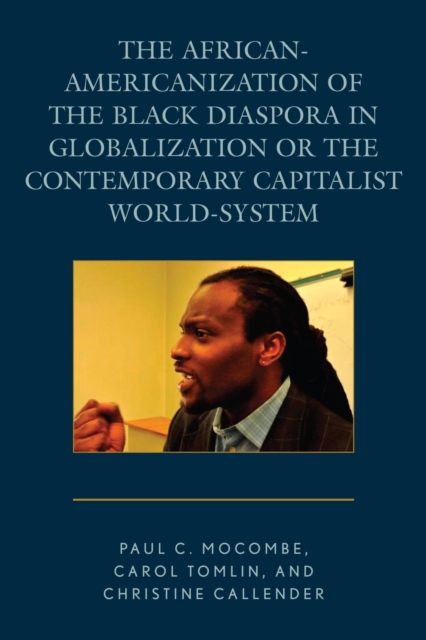
This work sets forth the argument that in the age of (neoliberal) globalization, black people around the world are ever-so slowly becoming "e;African-Americanized"e;.
This anthology of primary material brings together literary and non-literary texts from the 18th century focusing on issues including commerce and colonialism.
Universities in Decline examines the declining role of universities in policy generation and analyzes the increasing political influence of Washington-based institutions.
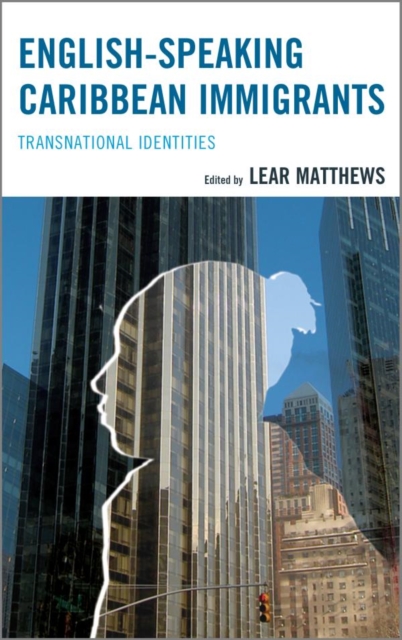
This book highlights important but insufficiently documented dimensions of the experience of English-speaking Caribbean immigrants in the United States.
Crazy Culture is a series of broadsides against many widely held misconceptions in both academe and the general public, who is often seen clustering under the politically correct banner of multiculturalism.
Using a mixed-method approach, Unintended Consequences of Human Actions documents a wide range of unintended and unanticipated consequences of human actions.
Communication, Culture, and Human Rights in Africa provides a comprehensive and interdisciplinary analysis of the interface between human rights and civil society, the media, gender, education, religion, health communication, and political processes in sub-Saharan Africa.
Flyover Country focuses on a group of baby boomers who graduated from high school in 1969 in the Midwest before setting off into the world in a time of turbulence to fight in Vietnam, to protest against that war, to find jobs, to have families, and to live lives throughout the United States and overseas.
From Balewa's declaration, 'Today is Independence Day,' to Azikiwe's impassioned plea, 'Let us bind the nation's wound and let us heal the breaches of the past so that in forging our nation there shall emerge on this continent a hate-free, fear-free, and greed-free people,' to Buhari's patriotic fervor, 'This generation [of Nigerians].
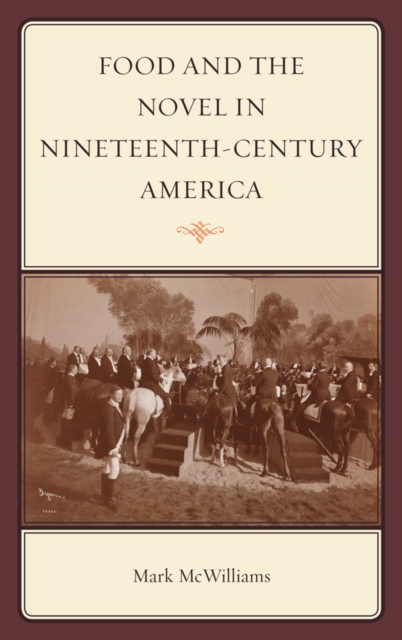
Food and the Novel in Nineteenth-Century America revolves around the 1840 presidential election when, according to campaign slogans, candidates were what they ate.
This book examines "e;eternal colonialism,"e; a term used to describe the policies that were designed by the Western world and the United States in order to keep most of the world in a permanently subordinate political, economic, social, and military state.
Balancing Public and Private Health Care Systems appears at a timely moment, given widespread current discussion about equity in healthy care and the role of the state in healthcare planning.
A Twentieth-Century Collision explores intellectual culture in the United States during the twentieth century, a topic which cannot be understood without attention to the gradual narrowing of the scope of (academic) philosophy and its diminishing influence.
From the author:When Citadel Values went to press, we began looking for an educational tool to capture the lessons and fortify our students in the greater world beyond the Lesesne Gate.
The text begins with a comprehensive theory of cuisine in the introduction and moves to the parallel culinary histories of Italy, Mexico, and China: the independent domestication of crops in each, the social, political, and technological developments that gave rise to each cuisine, and cooking in both professional and home settings.
In response to the events following September 11, a number of leading cultural studies and interpretive qualitative researchers write from their own experiences and hearts.
In The Unemployed Man and His Family, noted sociologist and feminist Mirra Komarovsky poses the question: what happens to the authority of the male head of the family when he fails as a provider?