'The book is a house of wonders' The New York Times'Steven Johnson is the Darwin of technology' Walter Issacson, author of Steve JobsWhat connects Paleolithic bone flutes to the invention of computer software?
A Sunday Times Book of the Year'Passionate and courageous, insightful and humane, funny and moving, this is a wonderful book' David Nicholls, author of One DayShortlisted for the Portico PrizeGraham Caveney was born in 1964 in Accrington: a town in the north of England, formerly known for its cotton mills, now mainly for its football team.
In a metropolis where customs are paramount, humility essential, the evil-eye feared and showing-off considered distasteful, how do people navigate the streams of tradition and modernity?
'Killing It combines three popular, profound topics: where our food comes from, how to achieve purpose in life and how to find lasting love' - Sunday TimesAfter a career spent writing about food, Camas Davis came to a realization: she had never forced herself to grapple with how it actually got to her plate.
A classic in its field, this comprehensive book introduces the core history of phenomenology and assesses its relevance to contemporary psychology, philosophy of mind, and cognitive science.
Since 2006, Henry Jenkins's Confessions of an Aca-Fan blog has hosted interviews in which academics, activists, and artists have shared their views on the changing media landscape.
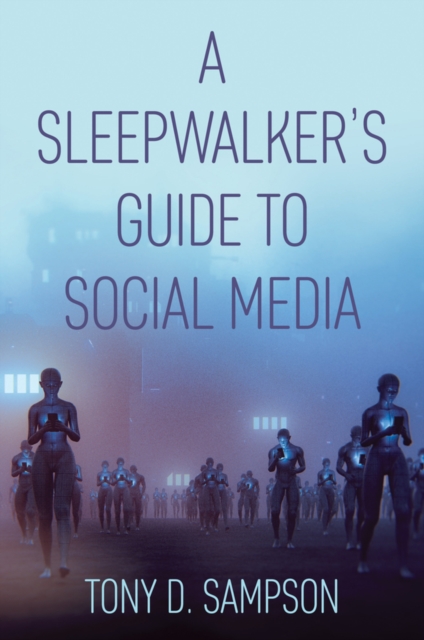
Positing online users as 'sleepwalkers', Tony Sampson offers an original and compelling approach for understanding how social media platforms produce subjectivities.
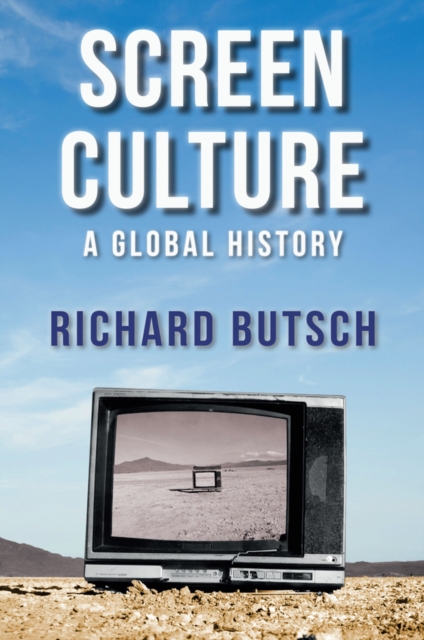
In this expansive historical synthesis, Richard Butsch integrates social, economic, and political history to offer a comprehensive and cohesive examination of screen media and screen culture globally from film and television to computers and smart phones as they have evolved through the twentieth and twenty-first centuries.
Emotions have long been neglected in media research, although their role is a vital ingredient in shaping our shared stories and the ways we engage with them.
J rgen Habermas is arguably the most influential social theorist and philosopher of the twentieth century, and his imprint on media and communication studies extends well into the twenty-first.
Born Liquid is the last work by the great sociologist and social theorist Zygmunt Bauman, whose brilliant analyses of liquid modernity changed the way we think about our world today.
Our daily lives, our culture and our politics are now shaped by the digital condition as large numbers of people involve themselves in contentious negotiations of meaning in ever more dimensions of life, from the trivial to the profound.
There is widespread concern today about the radicalization of young muslim men, and the deprived areas of Western cities are believed to have become breeding grounds of home-grown extremism.
The core of what we refer to as the project of modernity is the idea that human beings have the power to bring the world under their control, and hence it is based on a kinetic utopia : the movement of the world as a whole reflects the implementation of our plans for it.
In this book Jeffrey Alexander develops the view that cultural sociology and cultural pragmatics are vital for understanding the structural turbulence and political possibilities of contemporary social life.
Boasting trillion-dollar companies, the digital economy profits from our emotions, our relationships with each other, and the ways we interact with the world.
Media are central to our experiences and understandings of sex, whether in the form of familiar 'mainstream' genres, pornographies and other sex genres, or the new zones, interactions and technosexualities made possible by the internet and mobile devices.