Pulitzer Prize-winning investigative journalist James Ball takes us into the depths of the internet to trace the origins and rapid ascent of QAnon, the movement that mutated from a niche online conspiracy theory into the world's first digital pandemic.
This exciting book outlines the fascinating social psychology of false beliefs and tribal delusions, examining the common human tendency to create and maintain collectively shared belief systems that have no foundation in reality.
Ten-year anniversary edition with new introduction from the author and updated contentFive Star Reader Reviews"e;Captivating, necessary and enlightening.
The explosive, untold story of the Cold War's biggest secret from the bestselling author of NUCLEAR WAR: A SCENARIO'An extraordinary book' DAILY EXPRESS'Revelatory .
Discover this lyrical, sweeping and powerful book on the Bhutto family, an extraordinary, Kennedy-esque dynasty that is central to the story of modern Pakistan.
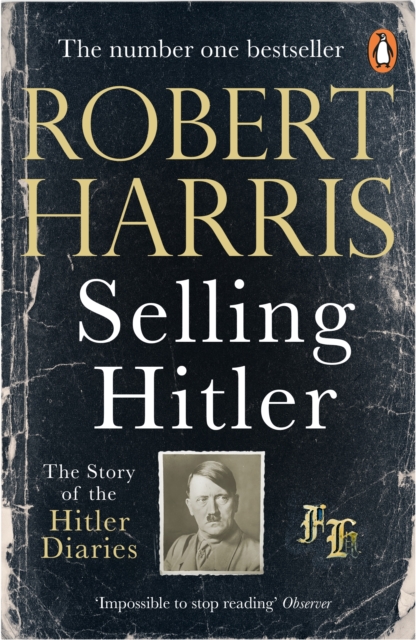
'Impossible to stop reading' OBSERVER'Thrilling, intricate and hilarious' DAILY MAILAPRIL 1945: From the ruins of Berlin, a Luftwaffe transport plane takes off carrying secret papers belonging to Adolf Hitler.
Fans of Scott Mariani, Ken Follett and Michael Connolly will love this riveting, fast-paced, high-tech thriller from the Sunday Times bestselling author John Twelve Hawks.
Beneath the outward appearance of legitimate government and accountable officials there lurk hidden agendas, shadowy personalities and special interest groups seeking to seize control of the nation for their own ends.
The dialogue between theology and science has blossomed in recent decades, but particular beliefs about Jesus Christ have not often been brought to the forefront of this interdisciplinary discussion even in explicitly Christian contexts.
The dialogue between theology and science has blossomed in recent decades, but particular beliefs about Jesus Christ have not often been brought to the forefront of this interdisciplinary discussion even in explicitly Christian contexts.
This title was first published in 2000: The author examines and critiques Pannenberg's elaboration of hermeneutics and evaluates his use of the sciences against the background of modernity.
This title was first published in 2000: The author examines and critiques Pannenberg's elaboration of hermeneutics and evaluates his use of the sciences against the background of modernity.
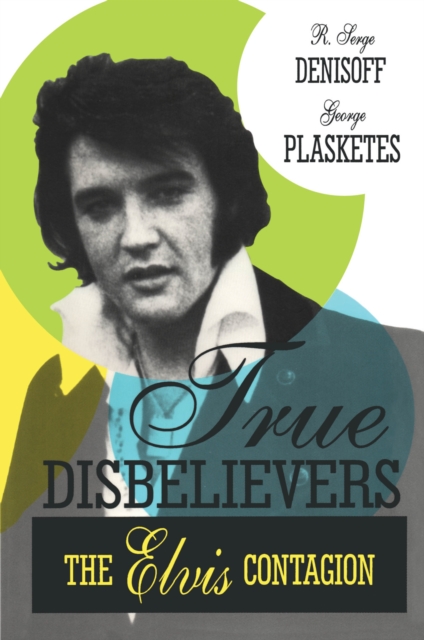
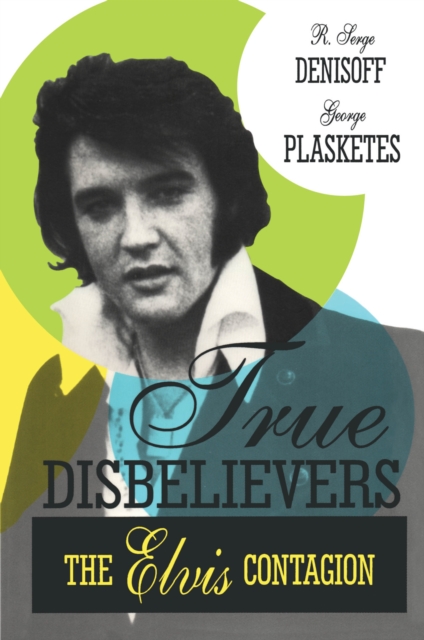
The legion of fans who refuse to believe that Elvis Presley died August 16, 1977 has been a major force behind the ever-expanding, elusive, and enduring Elvis myth during the past seventeen years.
The legion of fans who refuse to believe that Elvis Presley died August 16, 1977 has been a major force behind the ever-expanding, elusive, and enduring Elvis myth during the past seventeen years.
'Religion as Magical Ideology' examines the relationship between rationality and supernatural beliefs arguing that such beliefs are products of evolution, cognition and culture.
'Religion as Magical Ideology' examines the relationship between rationality and supernatural beliefs arguing that such beliefs are products of evolution, cognition and culture.
Written in the late 1950s at the height of popular fascination with UFO's, Flying Saucers is the great psychologist's brilliantly prescient meditation on the phenomenon that gripped the world.
Written in the late 1950s at the height of popular fascination with UFO's, Flying Saucers is the great psychologist's brilliantly prescient meditation on the phenomenon that gripped the world.
In this challenging and provocative book, Steve Fuller contends that our continuing faith in science in the face of its actual history is best understood as the secular residue of a religiously inspired belief in divine providence.
In this challenging and provocative book, Steve Fuller contends that our continuing faith in science in the face of its actual history is best understood as the secular residue of a religiously inspired belief in divine providence.
In 1981 Robert John Russell founded what would become the leading center of research at the interface of science and religion, the Center for Theology and the Natural Sciences.
In 1981 Robert John Russell founded what would become the leading center of research at the interface of science and religion, the Center for Theology and the Natural Sciences.