A folklorist and ethnographer who has written about the Southern Appalachians, African American communities in the United States, and the West Indies, Roger D.
Winner of the 2007 Gray's Lake FCBC Book AwardFor centuries, eyewitnesses around the worldfrom America to Africa, Argentina to Scotlandhave reported sightings of dark, mysterious creatures in area lakes that surface briefly, only to quickly disappear.
Here between two covers you will find an inexhaustible source of delight for children and adults alike: the world''s best folktales, chosen by the internationally known storyteller Jane Yolen.
Archetypal symbols in ancient myths as well as the folktales, nursery stories, and fairytales of the Middle Ages are the blueprints of modern fantasy literature.
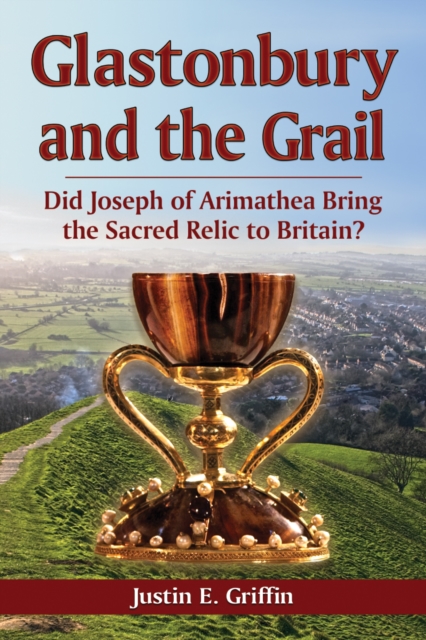
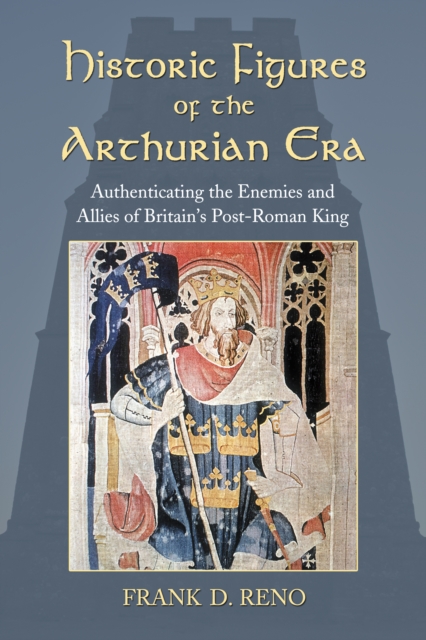
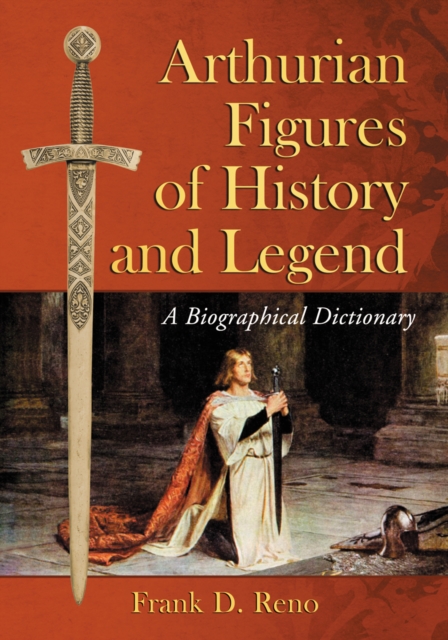
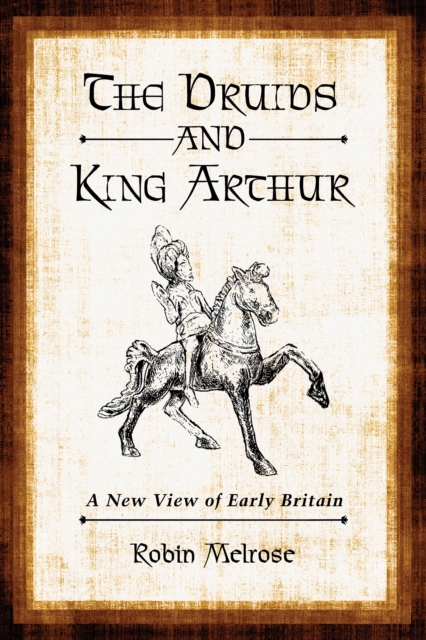
The author has determined in an earlier McFarland book (The Historic King Arthur, 1996, paperback 2007) that there was not a historic King Arthur during the sixth century.
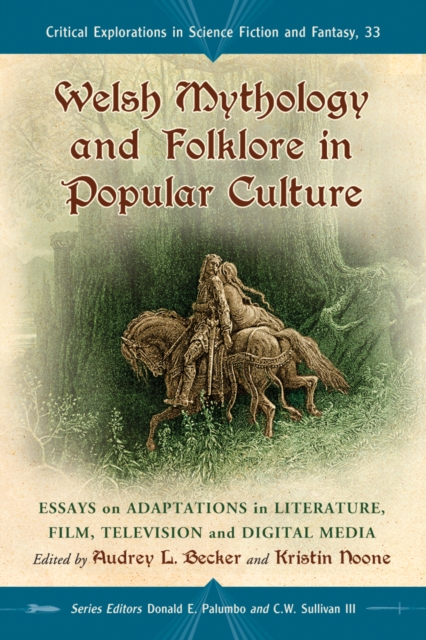
Examining how we interpret Welshness today, this volume brings together fourteen essays covering a full range of representations of Welsh mythology, folklore, and ritual in popular culture.
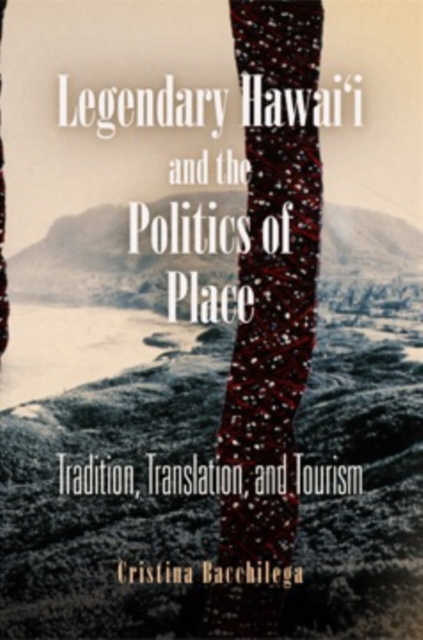
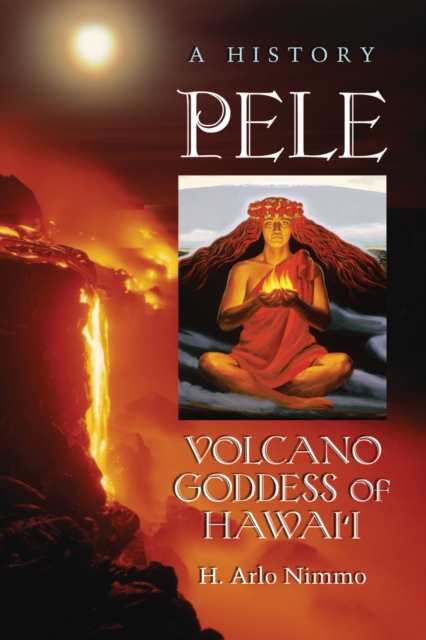
When the first Europeans arrived in the Hawaiian Islands in 1778, the volcano goddess Pele was the central deity of a complex religion in the volcano districts of Hawai'i Island.
A first edition of The Halloween Encyclopedia was published by McFarland in 2003 (Booklist: "e;a worthy addition to public and school libraries as well as the reference shelves of journalists and leaders of community events"e;); it was the first encyclopedic reference book on the cultural phenomenon (which also deals with such related holidays as Britain's Guy Fawkes Day, Mexico's Dia de los Muertos, or Day of the Dead, and the Celtic celebration Samhain).
The Baganda people of Uganda enjoy an extraordinarily rich oral tradition, which serves as a window into their culture, history, and experiences as a people.
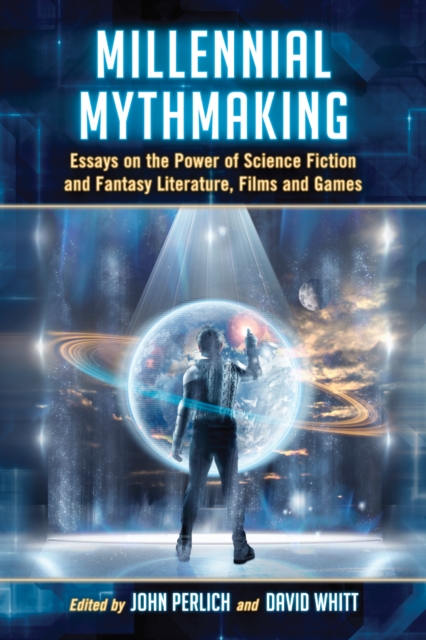
Contemporary myths, particularly science fiction and fantasy texts, can provide commentary on who we are as a culture, what we have created, and where we are going.
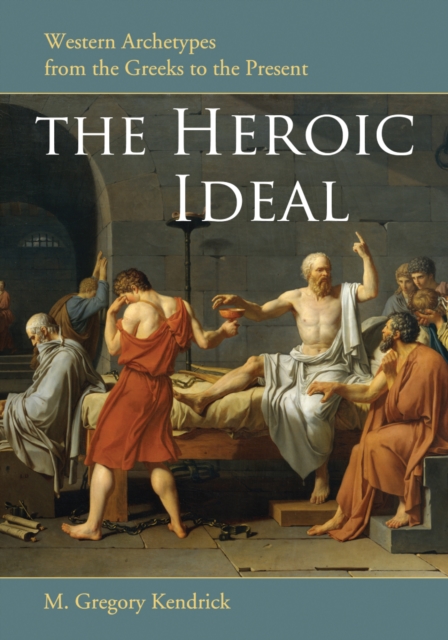
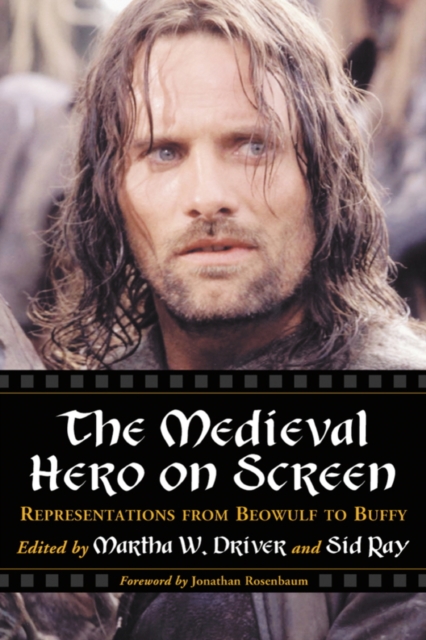
The word "e;hero"e; seems in its present usage, an all-purpose moniker applied to everyone from Medal of Honor recipients to celebrities to comic book characters.
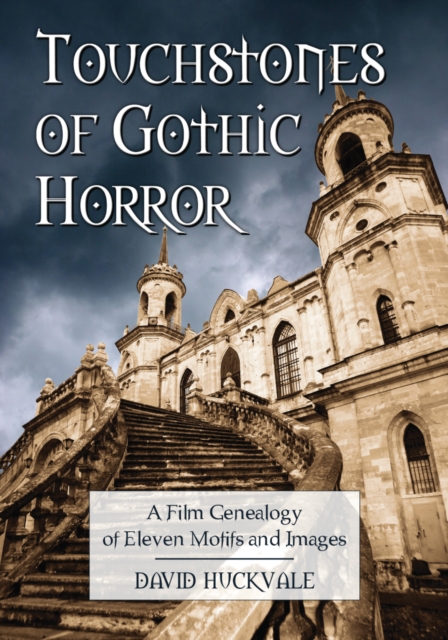
Gothic cinema, typified by the films of Universal, Hammer, Amicus and Tigon, grew out of an aesthetic that stretches back to the 18th century and beyond, even to Shakespeare.
An exploration into the beliefs and origins of the Druids, this book examines the role the Druids may have played in the story of King Arthur and the founding of Britain.
By the 12th century, European literature was rich with tales of a procession carrying a group of objects closely tied to the Passion of Christ--the Holy Grail, the lance that pierced Christ's side, the sword used to behead John the Baptist, and a dish from the Last Supper.
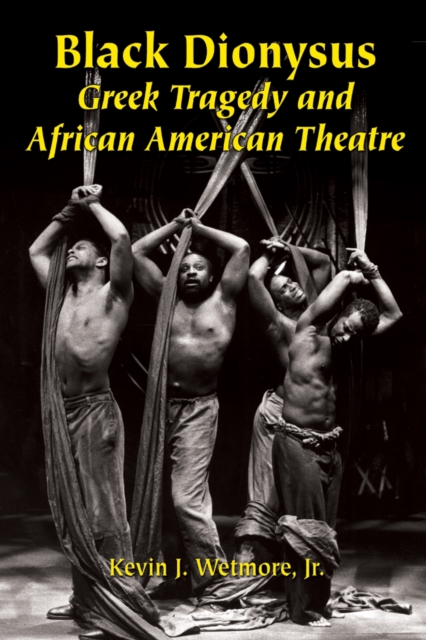
Many playwrights, authors, poets and historians have used images, metaphors and references to and from Greek tragedy, myth and epic to describe the African experience in the New World.
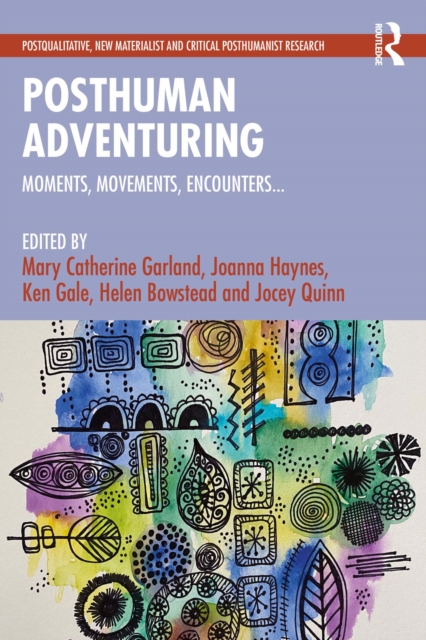
Posthuman Adventuring immerses readers in a transdisciplinary methodology that merges images and sounds to inspire ongoing dialogue and provoke imaginative inquiry.
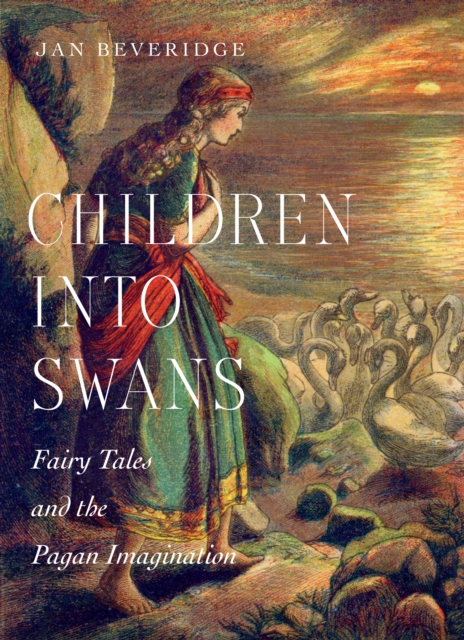
Fairy tales are alive with the supernatural - elves, dwarfs, fairies, giants, and trolls, as well as witches with magic wands and sorcerers who cast spells and enchantments.
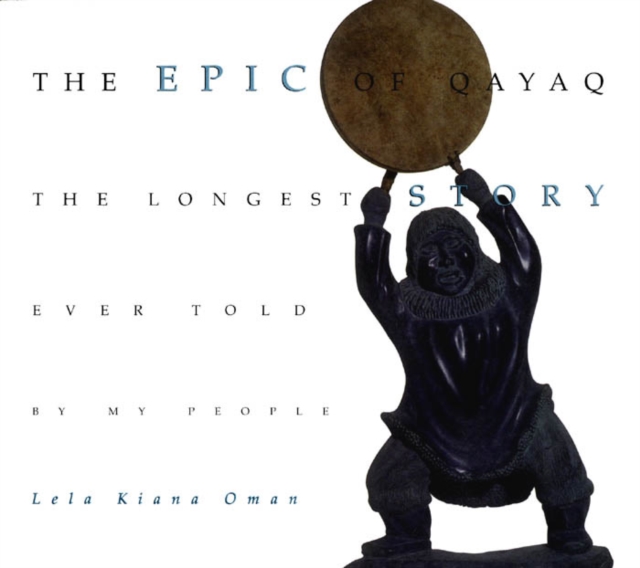
This is a splendid presentation of an ancient northern story cycle, brought to life by Lela Kiana Oman, who has been retelling and writing the legends of the Inupiat of the Kobuk Valley, Alaska, nearly all her adult life.
Outsiders to the culture have long focused on the physical artifacts of shamanism - like the costume and drum - and on ritual healing practices, but far less is known about the images shamans and storytellers use to entertain, heal, and educate.
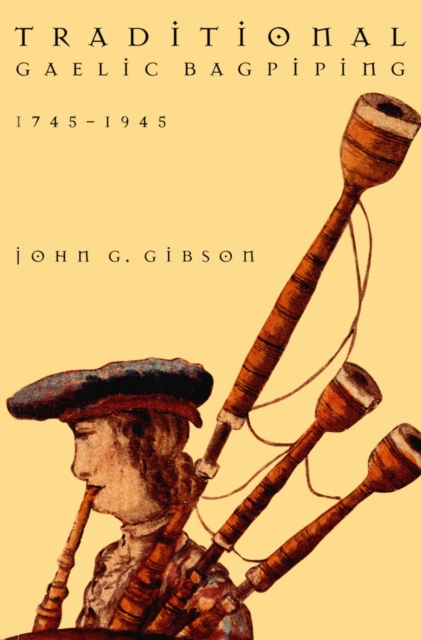
The bagpipe is one of the cultural icons of Scottish highlanders, but in the twentieth century traditional Scottish Gaelic piping has all but disappeared.
There is an emphasis on de-constructing, de-centring, de-stabilizing, and especially de-mythologizing in the study that illustrates New World myth narrators questioning the past in the present and carrying out their original investigations of myth, place, and identity.
Kathleen Wall traces the myth through fifteen works of English, American, and Canadian literature, providing a fresh, feminist reading of these narratives.