The Indo-Europeans, speakers of the prehistoric parent language from which most European and some Asiatic languages are descended, most probably lived on the Eurasian steppes some five or six thousand years ago.
Each chapter of this book takes as its starting point a myth, a legend, a story or a fable, and explores its contemporary relevance for a world of globalization, organizations and, consumerism.
Skaldic Verse and the Poetics of Saga Narrative is a study of the varying relationships between verse and prose in a series of Old Norse-Icelandic saga narratives.
This book suggests that the Old English epic Beowulf was composed in the winter of 826-7 as a requiem for King Beornwulf of Mercia on behalf of Wiglaf, the ealdorman who succeeded him.
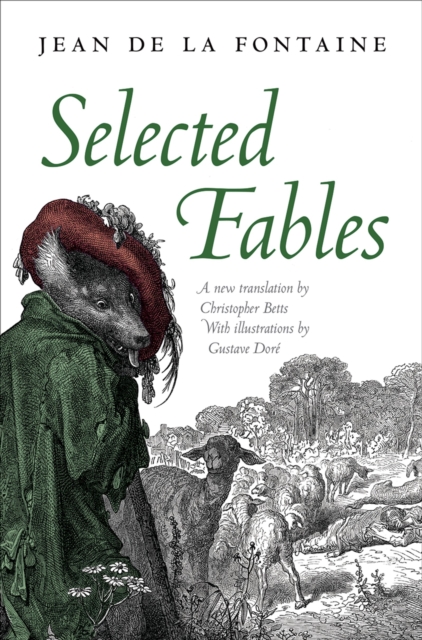
La Fontaine's verse fables turned the traditional folktales derived from Aesop and a range of Oriental sources into some of the greatest, and best-loved, poetic work in French.
La Fontaine's verse fables turned the traditional folktales derived from Aesop and a range of Oriental sources into some of the greatest, and best-loved, poetic work in French.
The dissemination of classical material to children has long been a major form of popularization with far-reaching effects, although until very recently it has received almost no attention within the growing field of classical reception studies.
The dissemination of classical material to children has long been a major form of popularization with far-reaching effects, although until very recently it has received almost no attention within the growing field of classical reception studies.
Homer and the Poetics of Hades offers a new and unique approach to the Iliad and, more particularly, the Odyssey through an exploration of the role and function of the Underworld as a poetic resource permitting an alternative perspective on the epic past.
Homer and the Poetics of Hades offers a new and unique approach to the Iliad and, more particularly, the Odyssey through an exploration of the role and function of the Underworld as a poetic resource permitting an alternative perspective on the epic past.
Myths of the Underworld in Contemporary Culture: The Backward Gaze examines a series of twentieth and twenty-first century fictional works that adapt Greco-Roman myths of the catabasis, the heroic journey to the underworld.
The powerful gods of Greece, Rome, and Scandinavia, the more mystical deities of Buddhist and Hindu India, and the stern spirits of the African and American continents all reflect very different civilizations, yet they also demonstrate the unity of mankind in its fundamental need for explanations of the unknown.
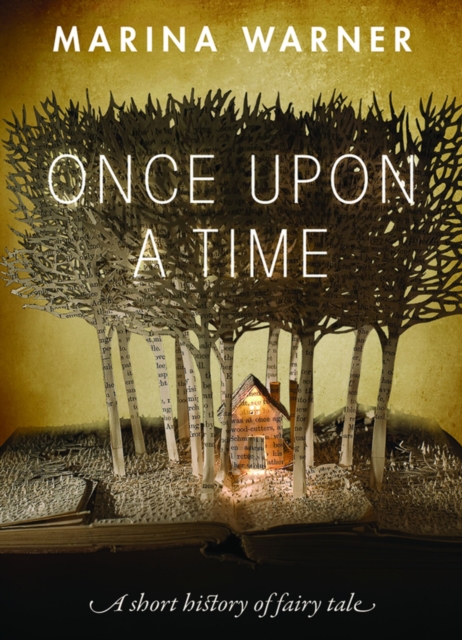
From wicked queens, beautiful princesses, elves, monsters, and goblins, to giants, glass slippers, poisoned apples, magic keys, and mirrors, the characters and images of fairy tales have cast a spell over readers and audiences, both adults and children, for centuries.
From wicked queens, beautiful princesses, elves, monsters, and goblins, to giants, glass slippers, poisoned apples, magic keys, and mirrors, the characters and images of fairy tales have cast a spell over readers and audiences, both adults and children, for centuries.
This volume takes as its subject one of the most important Greek poems of the Hellenistic period: the Alexandra attributed to Lykophron, probably written in about 190 BC.
From wicked queens, beautiful princesses, elves, monsters, and goblins to giants, glass slippers, poisoned apples, magic keys, and mirrors, the characters and images of fairy tales have cast a spell over readers and audiences, both adults and children, for centuries.
From wicked queens, beautiful princesses, elves, monsters, and goblins to giants, glass slippers, poisoned apples, magic keys, and mirrors, the characters and images of fairy tales have cast a spell over readers and audiences, both adults and children, for centuries.
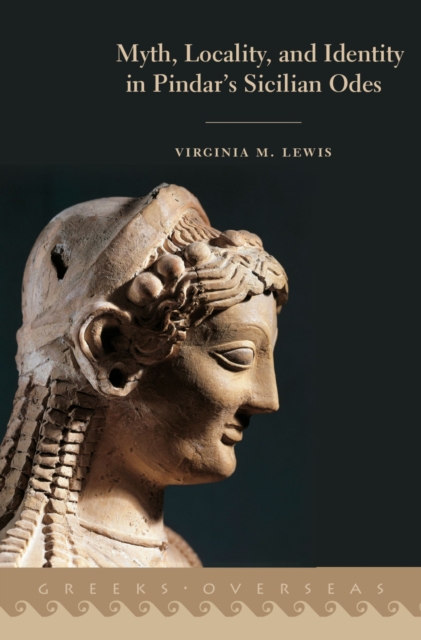
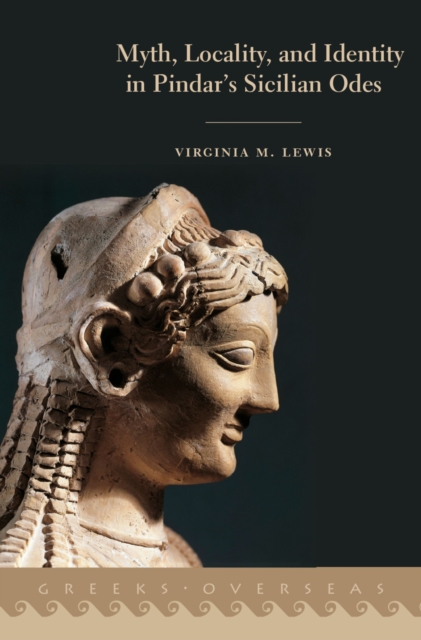
Myth, Locality, and Identity argues that Pindar engages in a striking, innovative style of mythmaking that represents and shapes Sicilian identities in his epinician odes for Sicilian victors in the fifth century BCE.
Myth, Locality, and Identity argues that Pindar engages in a striking, innovative style of mythmaking that represents and shapes Sicilian identities in his epinician odes for Sicilian victors in the fifth century BCE.
The Oxford Handbook of American Folklore and Folklife Studies surveys the materials, approaches, concepts, and applications of the field to provide a sweeping guide to American folklore and folklife, culture, history, and society.
The Oxford Handbook of American Folklore and Folklife Studies surveys the materials, approaches, concepts, and applications of the field to provide a sweeping guide to American folklore and folklife, culture, history, and society.
From the beautiful apsaras of Hindu myth to the swan maidens of European fairy tales, stories of flying women-some carried by wings, others by clouds, rainbows, floating scarves, and flying horses-reveal the perennial fascination with and ambivalence about female power and sexuality.
From the beautiful apsaras of Hindu myth to the swan maidens of European fairy tales, stories of flying women-some carried by wings, others by clouds, rainbows, floating scarves, and flying horses-reveal the perennial fascination with and ambivalence about female power and sexuality.
This book explores Icelandic spirit work, known as andleg mal, which features trance and healing practices that span earth and spirit realms, historical eras, scientific and supernatural worldviews, and cross-Atlantic cultures.
This book explores Icelandic spirit work, known as andleg mal, which features trance and healing practices that span earth and spirit realms, historical eras, scientific and supernatural worldviews, and cross-Atlantic cultures.
Roark Bradford's 1931 novel and 1939 play dealing with the legendary folk-hero John Henry (both titled John Henry) were extremely influential in their own time but have long been unavailable or extremely hard to find.
Minos and the Moderns considers three mythological complexes that enjoyed a unique surge of interest in early twentieth-century European art and literature: Europa and the bull, the minotaur and the labyrinth, and Daedalus and Icarus.
Cave paintings at Lascaux, France and Altamira, Spain, fraught with expression thousands of years later; point to an early human desire to form a cultural identity.
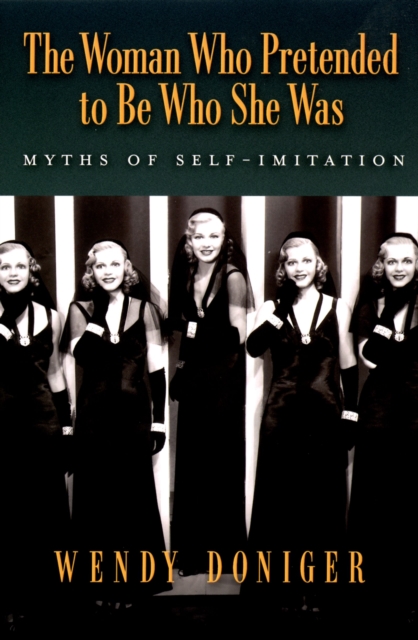
Many cultures have myths about self-imitation, stories about people who pretend to be someone else pretending to be them, in effect masquerading as themselves.
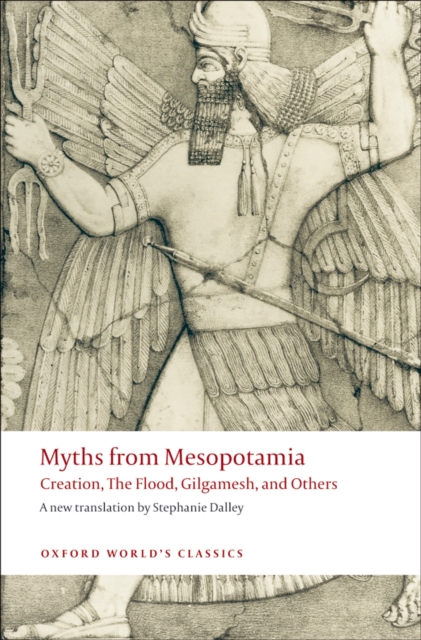
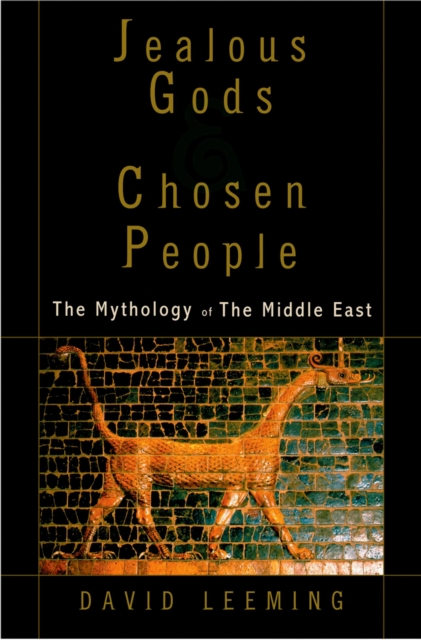
Esteemed scholar David Leeming, who has authored more than twelve books on mythology, here offers the first comprehensive narrative study of the mythology of the Middle East, that tumultuous region that was the cradle of civilization.
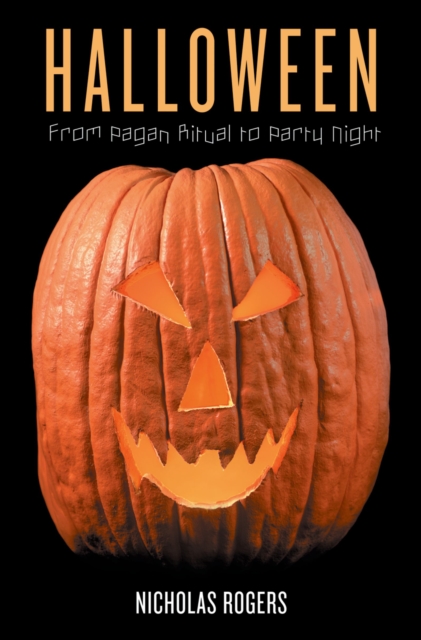
Boasting a rich, complex history rooted in Celtic and Christian ritual, Halloween has evolved from ethnic celebration to a blend of street festival, fright night, and vast commercial enterprise.