The story of Noah's flood is one of the best-loved and most often retold biblical tales, the inspiration for numerous children's books and toys, novels, and even films.
Drawn from Oxford''s acclaimed International Encyclopedia of Communications, published jointly with the Annenberg School of Communications at the University of Pennsylvania, Folklore, Cultural Performances, and Popular Entertainments offers all the articles on folklore and drama as well as related articles on verbal and non-verbal communication, music, and history.
In Baseball: The People's Game, Dorothy Seymour Mills and Harold Seymour produce an authoritative, multi-volume chronicle of America's national pastime.
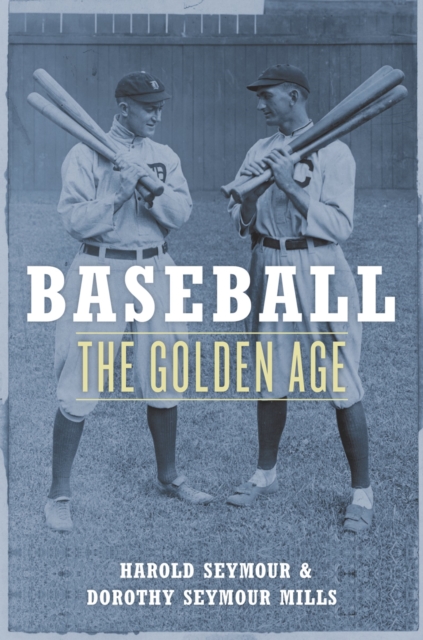
In Baseball: The Golden Age, Harold Seymour and Dorothy Seymour Mills explore the glorious era when the game truly captured the American imagination, with such legendary figures as Babe Ruth and Ty Cobb in the spotlight.
Drawn from Oxford''s acclaimed International Encyclopedia of Communications, published jointly with the Annenberg School of Communications at the University of Pennsylvania, Folklore, Cultural Performances, and Popular Entertainments offers all the articles on folklore and drama as well as related articles on verbal and non-verbal communication, music, and history.
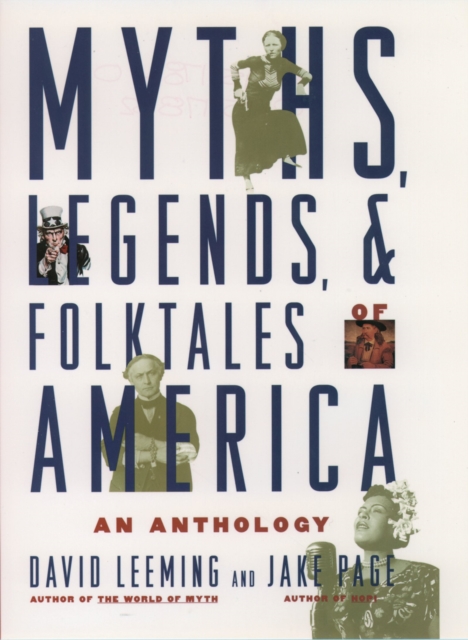
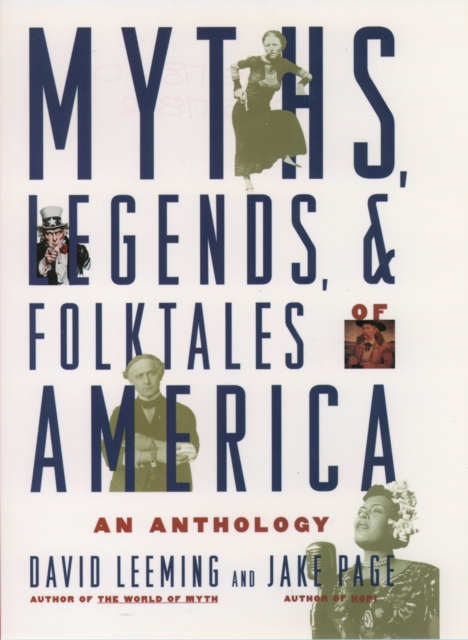
In this marvelous collection, David Leeming and Jake Page have gathered together the great myths and legends of America, ranging from the creation stories of the first inhabitants, to the tall-tales of the Western frontier, to the legendary outlaws of the 1920s.
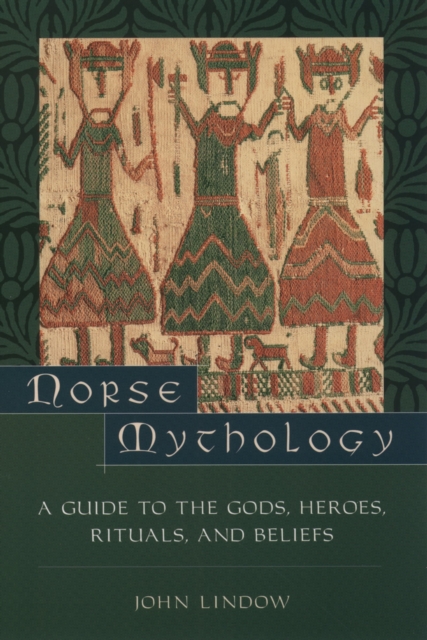
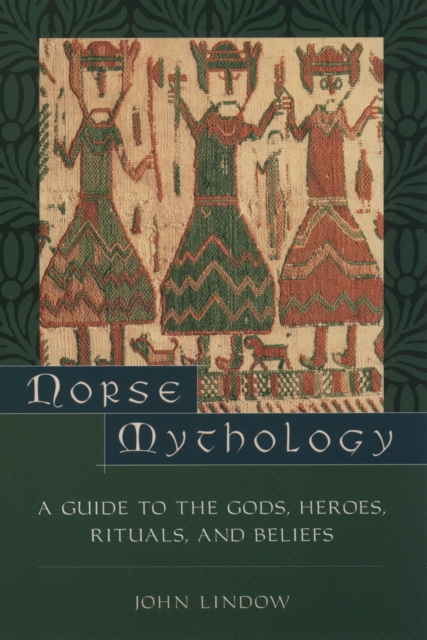
Norse Mythology explores the magical myths and legends of Norway, Sweden, Denmark, Iceland and Viking-Age Greenland and outlines the way the prehistoric tales and beliefs from these regions that have remained embedded in the imagination of the world.
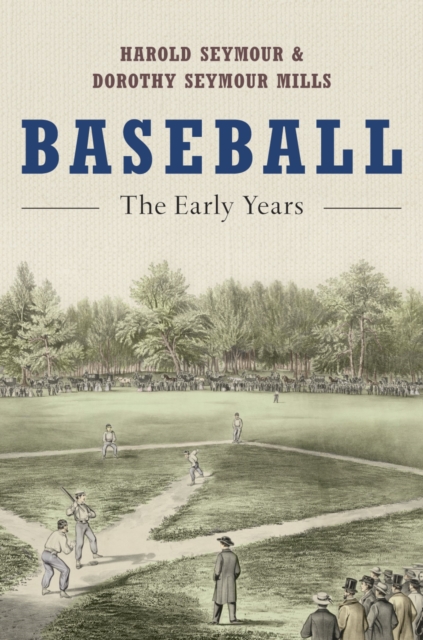
Now available in paperback, Harold Seymour and Dorothy Seymour Mills' Baseball: The Early Years recounts the true story of how baseball came into being and how it developed into a highly organized business and social institution.
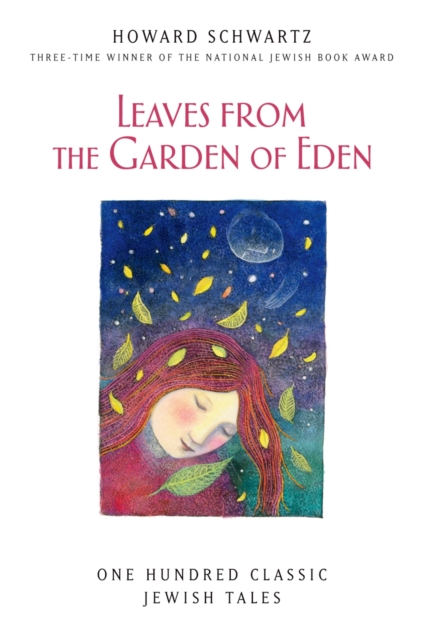
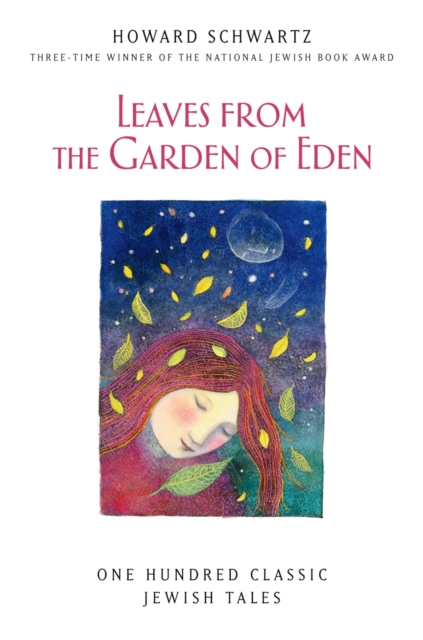
In Leaves from the Garden of Eden, Howard Schwartz, a three-time winner of the National Jewish Book Award, has gathered together one hundred of the most astonishing and luminous stories from Jewish folk tradition.
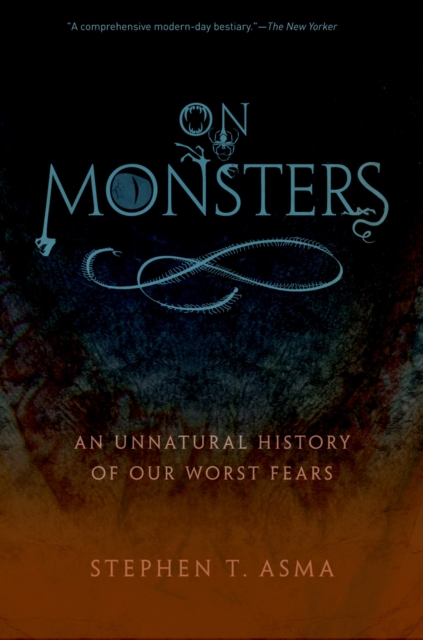
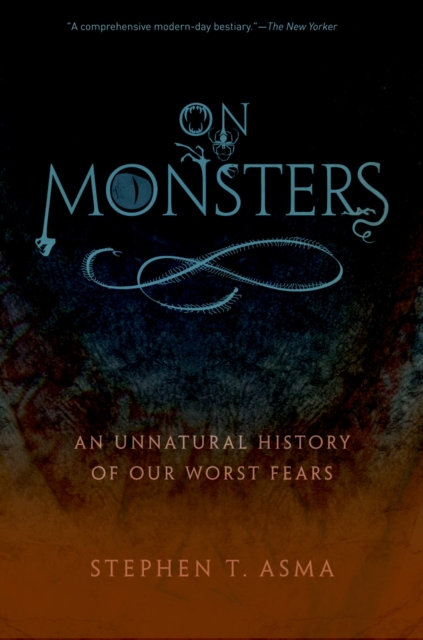
Hailed as "e;a feast"e; (Washington Post) and "e;a modern-day bestiary"e; (The New Yorker), Stephen Asma's On Monsters is a wide-ranging cultural and conceptual history of monsters--how they have evolved over time, what functions they have served for us, and what shapes they are likely to take in the future.
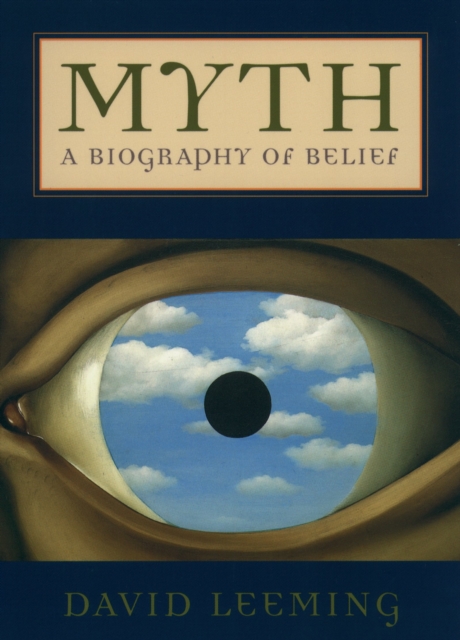
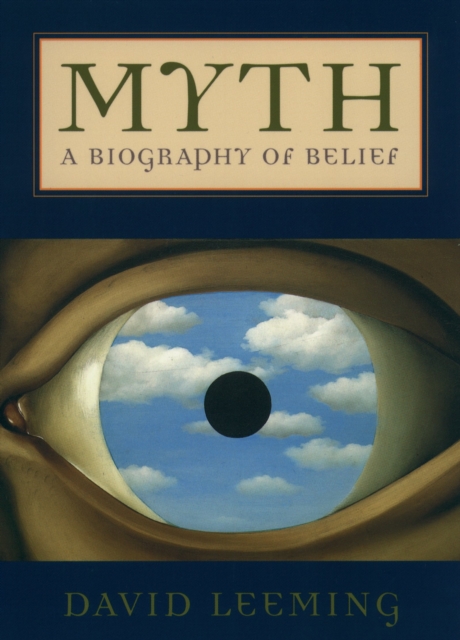
Exploring classic works such as the Song of Songs, the Tao Te Ching, the Rg Veda, the New Testament, and the Indonesian myth of Hainuwele, Myth: A Biography of Belief reveals the cultural energies that ancient "e;mythmakers"e; sought to corral in their creations.
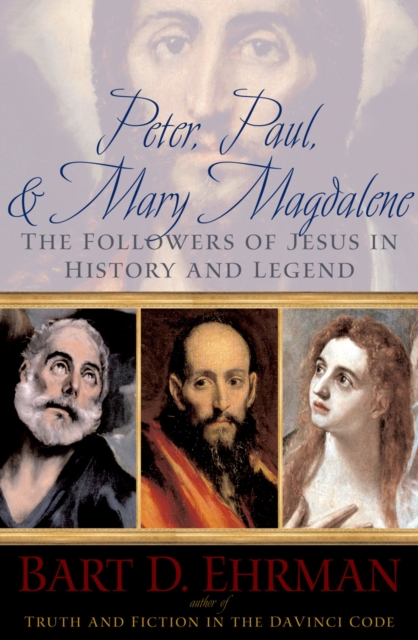
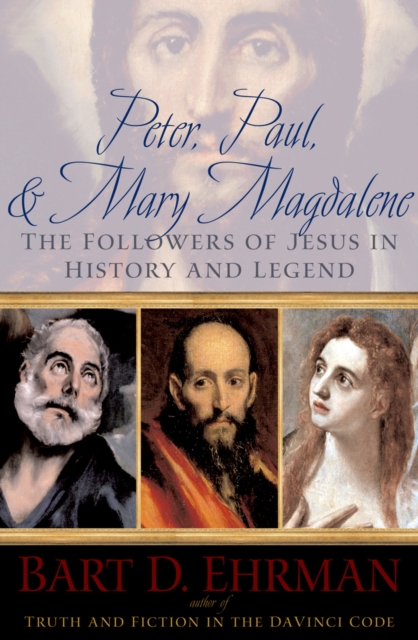
Bart Ehrman, author of the highly popular Truth and Fiction in The Da Vinci Code and Lost Christianities, here takes readers on another engaging tour of the early Christian church, illuminating the lives of three of Jesus' most intriguing followers: Simon Peter, Paul of Tarsus, and Mary Magdalene.
Bart Ehrman, author of the highly popular Truth and Fiction in The Da Vinci Code and Lost Christianities, here takes readers on another engaging tour of the early Christian church, illuminating the lives of three of Jesus' most intriguing followers: Simon Peter, Paul of Tarsus, and Mary Magdalene.
The story of Noah's flood is one of the best-loved and most often retold biblical tales, the inspiration for numerous children's books and toys, novels, and even films.
In this marvelous collection, David Leeming and Jake Page have gathered together the great myths and legends of America, ranging from the creation stories of the first inhabitants, to the tall-tales of the Western frontier, to the legendary outlaws of the 1920s.
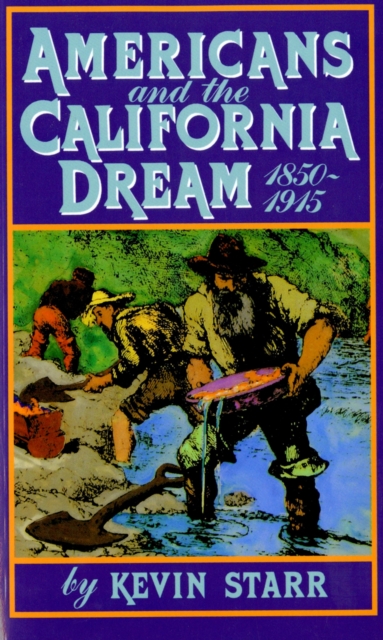
Examining California's formative years, this innovative study seeks to discover the origins of the California dream and the social, psychological, and symbolic impact it has had not only on Californians but also on the rest of the country.
Peruvian author Ricardo Palma (1838-1919) was one of the most popular and imitated writers in Latin America during the late nineteenth and early twentieth centuries.
Hailed as "e;a feast"e; (Washington Post) and "e;a modern-day bestiary"e; (The New Yorker), Stephen Asma's On Monsters is a wide-ranging cultural and conceptual history of monsters--how they have evolved over time, what functions they have served for us, and what shapes they are likely to take in the future.
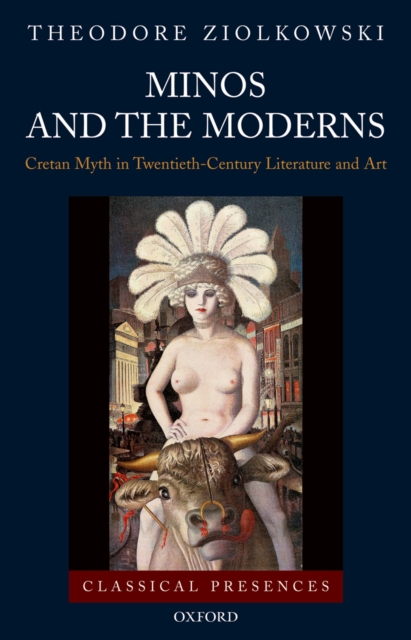
Minos and the Moderns considers three mythological complexes that enjoyed a unique surge of interest in early twentieth-century European art and literature: Europa and the bull, the minotaur and the labyrinth, and Daedalus and Icarus.
In Leaves from the Garden of Eden, Howard Schwartz, a three-time winner of the National Jewish Book Award, has gathered together one hundred of the most astonishing and luminous stories from Jewish folk tradition.
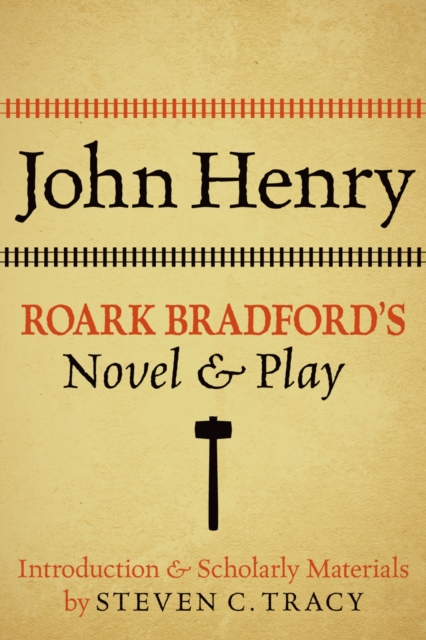
Roark Bradford's 1931 novel and 1939 play dealing with the legendary folk-hero John Henry (both titled John Henry) were extremely influential in their own time but have long been unavailable or extremely hard to find.
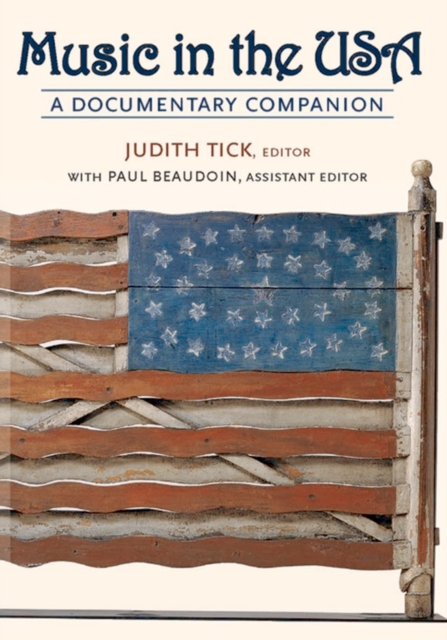
Music in the USA: A Documentary Companion charts a path through American music and musical life using as guides the words of composers, performers, writers and the rest of us ordinary folks who sing, dance, and listen.
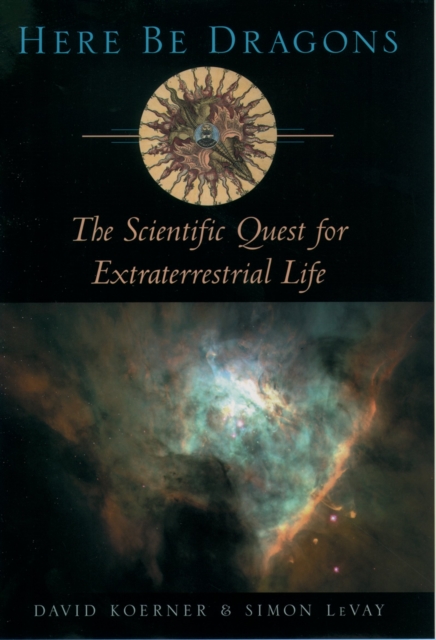
The discovery of life on other planets would be perhaps the most momentous revelation in human history, more disorienting and more profound than either the Copernican or Darwinian revolutions, which knocked the earth from the center of the universe and humankind from its position of lofty self-regard.
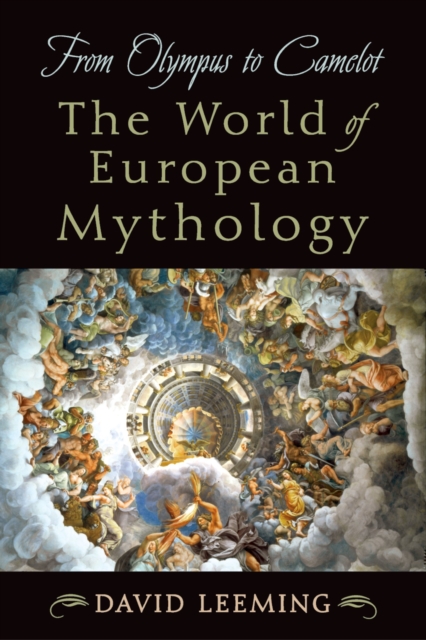
From the stories suggested by the great cave paintings of the Paleolithic period to the thought experiments of modern scientists, From Olympus to Camelot provides a sweeping history of the development of the rich and varied European mythological tradition.
Exploring classic works such as the Song of Songs, the Tao Te Ching, the Rg Veda, the New Testament, and the Indonesian myth of Hainuwele, Myth: A Biography of Belief reveals the cultural energies that ancient "e;mythmakers"e; sought to corral in their creations.
Norse Mythology explores the magical myths and legends of Norway, Sweden, Denmark, Iceland and Viking-Age Greenland and outlines the way the prehistoric tales and beliefs from these regions that have remained embedded in the imagination of the world.
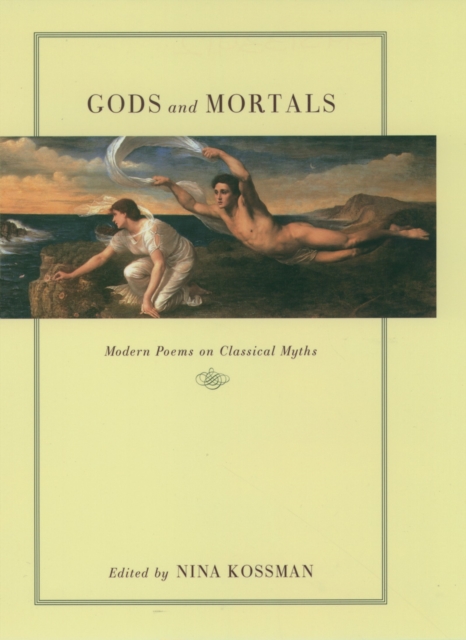
For centuries, poets have looked into the mirror of classical myth to show us the many ways our emotional lives are still reflected in the ancient stories of heroism, hubris, transformation, and loss that myths so eloquently tell.
The Powers of Genre describes a method for interpreting oral literature that depends upon and facilitates dialogue between insiders and outsiders to a tradition.