Enter a hidden world of mysteries, scandals, secrets, and liesPerhaps it is human nature to believe there is more to the world than meets the eye - that the greatest secrets and truths are hidden from us.
'Brilliant, a 5 out of 5 masterpiece' Evening StandardThe renowned historian of the Third Reich takes on the conspiracy theories surrounding Adolf Hitler and the Nazis, in a vital history book for the 'post-truth' ageThe idea that nothing happens by chance in history, that nothing is quite what it seems to be at first sight, that everything that occurs is the result of the secret machinations of malign groups of people manipulating everything from behind the scenes is as old as history itself.
'One of the great mythic poems of Europe' The New York TimesSharing its title with the poetic name for Finland - 'the land of heroes' - Kalevala is the soaring epic poem of its people, a work rich in magic and myth which tells the story of a nation through the ages from the dawn of creation.
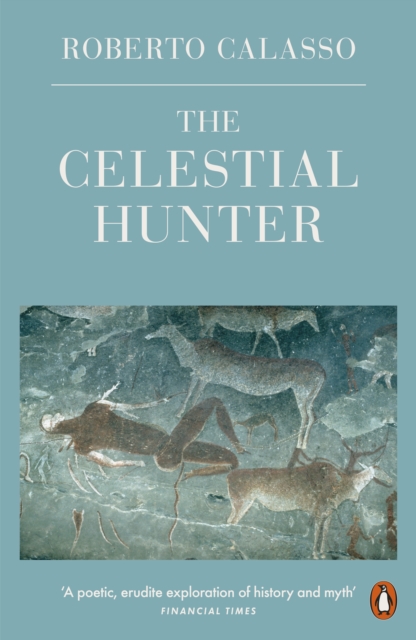
'A poetic, erudite exploration of history and myth' Financial TimesAn unforgettable journey through centuries and across cultures to the pivotal moment in evolution - when humans did something that no species had yet tried - when we became the hunter and no longer the prey.
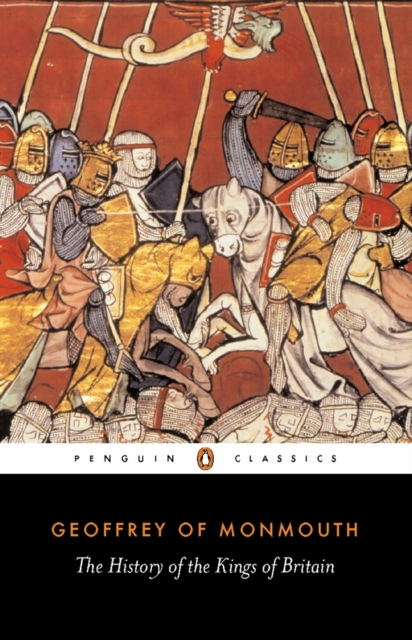
Completed in 1136, The History of the Kings of Britain traces the story of the realm from its supposed foundation by Brutus to the coming of the Saxons some two thousand years later.
This book analyses new and hybrid genres of television including observational documentaries, talk shows, game shows, docu-soaps, dramatic reconstructions, law and order programming and 24/7 formats such as Big Brother and Survivor.
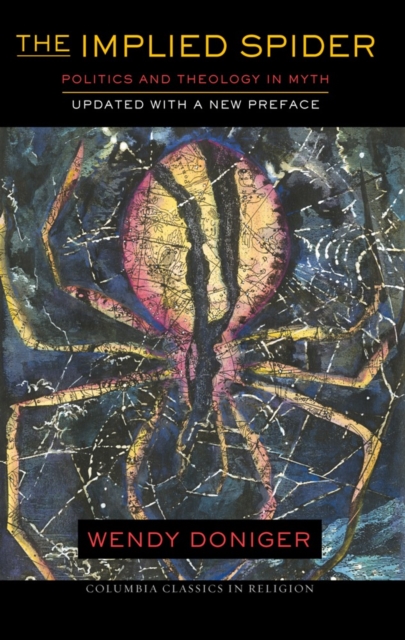
Wendy Doniger's foundational study is both modern in its engagement with a diverse range of religions and refreshingly classic in its transhistorical, cross-cultural approach.
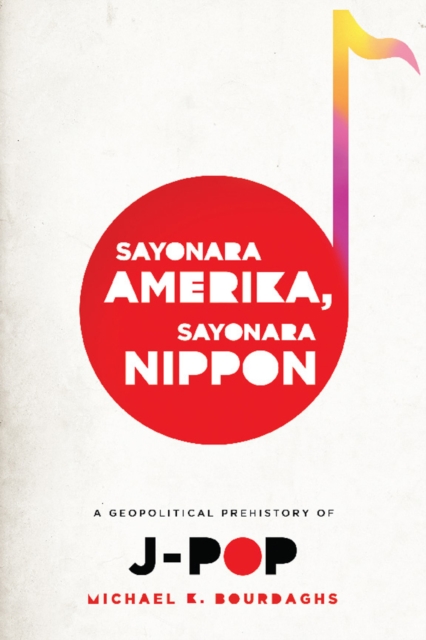
From the beginning of the American Occupation in 1945 to the post-bubble period of the early 1990s, popular music provided Japanese listeners with a much-needed release, channeling their desires, fears, and frustrations into a pleasurable and fluid art.
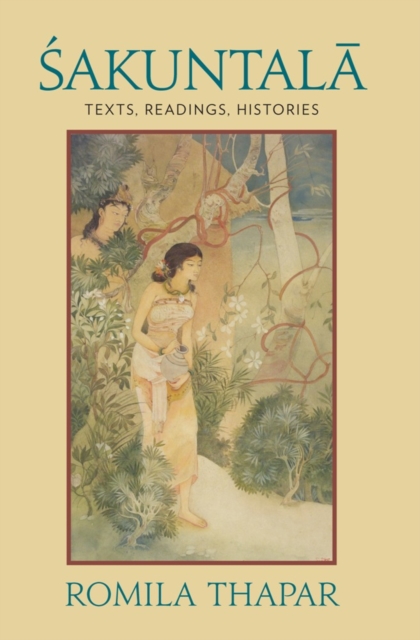
The figure of Sakuntala appears in many forms throughout South Asian literature, most famously in the Mahabharata and in Kalidisa's fourth-century Sanskrit play, Sakuntala and the Ring of Recollection.
It was believed that September 11th would make certain kinds of films obsolete, such as action thrillers crackling with explosions or high-casualty blockbusters where the hero escapes unscathed.
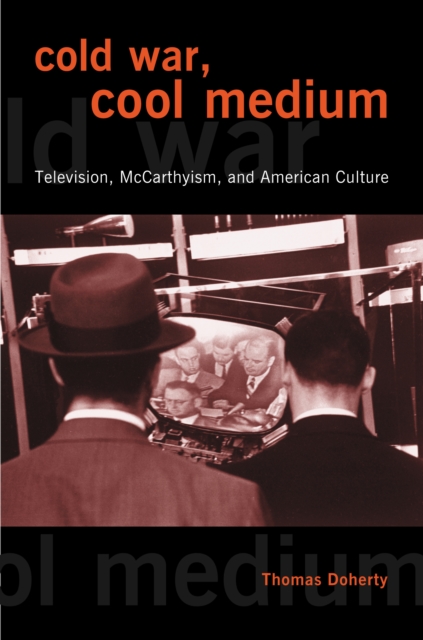
Conventional wisdom holds that television was a co-conspirator in the repressions of Cold War America, that it was a facilitator to the blacklist and handmaiden to McCarthyism.
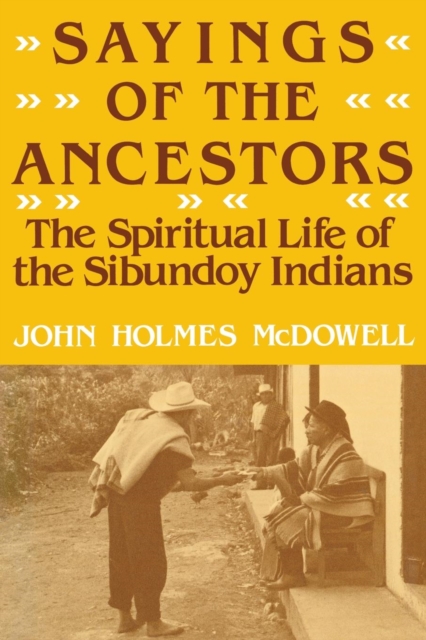
The Sibundoy valley of southwestern Colombia is the home of a unique Indian cultureone that blends Incan elements with those of the aboriginal natives.
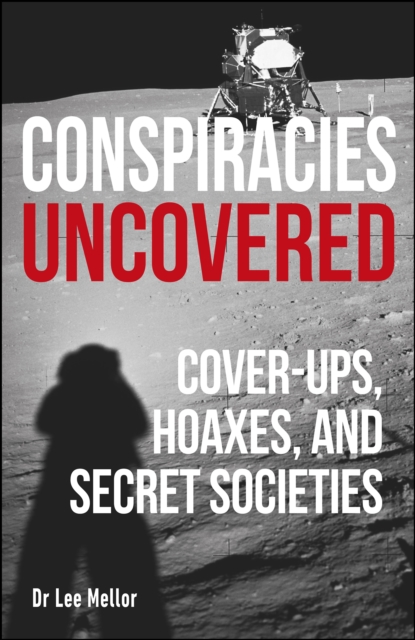
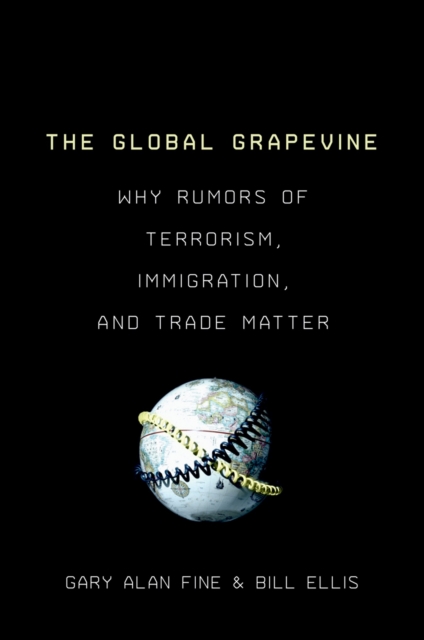
It's tempting to think that we live in an unprecedentedly fertile age for conspiracy theories, with seemingly each churn of the news cycle bringing fresh manifestations of large-scale paranoia.
"e;[An] important essay by a philosopher who more convincingly than any other I can think of demonstrates the continuing significance of his vocation in the life of our culture.
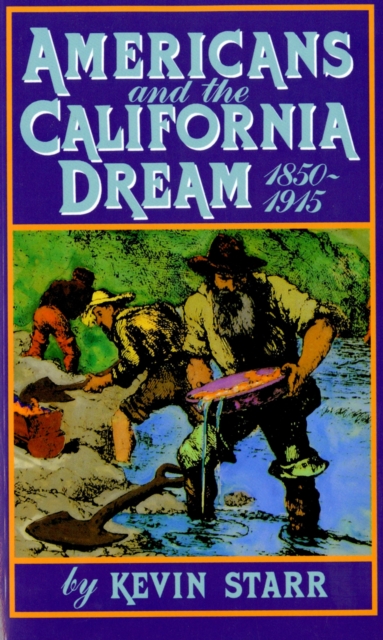
Examining California's formative years, this innovative study seeks to discover the origins of the California dream and the social, psychological, and symbolic impact it has had not only on Californians but also on the rest of the country.
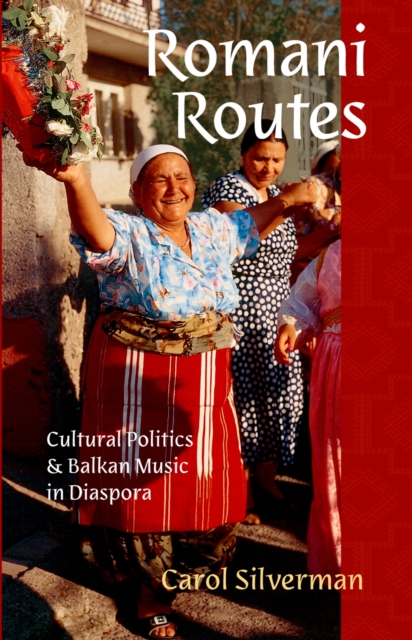
Now that the political and economic plight of European Roma and the popularity of their music are objects of international attention, Romani Routes provides a timely and insightful view into Romani communities both in their home countries and in the diaspora.
Now that the political and economic plight of European Roma and the popularity of their music are objects of international attention, Romani Routes provides a timely and insightful view into Romani communities both in their home countries and in the diaspora.
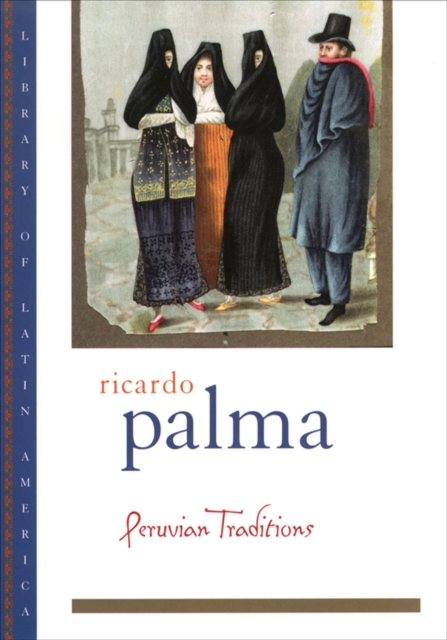
Peruvian author Ricardo Palma (1838-1919) was one of the most popular and imitated writers in Latin America during the late nineteenth and early twentieth centuries.
The story of Noah's flood is one of the best-loved and most often retold biblical tales, the inspiration for numerous children's books and toys, novels, and even films.