Cass Sunstein and Martha Nussbaum bring together an all-star cast of contributors to explore the legal and political issues that underlie the campaign for animal rights and the opposition to it.
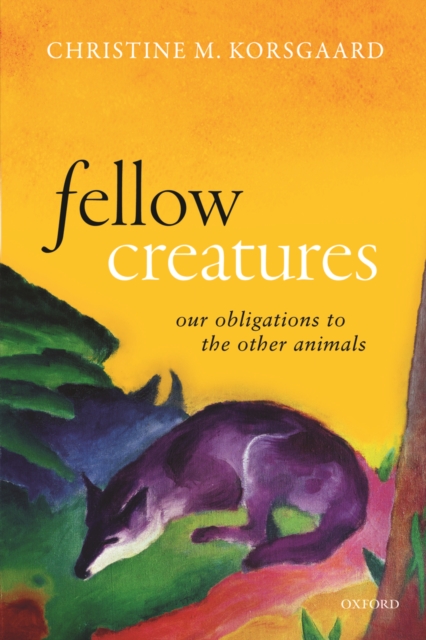
From eye-witness accounts of elephants apparently mourning the death of family members to an experiment that showed that hungry rhesus monkeys would not take food if doing so gave another monkey an electric shock, there is much evidence of animals displaying what seem to be moral feelings.
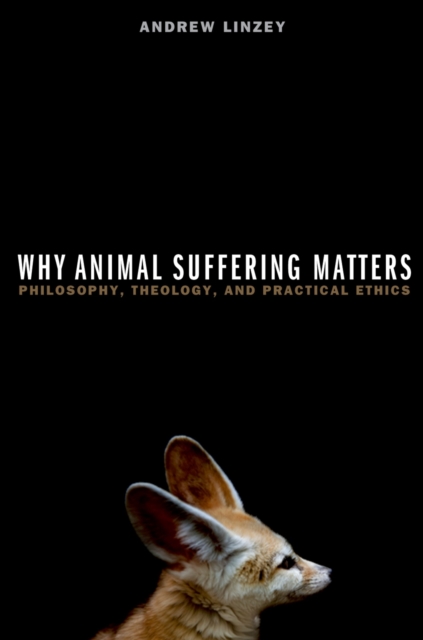
Despite increasing public attention to animal suffering, little seems to have changed: Human beings continue to exploit billions of animals in factory farms, medical laboratories, and elsewhere.
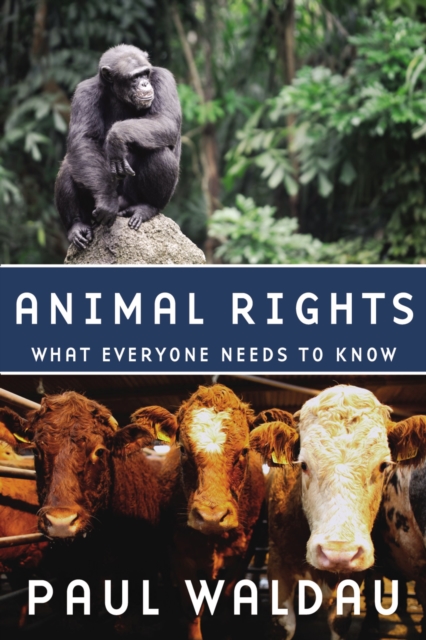
In this compelling volume in the What Everyone Needs to Know(R) series, Paul Waldau expertly navigates the many heated debates surrounding the complex and controversial animal rights movement.
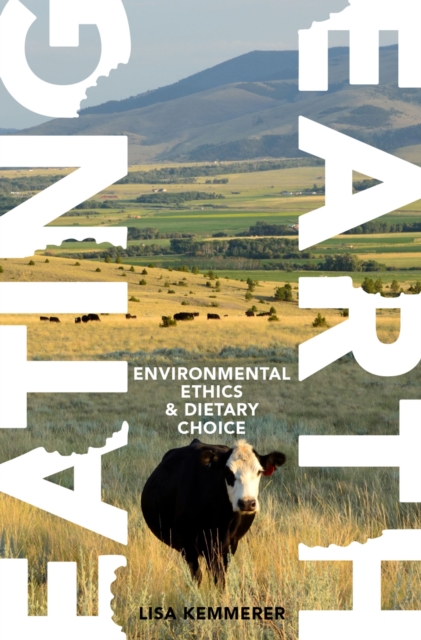
Exploring the environmental effects of animal agriculture, fishing, and hunting, Eating Earth exposes critical common ground between earth and animal advocacy.
Exploring the environmental effects of animal agriculture, fishing, and hunting, Eating Earth exposes critical common ground between earth and animal advocacy.
Philosophical controversy over non-human animals extends further back than many realize -- before Utilitarianism and Darwinism to the very genesis of philosophy.
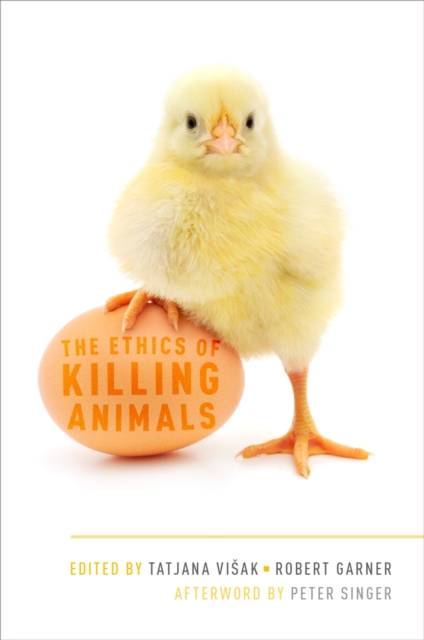
A new collection offering provocative and often counterintuitive conclusions on the ethics of meat eatingIn a world of industralized farming and feed lots, is eating meat ever a morally responsible choice?
A new collection offering provocative and often counterintuitive conclusions on the ethics of meat eatingIn a world of industralized farming and feed lots, is eating meat ever a morally responsible choice?
Cass Sunstein and Martha Nussbaum bring together an all-star cast of contributors to explore the legal and political issues that underlie the campaign for animal rights and the opposition to it.
The plight of a patient waiting months, sometimes years, for an organ transplant is one of the most heart-wrenching predicaments confronting medicine today.
This book offers a powerful response to what Varner calls the "e;two dogmas of environmental ethics"e;--the assumptions that animal rights philosophies and anthropocentric views are each antithetical to sound environmental policy.
From the sheep, dog, and cockerel that were sent aloft in Montgolfier's balloon, to Galvani's frog's legs, Dolly the Sheep, the finches of the Galapagos, and even imaginary cats and simulated life forms, Pavlov's Dogs and Schrodinger's Cat explores the fascinating history of the role of living things in science.
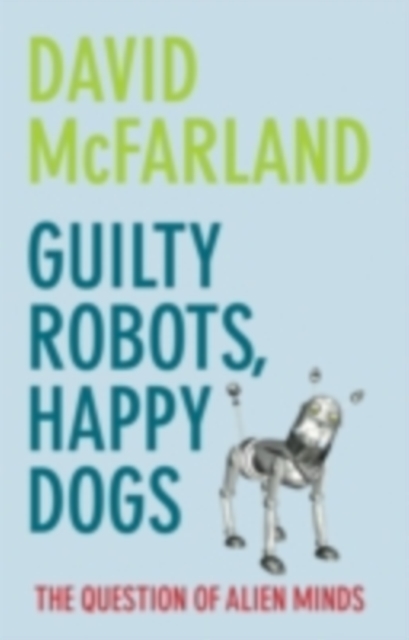
When we interact with animals, we intuitively read thoughts and feelings into their expressions and actions - it is easy to suppose that they have minds like ours.
From the sheep, dog, and cockerel that were sent aloft in Montgolfier's balloon, to Galvani's frog's legs, Dolly the Sheep, the finches of the Galapagos, and even imaginary cats and simulated life forms, Pavlov's Dogs and Schrodinger's Cat explores the fascinating history of the role of living things in science.
When we interact with animals, we intuitively read thoughts and feelings into their expressions and actions - it is easy to suppose that they have minds like ours.