Cohen critiques Timothy Findley's broad anti-censorship position; he traces Margaret Atwood's evolution from implicit support for the censorship of pornography in Bodily Harm to the rejection of censorship in The Handmaid's Tale; and he provides the first detailed study of the draft of Margaret Laurence's unfinished novel, showing the degree to which her final silence was a result of her censorship ordeal.
Northern Ireland stands out as having enacted historical positive change in abortion law, from an almost complete ban in the 20th century to the decriminalization achieved in 2019.
Northern Ireland stands out as having enacted historical positive change in abortion law, from an almost complete ban in the 20th century to the decriminalization achieved in 2019.
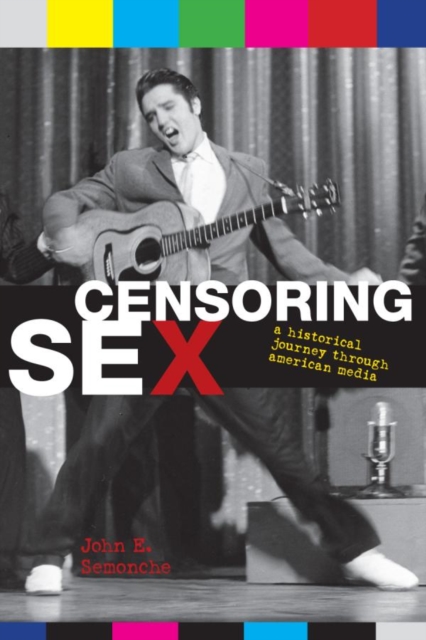
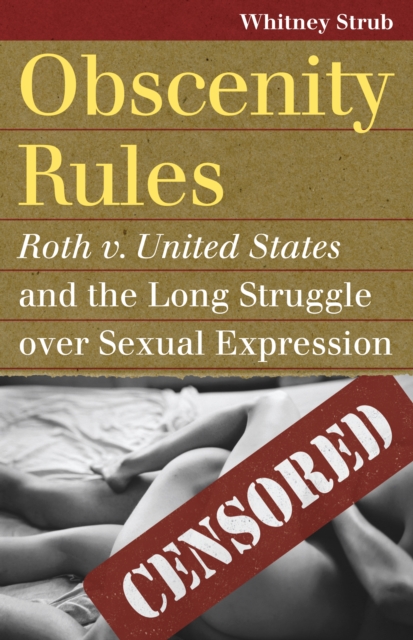
In this gracefully written, accessible and entertaining volume, John Semonche surveys censorship for reasons of sex from the nineteenth century up to the present.
Every arena of science has its own flash-point issues chemistry and poison gas, physics and the atom bomb and genetics has had a troubled history with race.
A New Yorker Best Book of the YearA Foreign Affairs Best Book of the YearAn Atlantic Best Book of the YearA Financial Times Best Politics Book of the YearHow a new breed of dictators holds power by manipulating information and faking democracyHitler, Stalin, and Mao ruled through violence, fear, and ideology.
In Ireland, 2018, a constitutional ban that equated the life of a woman to the life of a fertilised embryo was overturned and abortion was finally legalised.
Global Journalism: Understanding World Media Systems provides an overview of the key issues in global journalism today and traces how media systems have evolved over time in different world regions.
In this gracefully written, accessible and entertaining volume, John Semonche surveys censorship for reasons of sex from the nineteenth century up to the present.
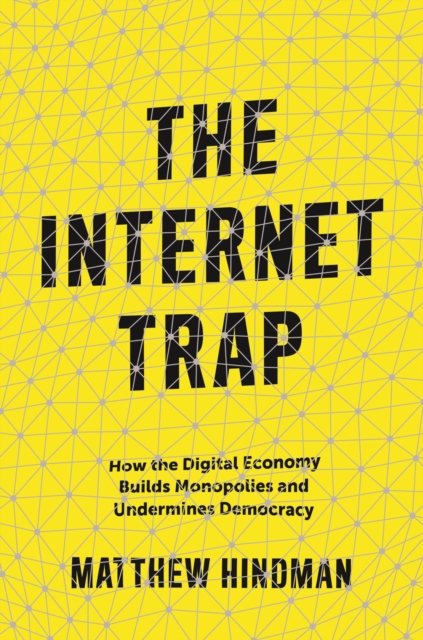
A book that challenges everything you thought you knew about the online economyThe internet was supposed to fragment audiences and make media monopolies impossible.
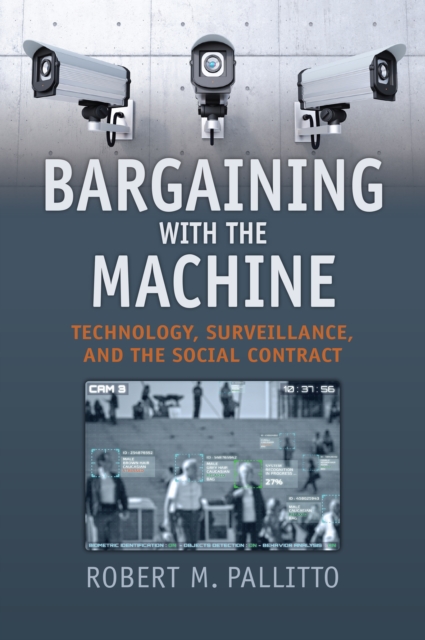
Cell phone apps share location information; software companies store user data in the cloud; biometric scanners read fingerprints; employees of some businesses have microchips implanted in their hands.
Cell phone apps share location information; software companies store user data in the cloud; biometric scanners read fingerprints; employees of some businesses have microchips implanted in their hands.
Coaching in the Grey Space is set to enhance the practice of coaching psychology, by defining the previously unidentified grey space - where boundaries between the coaching and therapeutic terrain intersect.
A comprehensive history of censorship in modern BritainFor Victorian lawmakers and judges, the question of whether a book should be allowed to circulate freely depended on whether it was sold to readers whose mental and moral capacities were in doubt, by which they meant the increasingly literate and enfranchised working classes.
Why colleges and universities live or die by free speechFree speech is under attack at colleges and universities today, as critics on and off campus challenge the value of freewheeling debate.
A book that challenges everything you thought you knew about the online economyThe internet was supposed to fragment audiences and make media monopolies impossible.
Our Choices, Our Lives: Unapologetic Writings on AbortionA riveting collection of writings, Our Choices, Our Lives challenges those who reduce abortion to "e;pro"e; and "e;anti,"e; and reveals the many faces of the abortion issue.
This book probes the ethical, practical, and sociopolitical implications of leveraging innovative and disruptive means to address the world's various environmental crises.