In bioethics, discussions of justice have tended to focus on questions of fairness in access to health care: is there a right to medical treatment, and how should priorities be set when medical resources are scarce.
Today, two-thirds of the world's nations have abolished the death penalty, either officially or in practice, due mainly to the campaign to end state executions led by Western European nations.
In How Invention Begins, Lienhard reconciles the ends of invention with the individual leaps upon which they are built, illuminating the vast web of individual inspirations that lie behind whole technologies.
From Robocop to the Terminator to Eve 8, no image better captures our deepest fears about technology than the cyborg, the person who is both flesh and metal, brain and electronics.
Abortion Under Apartheid examines the politics of abortion in South Africa during the apartheid era (1948-1990), when termination of pregnancy was criminalized.
So long as large segments of humanity are suffering chronic poverty and are dying from treatable diseases, organized giving can save or enhance millions of lives.
The editors of Ethics at the Cinema invited a diverse group of moral philosophers and philosophers of film to engage with ethical issues raised within, or within the process of viewing, a single film of each contributor's choice.
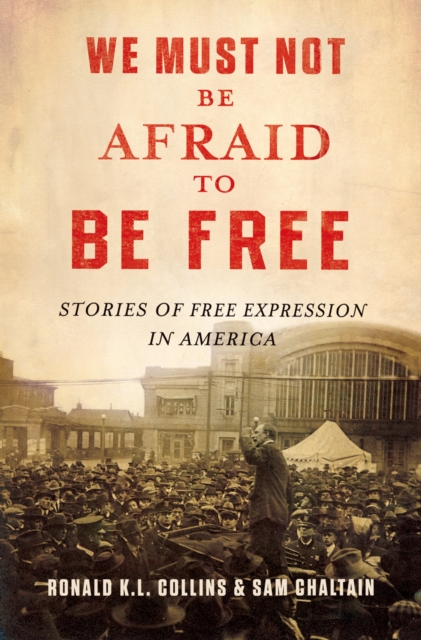
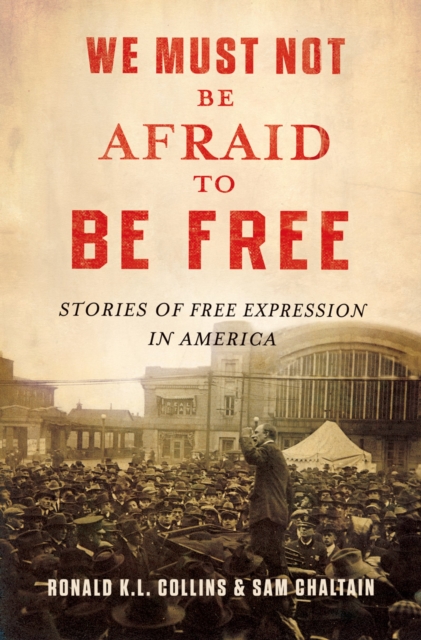
In a stinging dissent to a 1961 Supreme Court decision that allowed the Illinois state bar to deny admission to prospective lawyers if they refused to answer political questions, Justice Hugo Black closed with the memorable line, "e;We must not be afraid to be free.
Moral Responsibility in Collective Contexts is a philosophical investigation of the complex moral landscape we find in collective scenarios such as genocide, global warming, organizational negligence, and oppressive social practices.
In light of new biomedical technologies, such as artificial reproduction, stem cell research, genetic selection and design, the question of what we owe to future persons-and unborn life more generally-is as contested as ever.
During the past several decades, the fetus has been diversely represented in political debates, medical textbooks and journals, personal memoirs and autobiographies, museum exhibits and mass media, and civil and criminal law.
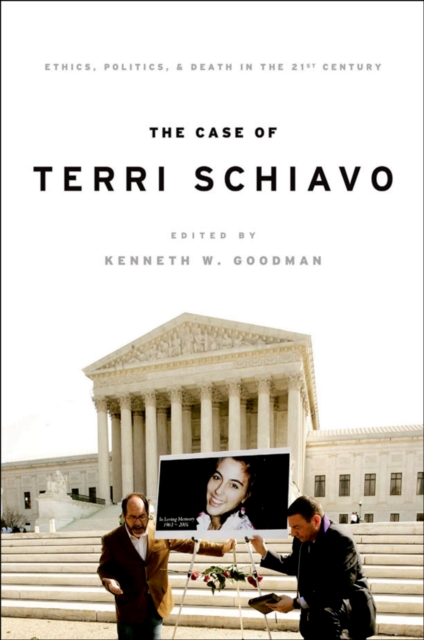
The case of Terri Schiavo, a young woman who spent 15 years in a persistent vegetative state, has emerged as a watershed in debates over end-of-life care.
In a stinging dissent to a 1961 Supreme Court decision that allowed the Illinois state bar to deny admission to prospective lawyers if they refused to answer political questions, Justice Hugo Black closed with the memorable line, "e;We must not be afraid to be free.
The editors of Ethics at the Cinema invited a diverse group of moral philosophers and philosophers of film to engage with ethical issues raised within, or within the process of viewing, a single film of each contributor's choice.
During the past several decades, the fetus has been diversely represented in political debates, medical textbooks and journals, personal memoirs and autobiographies, museum exhibits and mass media, and civil and criminal law.
Today, two-thirds of the world's nations have abolished the death penalty, either officially or in practice, due mainly to the campaign to end state executions led by Western European nations.
In bioethics, discussions of justice have tended to focus on questions of fairness in access to health care: is there a right to medical treatment, and how should priorities be set when medical resources are scarce.
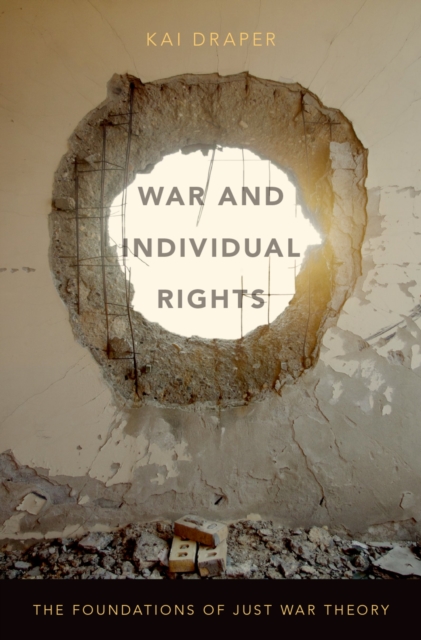
Kai Draper begins his book with the assumption that individual rights exist and stand as moral obstacles to the pursuit of national no less than personal interests.
Just War theory - as it was developed by the Catholic theologians of medieval Europe and the jurists of the Renaissance - is a framework for the moral and legal evaluation of armed conflicts.
Through the use of dramatic narratives, The Drama of DNA brings to life the complexities raised by the application of genomic technologies to health care and diagnosis.
Academic food ethics incorporates work from philosophy but also anthropology, economics, the environmental sciences and other natural sciences, geography, law, and sociology.
A new collection offering provocative and often counterintuitive conclusions on the ethics of meat eatingIn a world of industralized farming and feed lots, is eating meat ever a morally responsible choice?
A new collection offering provocative and often counterintuitive conclusions on the ethics of meat eatingIn a world of industralized farming and feed lots, is eating meat ever a morally responsible choice?
Confronting the Death Penalty: How Language Influences Jurors in Capital Cases probes how jurors make the ultimate decision about whether another human being should live or die.