The Republic of Therapy tells the story of the global response to the HIV epidemic from the perspective of community organizers, activists, and people living with HIV in West Africa.
Every year the average number of prescriptions purchased by Americans increases, as do healthcare expenditures, which are projected to reach one-fifth of the U.
In So Much Wasted, Patrick Anderson analyzes self-starvation as a significant mode of staging political arguments across the institutional domains of the clinic, the gallery, and the prison.
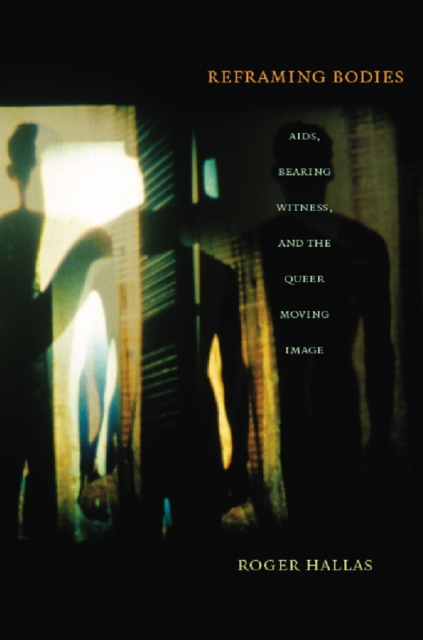
In Reframing Bodies, Roger Hallas illuminates the capacities of film and video to bear witness to the cultural, political, and psychological imperatives of the AIDS crisis.
How should we understand the fear and fascination elicited by the accounts of communicable disease outbreaks that proliferated, following the emergence of HIV, in scientific publications and the mainstream media?
As new medical technologies are developed, more and more human tissues-such as skin, bones, heart valves, embryos, and stem cell lines-are stored and distributed for therapeutic and research purposes.
In Black Empire, Michelle Ann Stephens examines the ideal of "e;transnational blackness"e; that emerged in the work of radical black intellectuals from the British West Indies in the early twentieth century.
In Cooking Data Crystal Biruk offers an ethnographic account of research into the demographics of HIV and AIDS in Malawi to rethink the production of quantitative health data.
Frames blood donation as a performance of civic identity closely linked to the meaning of citizenship In Banning Queer Blood, Jeffrey Bennett frames blood donation as a performance of civic identity closely linked to the meaning of citizenship.
Though more than 150,000 AIDS-related deaths have been reported worldwide and between 5 and 10 million people are now infected with its precursor, HIV-1, the deadly and relatively new AIDS virus is still a mystery.
In The Language of the Heart, Trysh Travis explores the rich cultural history of Alcoholics Anonymous (AA) and its offshoots and the larger "recovery movement" that has grown out of them.
Birth in the Age of AIDS is a vivid and poignant portrayal of the experiences of HIV-positive women in India during pregnancy, birth, and motherhood at the beginning of the 21st century.
An epic and unforgettable love story begins in Saving 6, the third book in the international bestselling and TikTok-phenomenon The Boys of Tommen series, from Chloe Walsh.
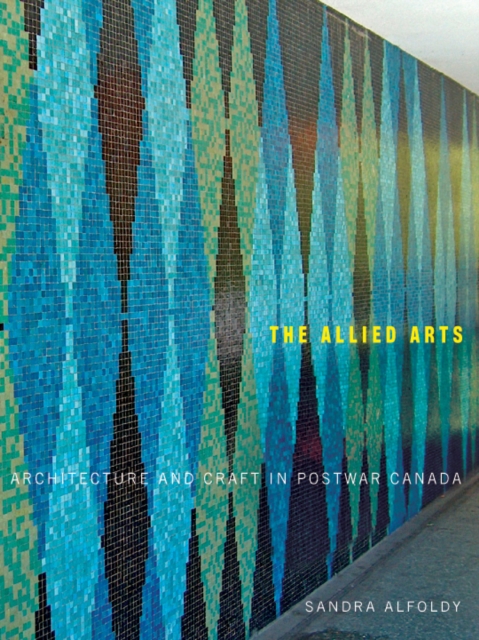
During periods of close collaboration, championed by figures like John Ruskin and William Morris, architecture and craft were referred to as "e;the allied arts.
Working Without Commitments offers a new understanding of the social and health impacts of this change in the modern workplace, where outsourcing, limited term contracts, and the elimination of pensions and health benefits have become the new standard.
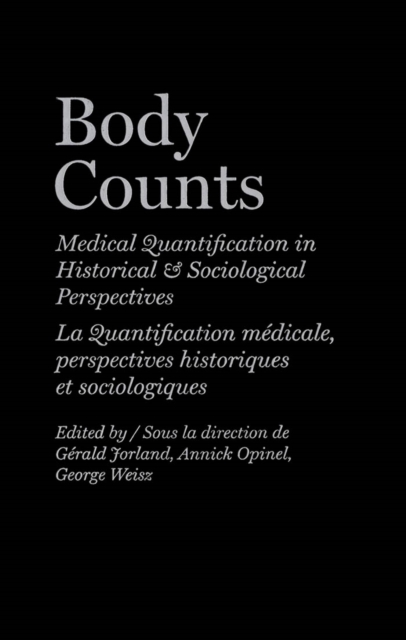
Contributors include Luc Berlivet (INSERM, CNRS, EHESS, Paris), Alberto Cambrosio (McGill University), Sir Iain Chalmers (James Lind Library, Oxford), Nicholas Dodier (INSERM, CNRS, EHESS, Paris), Michael Donnelly (Bard College), Volker Hess (Humboldt-University), Peter Keating (University of Quebec at Montreal), Ann La Berge (Virginia Tech University), Ilana Lowy (INSERM, CNRS, EHESS, Paris), Harry M.
Contributors examine the degree to which the provision of health care is influenced by characteristics of the health service organization, such as the administrative structure and the human resources available.
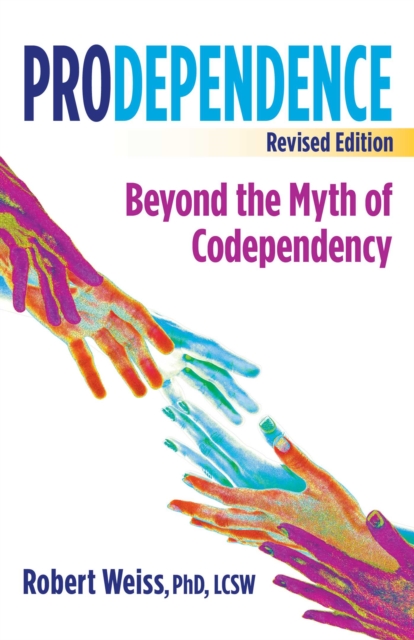
Prodependence revolutionized addiction healthcare by improving the ways we treat loved ones of addicts and other troubled people by offering them more dignity for their suffering rather than blame for the problem.