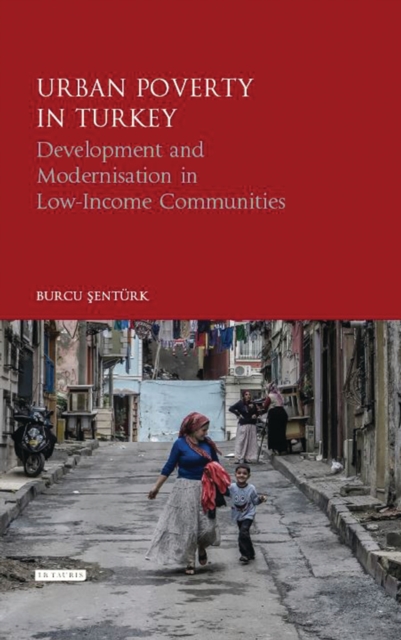
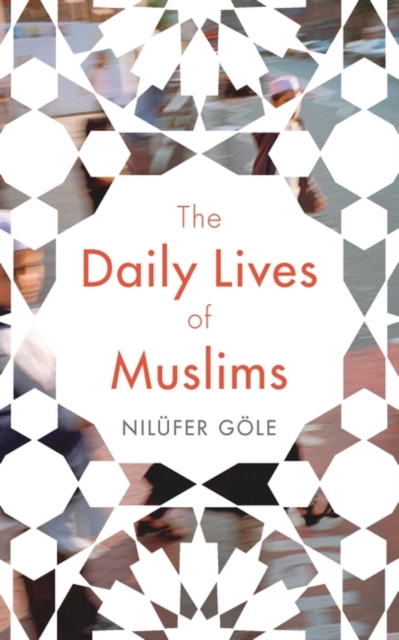
Gecekondu settlements-or shanty towns-in large Turkish cities are mostly populated by low-income families, many of which have migrated from the villages of Central Anatolia.
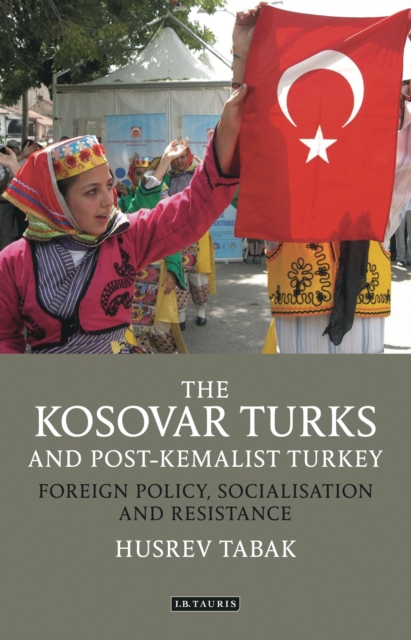
Even before the collapse of the Ottoman Empire, Turkic communities, living in states newly independent from Ottoman rule, were 'protected' by the Ottomans.
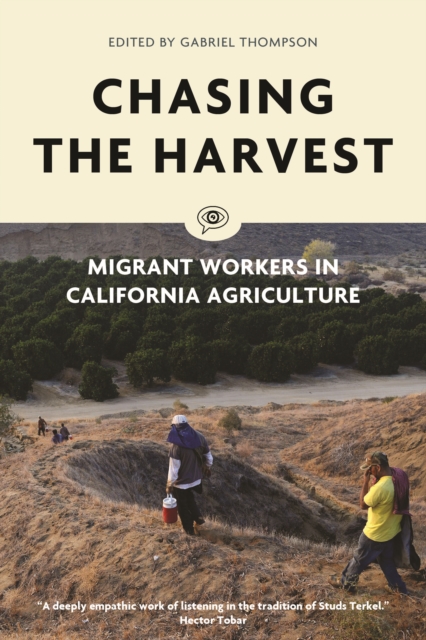
More than a million men, women, and children work in American agriculture, and yet their stories are rarely told, their low-wage jobs are not included in minimum-wage ordinances or campaigns, and their work remains unorganized by labor unions.
In the midst of refugee crises, terrorist attacks and territorial disputes across the globe, nationalism remains a powerful force in generating affects of inclusion and exclusion.
Human migration tends to involve more than the odd suitcase or two - we often carry other organisms on our travels, some are deliberately transported, others move by accident.
Human migration tends to involve more than the odd suitcase or two - we often carry other organisms on our travels, some are deliberately transported, others move by accident.
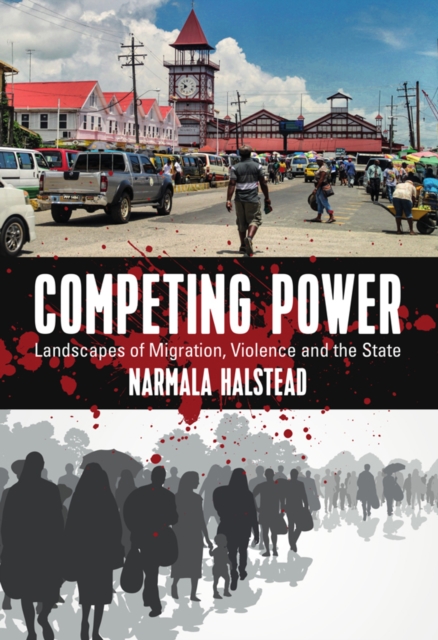
Drawing from ethnographic material based on long-term research, this volume considers competing forms of power at micro- and macro-levels in Guyana, where the local is marked by extensive migration, corruption, and differing levels of violence.
As we grapple with a growing refugee crisis, a hardening of anti-immigration sentiment, and deepening communal segregation in many parts of the developed world, questions of the nature of home and homemaking are increasingly critical.
As globalization and transnational encounters intensify, people s mobility is increasingly conditioned by intimacy, ranging from love, desire, and sexual liaisons to broader family, kinship, and conjugal matters.
Exploring the lifeworlds of Halima, Omar and Mohamed, three middle-aged Somalis living in Melbourne, Australia, the author discusses the interrelated meanings of emplacement and displacement as experienced in people s everyday lives.
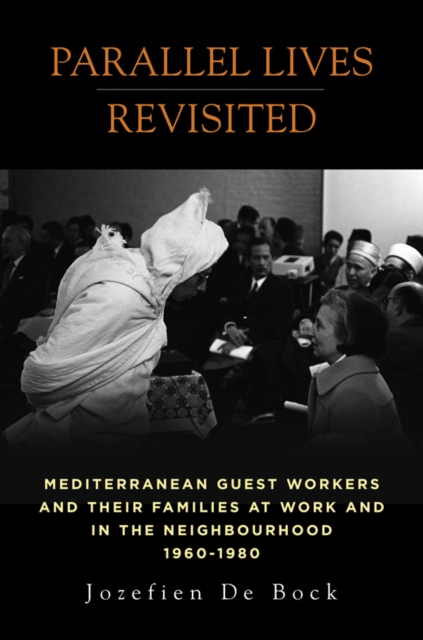
Originally coined in 2001 in a report on racial tensions in the United Kingdom, the concept of parallel lives has become familiar in the European discourse on immigrant integration.
Within Germany, policies and cultural attitudes toward migrants have been profoundly shaped by the difficult legacies of the Second World War and its aftermath.
Moving Places draws together contributions from Europe, Latin America, Asia, and Africa, exploring practices and experiences of movement, non-movement, and place-making.
It is clear that the right is on the rise, but after Brexit, the election of Donald Trump and the spike in popularity of extreme-right parties across Europe, the question on everyone's minds is: how did this happen?
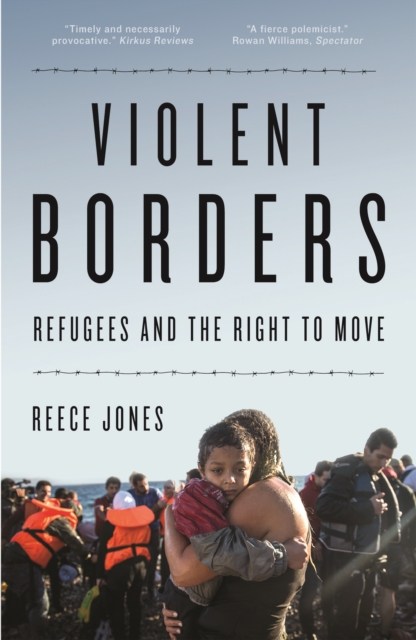
Forty thousand people died trying to cross international borders in the past decade, with the high-profile deaths along the shores of Europe only accounting for half of the grisly total.
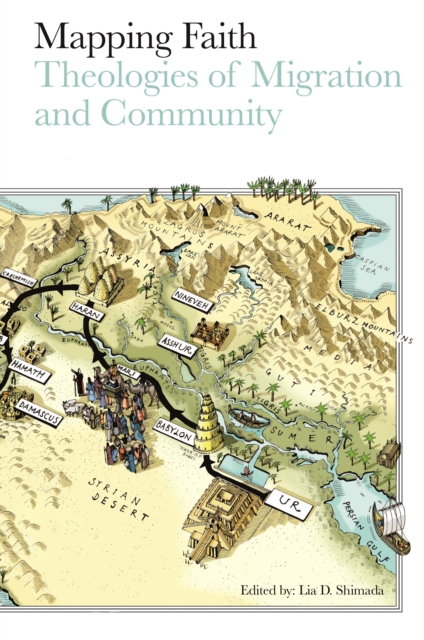
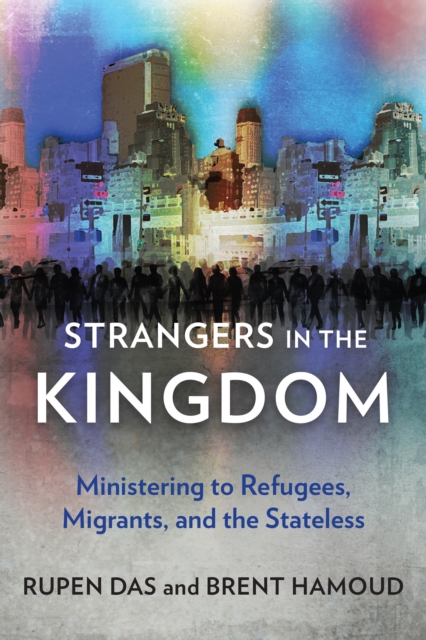
This enlightening edited collection shows how migration shapes the lives of faith communities - and vice versa - through diverse prisms including diaspora, generational change, cultural conflict, conceptions of 'ministry' and artistic response.
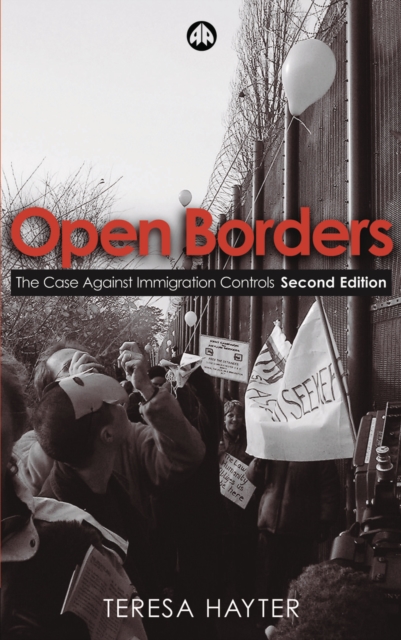
Assessing the impact of the increasing severity of border controls since they were first introduced, Teresa Hayter makes the controversial case for their abolition.
Solidarity without Borders reads the micropolitics of migrants as political actors within a Gramscian context by observing alliances between migrants and trade unions, worker organisations and other radical constituencies.
Illegal migrants who evade detection, creators of value in insecure and precarious working conditions and those who refuse the constraints of sexual and biomedical classifications: these are the people who manage to subvert power and to craft unexpected sociabilities and experiences.
In a post-Cold War world of political unease and economic crisis, processes of securitisation are transforming nation-states, their citizens and non-citizens in profound ways.
Constant migration is a worldwide phenomenon that creates sharp divisions between those who accept the need for migrants and welcome the contributions they make and those who oppose them on xenophobic grounds.