This three-volume work exposes myths and debunks misinformation about global migration, an issue generating emotional debate from the highest levels of power to kitchen tables across the United States, Europe, and worldwide.
Confluence Narratives: Ethnicity, History and Nation-Making in the Americas explores how a collection of contemporary novels calls attention to the impact of ethnicity on national identities in the Americas.
An astonishing story that puts a human face on the ongoing debate about immigration reform in the United States, now updated with a new Epilogue and Afterword, photos of Enrique and his family, an author interview, and more—the definitive edition of a classic of contemporary America Based on the Los Angeles Times newspaper series that won two Pulitzer Prizes, one for feature writing and another for feature photography, this page-turner about the power of family is a popular text in classrooms and a touchstone for communities across the country to engage in meaningful discussions about this essential American subject.
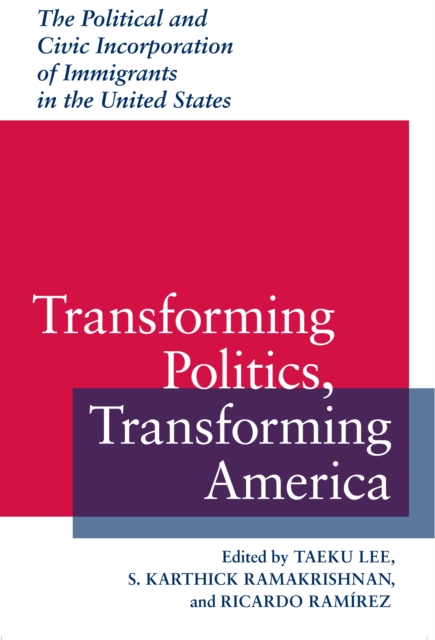
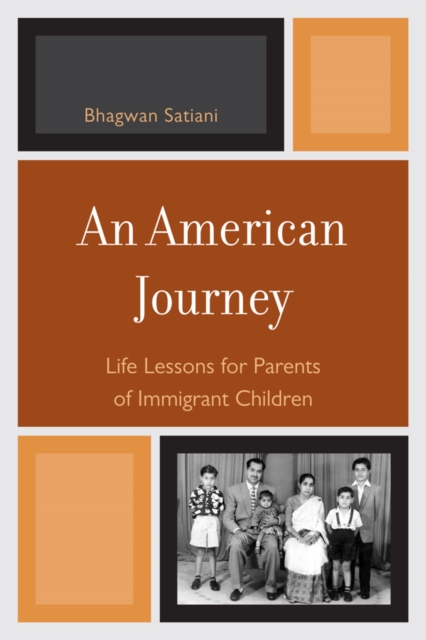
Over the past four decades, the foreign-born population in the United States has nearly tripled, from about 10 million in 1965 to more than 30 million today.
Although the United States prides itself as a nation of diversity, the country that boasts of its immigrant past also wrestles with much of its immigrant present.
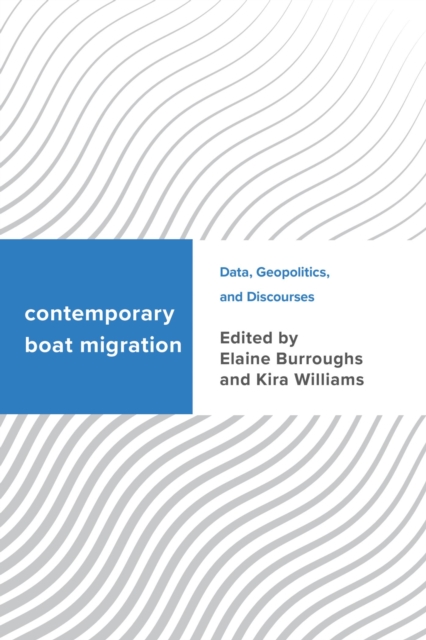
This book explores contemporary migration by boat through the intertwined, and under-explored, elements of empirical data, governance and geopolitics, and discourses.
Over the past four decades, the foreign-born population in the United States has nearly tripled, from about 10 million in 1965 to more than 30 million today.
This work probes into the socio-political and cultural setting in South Texas (1915-1992) via data found in the private archival collection of Adela Sloss-Vento; it focuses on her role as an activist, writer and civil/human rights pioneer.
This book updates prior research that utilized the perceptions of criminal investigators of the Immigration & Naturalization Service (INS), and compares these perceptions with immigration enforcement priorities that were implemented post 911, through the Obama Administration up to the Trump presidency.
The voices of second-generation Korean Americans echo throughout the pages of this book, which is a sensitive exploration of their struggles with minority, marginality, cultural ambiguity, and negative perceptions.
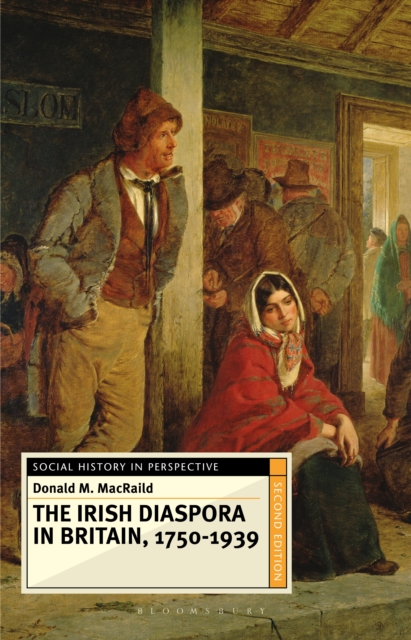
This established study focuses on the most important phase of Irish migration, providing analysis of why and how the Irish settled in Britain in such numbers.
Building upon the author's integrative and interactive ideas about human services fields, this book presents an intercultural perspective of social work education, practice, and research with culturally-linguistically-relationally underprivileged minority groups in the local and global communities, to show how the synthesis of theories from postmodern social constructionism, multiculturalism, and international organization empowerment can be applied when working with Asian immigrant families.
This book traces the journey of the Mofet Association, an educational coalition established by teachers who immigrated to Israel from the former Soviet Union.
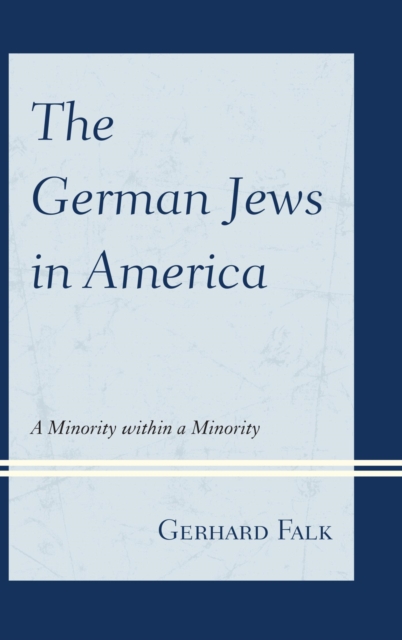
This book describes the assimilation and acculturation of a small minority who immigrated to the United States in the nineteenth century and again in the twentieth century.
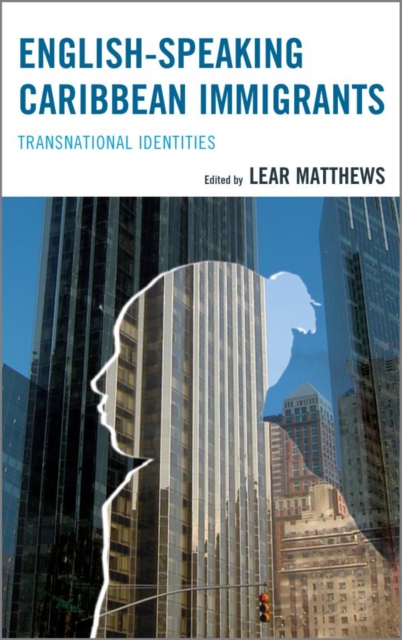
This book highlights important but insufficiently documented dimensions of the experience of English-speaking Caribbean immigrants in the United States.
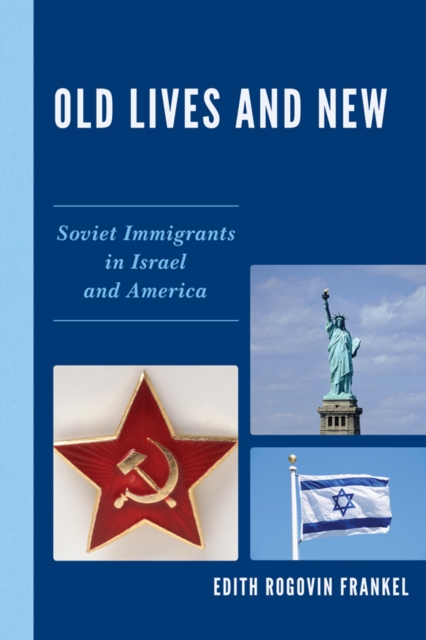
This is the moving story of a number of individuals who made the difficult and sometimes hazardous decision to leave their home, family, and friends and start new lives in Israel and the United States.
The Third World cities have been reinvented by the forces of globalization as the destinations of new investments, causing the migration of a teeming million to the major urban centers without any corresponding increase in the creation of new jobs and other basic amenities required for decent living.
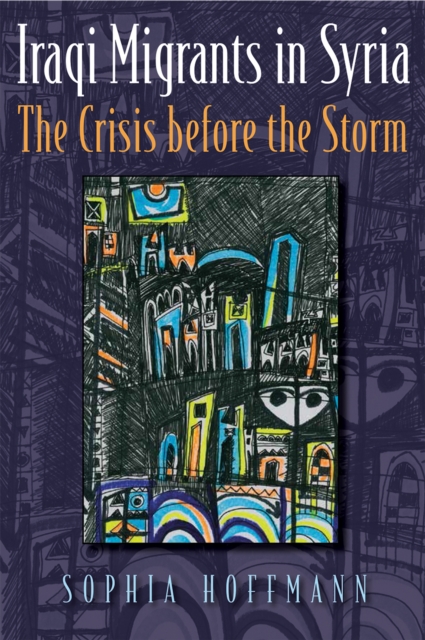
During the decade that preceded Syria's 2011 uprising and descent into violence, the country was in the midst of another crisis: the mass arrival of Iraqi migrants and a flood of humanitarian aid to handle the refugee emergency.
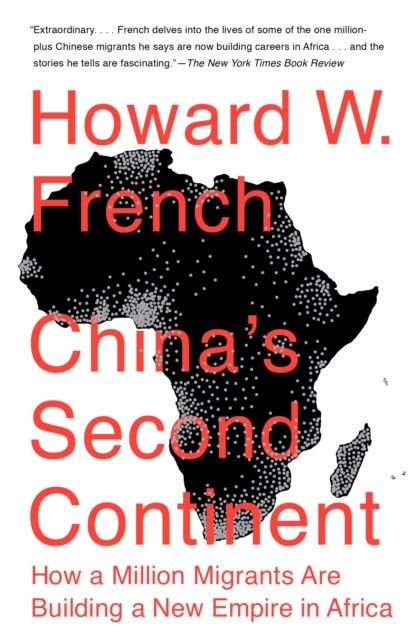
An exciting, hugely revealing account of China’s burgeoning presence in Africa—a developing empire already shaping, and reshaping, the future of millions of people.
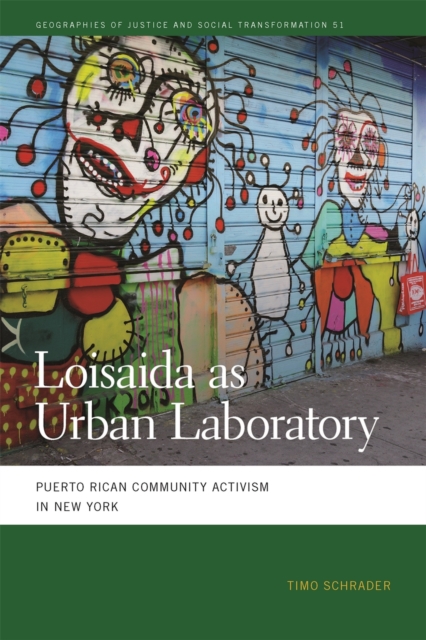
Loisaida as Urban Laboratory is the first in-depth analysis of the network of Puerto Rican community activism in New York City's Lower East Side from 1964 to 2001.
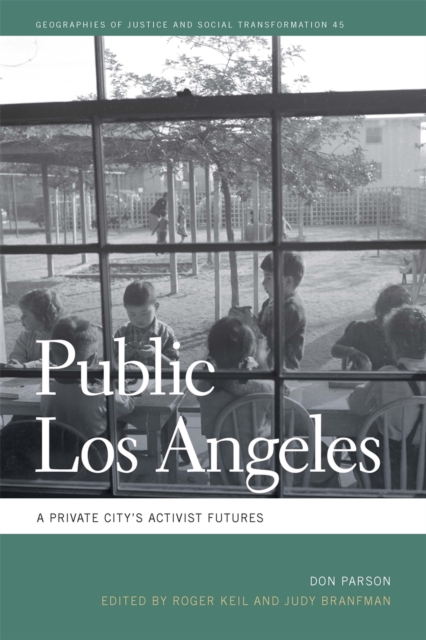
Public Los Angeles is a collection of unpublished essays by scholar Don Parson focusing on little-known characters and histories located in the first half of twentieth-century Los Angeles.
During the decade that preceded Syria's 2011 uprising and descent into violence, the country was in the midst of another crisis: the mass arrival of Iraqi migrants and a flood of humanitarian aid to handle the refugee emergency.
In rich ethnographic detail, Border Humanitarians explores the narratives of Burmese activists in exile who rely on transnational political and social networks to respond to gender violence among the hundreds of thousands of migrants living and working precariously on the Thai border with Myanmar.
In this pathbreaking and timely work, Hamal Gurung gives voice to the growing number of Nepali women who migrate to the United States to work in the informal economy.
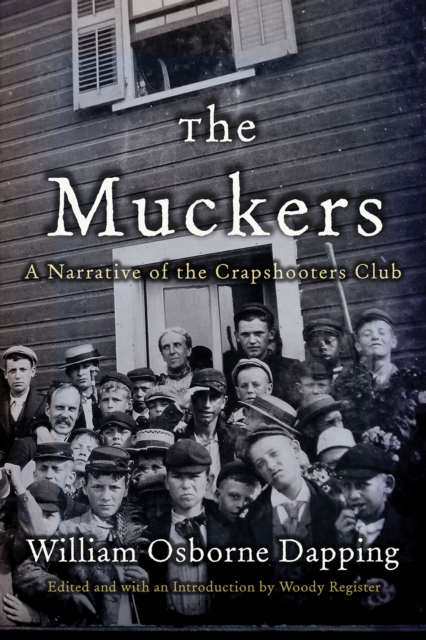
In 1899, William Osborne Dapping was a Harvard-bound nineteen-year-old when he began writing down exploits from his rough childhood in the immigrant slums of New York City.
Although international cooperation on migration is often promoted, scholars have been unable to arrive at a consensus about the extent of cooperation in the current system.
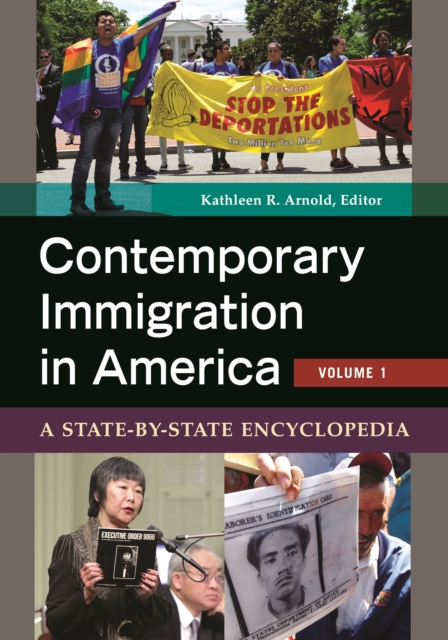
State and local immigration issues and policies for all 50 states are thoroughly examined in this unique, up-to-date, and accessibly written encyclopedia.
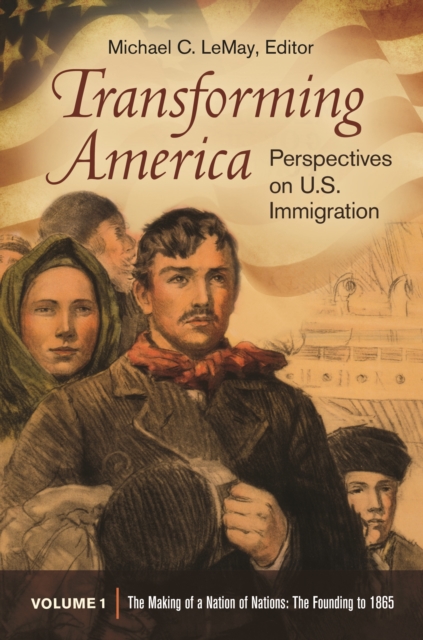
Utilizing multiple perspectives of related academic disciplines, this three-volume set of contributed essays enables readers to understand the complexity of immigration to the United States and grasp how our history of immigration has made this nation what it is today.
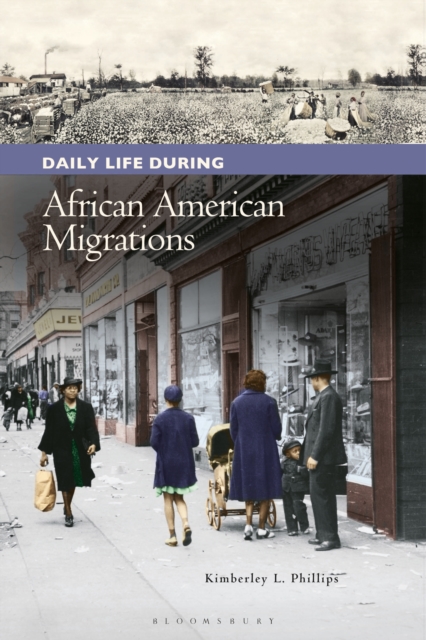
This book examines the century-long migration of African Americans who moved within the South after the Civil War and then left to settle permanently in other regions, irrevocably altering the political, social, and cultural history of the United States; and considers these movements within the broader historical, political, and cultural context of the African Diaspora.
Although international cooperation on migration is often promoted, scholars have been unable to arrive at a consensus about the extent of cooperation in the current system.