Security, Citizenship and Human Rights examines counter-terrorism, immigration, citizenship, human rights, 'equalities' and the shifting discourses of 'shared values' and human rights in contemporary Britain.
In this impressive volume a combination of theorists - linguists, historians and lawyers - address the subject of citizenship testing for language proficiency and 'cultural' knowledge.
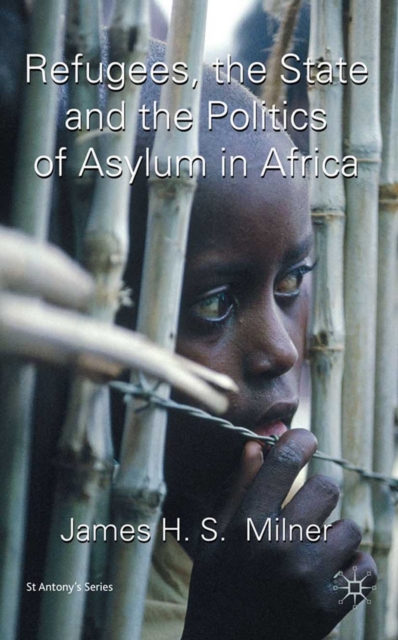
Awarded 2nd Prize, Best Book award, the Society for Education Studies, 2011Refugees are physically and symbolically 'out of place' - their presence forces governments to address issues of rights and moral obligations.
The Globalization of Security is an important rethinking of the connections between globalization and security, focusing on a conceptual examination of the role of the state combined with key case studies.
Bringing together a group of intellectuals from a number of disciplines, this collection breaks new ground within the field of postcolonial diaspora studies, moving beyond the Anglophone bias of much existing scholarship by investigating comparative links between a range of Anglophone, Francophone, Hispanic and Neerlandophone cultural contexts.
This book examines current trends in global student mobility patterns in several key host and destination countries, including the United States, China, India, South Africa, Mexico, Australia, and Germany, among others, and will explore the national and global-level factors that contribute to these trends.
The volume is a cutting-edge, interdisciplinary approach to analyzing an enormously significant region in ways that clarify the kind of everyday life and work that is generated in a major urban global manufacturing site amid insecurity, inequality, and a virtually absent state.
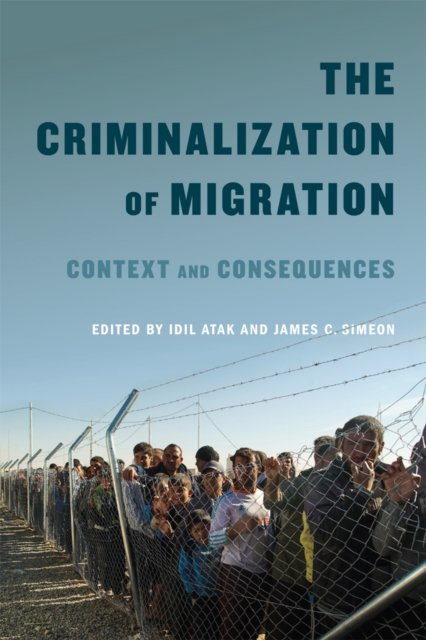
With over 240 million migrants in the world, including over 65 million forced migrants and refugees, states have turned to draconian measures to stem the flow of irregular migration, including the criminalization of migration itself.
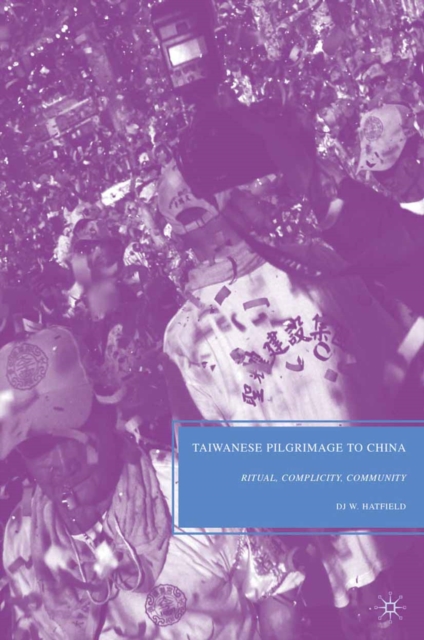
This book examines the pilgrimages to China from Taiwan in the late 1980s and early 1990s and offers a wide-ranging account of urban planning statements, arguments about ritual propriety, and the material culture of pilgrimage.
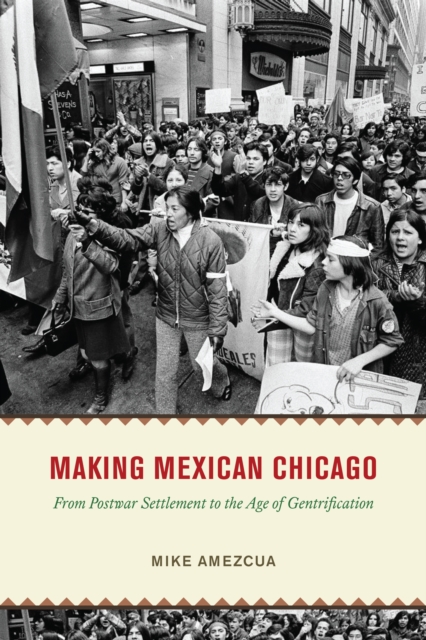
Winner of the Immigration and Ethnic History Society's First Book Award: an exploration of how the Windy City became a postwar Latinx metropolis in the face of white resistance.
The number of immigrants in the US science, technology, engineering, and mathematics (STEM) workforce and among recipients of advanced STEM degrees at US universities has increased in recent decades.
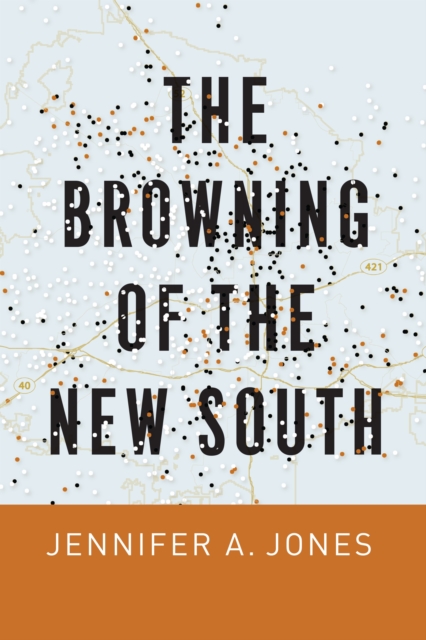
Studies of immigration to the United States have traditionally focused on a few key states and urban centers, but recent shifts in nonwhite settlement mean that these studies no longer paint the whole picture.
Despite continued public and legislative concern about sex trafficking across international borders, the actual lives of the individuals involved-and, more importantly, the decisions that led them to sex work-are too often overlooked.
Even as Donald Trump's election has galvanized anti-immigration politics, many local governments have welcomed immigrants, some even going so far as to declare their communities "e;sanctuary cities"e; that will limit cooperation with federal immigration authorities.
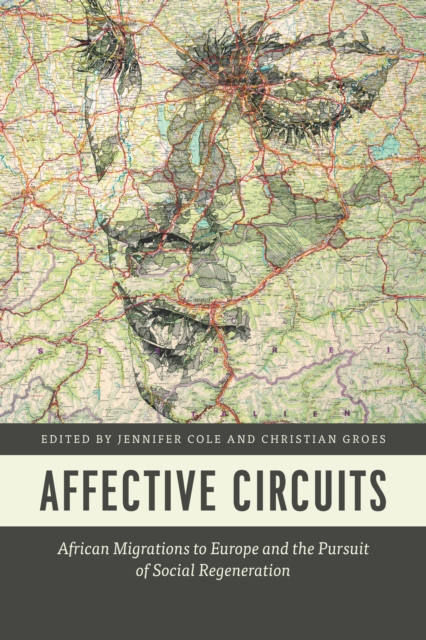
The influx of African migrants into Europe in recent years has raised important issues about changing labor economies, new technologies of border control, and the effects of armed conflict.
The United States is now admitting nearly one million legal immigrants per year, while the flow of illegal aliens into the country continues to increase steadily.
With over 240 million migrants in the world, including over 65 million forced migrants and refugees, states have turned to draconian measures to stem the flow of irregular migration, including the criminalization of migration itself.
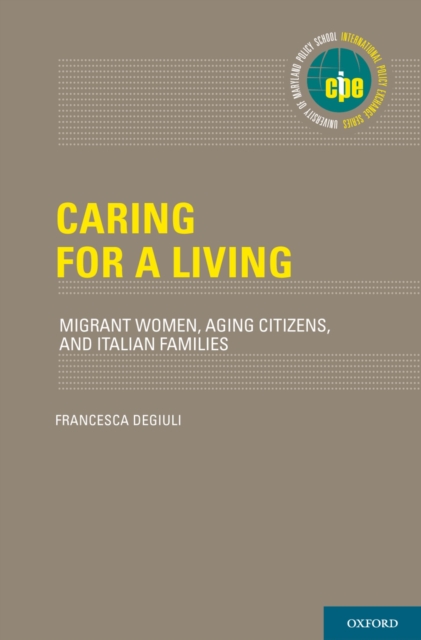
Today's world is aging at a great speed, and although increased longevity represents one of the greatest achievements of the last century, the extension of life expectancy does not necessarily correspond to an extension of healthy lives.
Today's world is aging at a great speed, and although increased longevity represents one of the greatest achievements of the last century, the extension of life expectancy does not necessarily correspond to an extension of healthy lives.