European governments have re-discovered labour migration, but are eager to be perceived as controlling unsolicited forms of migration, especially through asylum and family reunion.
European governments have re-discovered labour migration, but are eager to be perceived as controlling unsolicited forms of migration, especially through asylum and family reunion.
Developed countries, especially in Europe, face a number of issue related to migration: social and economic disruptions caused by the declining demand for unskilled labour and resulting unemployment, a shortage of skilled labour in many professions, increasing international competition for highly qualified human capital, radical demographic changes, and the forthcoming expansion of the European Union, which will trigger further immigration into major European countries and create new market opportunities in Central and Eastern Europe.
This book provides a major new examination of the current dilemmas of liberal anti-racist policies in European societies, linking two discourses that are normally quite separate in social science: immigration and ethnic relations research on the one hand, and the political economy of the welfare state on the other.
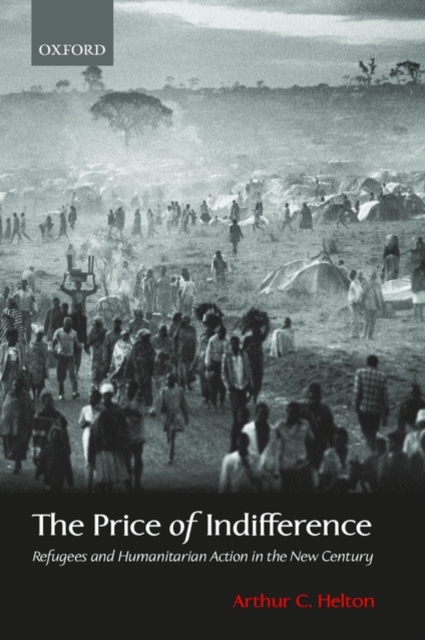
There are few issues more urgently in need of intelligent analysis both in the UK and elsewhere than those relating to displacement, asylum, and migration.
This book critically investigates the origins and consequences of the Janus-faced character of attitudes and policies towards migrants that seek to penetrate "e;Fortress Europe"e;.
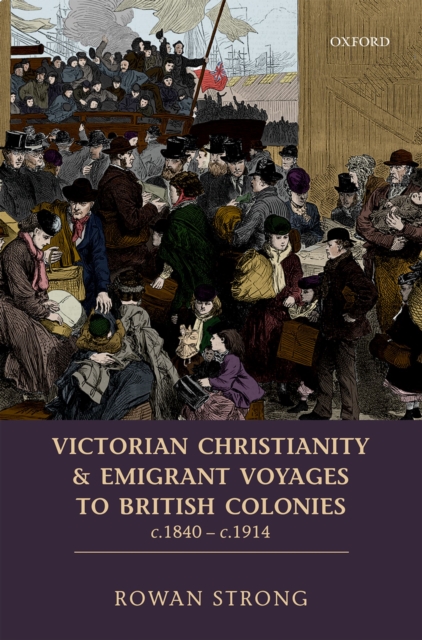
While the importance of migration in contemporary society is universally acknowledged, historical analyses of migration put contemporary issues into perspective.
While the importance of migration in contemporary society is universally acknowledged, historical analyses of migration put contemporary issues into perspective.
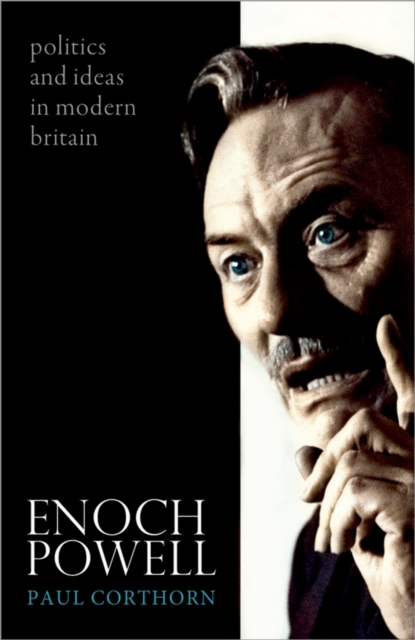
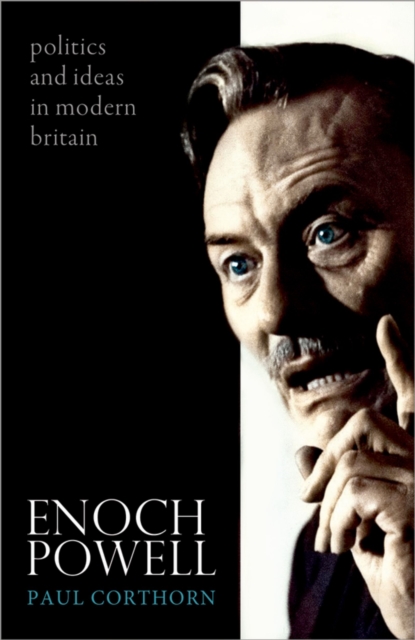
Best known for his notorious 'Rivers of Blood' speech in 1968 and his outspoken opposition to immigration, Enoch Powell was one of the most controversial figures in British political life in the second half of the twentieth century and a formative influence on what came to be known as Thatcherism.
Best known for his notorious 'Rivers of Blood' speech in 1968 and his outspoken opposition to immigration, Enoch Powell was one of the most controversial figures in British political life in the second half of the twentieth century and a formative influence on what came to be known as Thatcherism.
Immigration has become one of the most pressing political issues of the modern day, and public opinion polls indicate that it has been of public concern for some time.
During the Second World War, people arrived in Britain from all over the world as troops, war-workers, nurses, refugees, exiles, and prisoners-of-war-chiefly from Europe, America, and the British Empire.
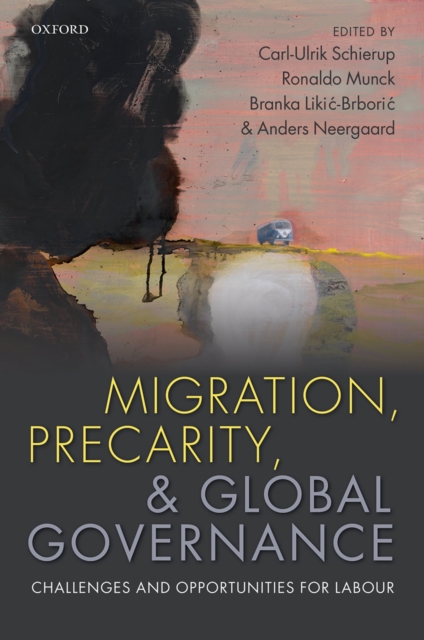
The changing economic reality of the last decades has prompted large movements of people across and within national borders, which, in turn, have given rise to new opportunities and challenges.
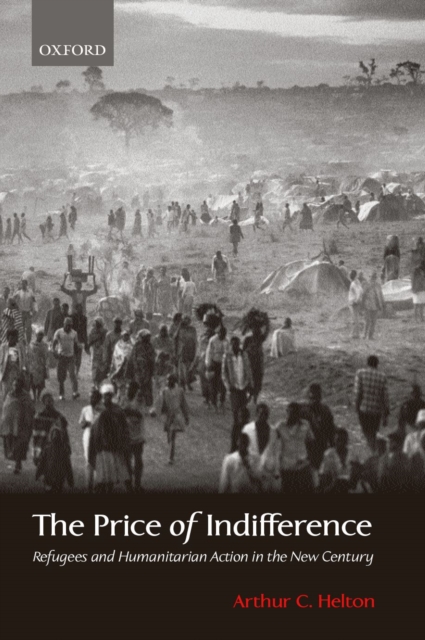
Since the complex emergencies of the 1990s, humanitarian agencies have placed increasing emphasis on the protection of civilians during armed conflict.
The Rise and Decline of a Global Security Actor investigates the rise of the United Nations High Commissioner for Refugees (UNHCR) as a global security actor.
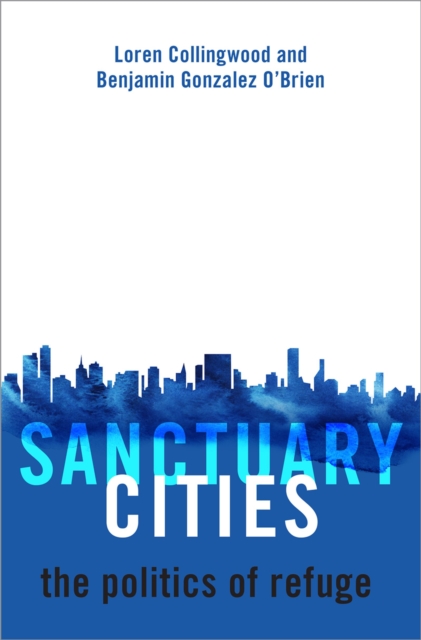
The accidental shooting of Kathryn Steinle in July of 2015 by an undocumented immigrant ignited a firestorm of controversy around sanctuary cities, which are municipalities where officials are prohibited from inquiring into the immigration status of residents.
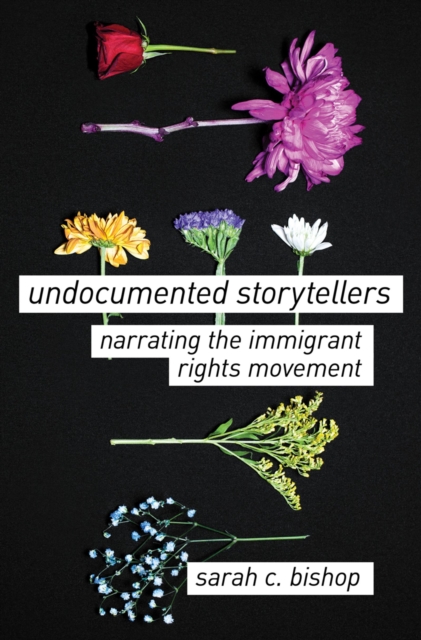
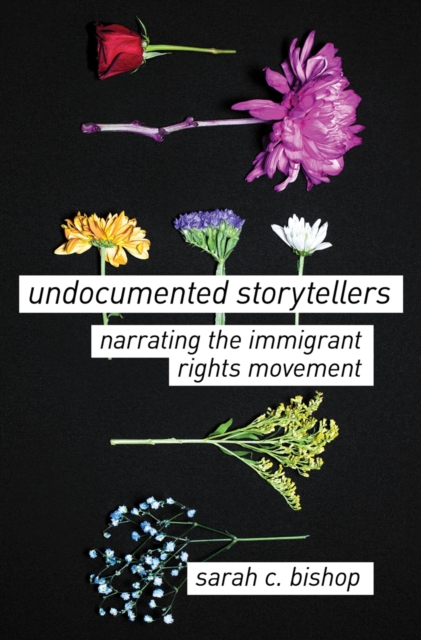
Undocumented Storytellers offers a critical exploration of the ways undocumented immigrant activists harness the power of storytelling to mitigate the fear and uncertainty of life without legal status and to advocate for immigration reform.
Undocumented Storytellers offers a critical exploration of the ways undocumented immigrant activists harness the power of storytelling to mitigate the fear and uncertainty of life without legal status and to advocate for immigration reform.