Combating Poverty critically analyses the growing divergence between Quebec and other large Canadian provinces in terms of social and labour market policies and their outcomes over the past several decades.
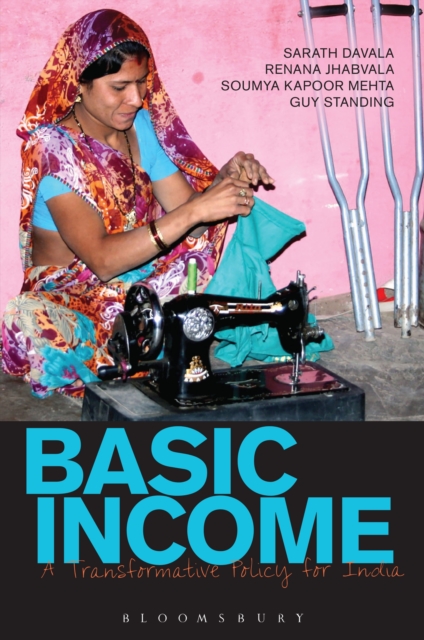
Using recent research on Ecuador, this book discusses a social accounting matrix (SAM)-based model for simulating the effects of basic needs policies on various socio-economic groups.
In Poverty and Wealth in East Africa Rhiannon Stephens offers a conceptual history of how people living in eastern Uganda have sustained and changed their ways of thinking about wealth and poverty over the past two thousand years.
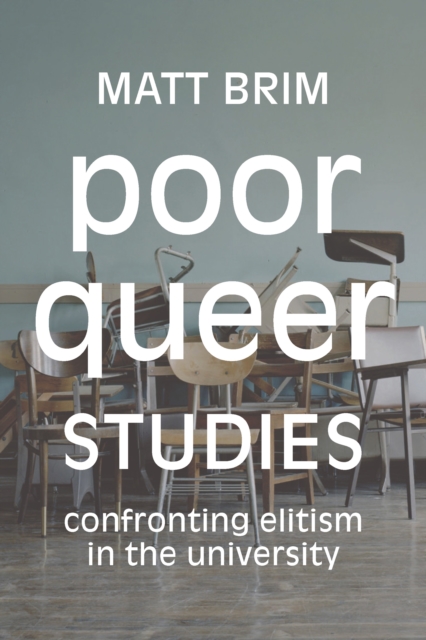
In Poor Queer Studies Matt Brim shifts queer studies away from its familiar sites of elite education toward poor and working-class people, places, and pedagogies.
In 1964, President Lyndon Johnson declared an "e;unconditional war"e; on poverty in the form of sweeping federal programs to assist millions of Americans.
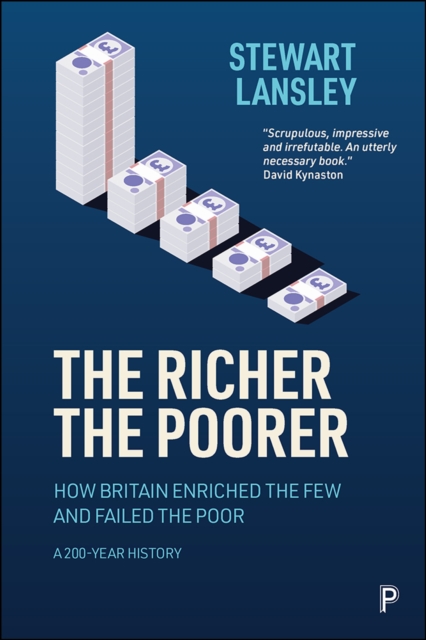
'A persuasive and highly readable account of how rising inequality, and not just absolute poverty, is undermining our politics, social cohesion, long-term prosperity and general well-being' Barack ObamaInequality makes us feel poor and act poor, even when we're not.
In The Southern Appalachian Region: A Survey, published by the University Press of Kentucky in 1962, Rupert Vance suggested a decennial review of the region's progress.
'Brilliant, horrifying and really f***ing funny' KATHY BURKE'Give[s] powerful voice to the often silent story that explains so much of Britain's current fracturing' OBSERVERI'm a scrounger, a liar, a hypocrite, a stain on society with no basic morals - or so they say.
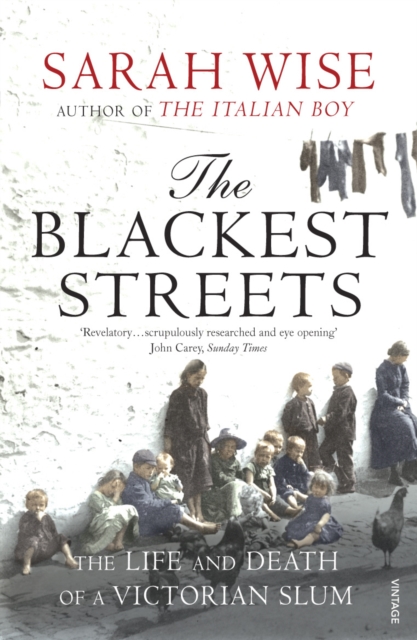
This vintage book contains Henry Mayhew's account of the London Underworld during the Victorian period, constructed from authentic first-person accounts by beggars, thieves and prostitutes.
Charles Dickens's second novel, "e;Oliver Twist"e; was first published as a serial from 1837 to 1839 and centres around the story of orphan Oliver Twist, who was born in a workhouse and sold as an apprentice to an undertaker.
In this intellectual history of the fraught relationship between race and poverty in the 1960s, Robin Marie Averbeck offers a sustained critique of the fundamental assumptions that structured liberal thought and action in postwar America.
This widely adopted text and practical guidebook presents the fundamentals of family-based intervention with clients struggling with chronic poverty-related crises and life stressors.
Identifying factors related to poverty that affect infants, toddlers, and their families, this book describes promising early child care and intervention practices specifically tailored to these children and families' needs.
from the Foreword:Possibly the heartless treatment of children, from the practice of infanticide and abandonment through to the neglect, the rigors of swaddling, the purposeful starving, the beatings, the solitary confinement, and so on, was and is only one aspect of the basic aggressiveness and cruelty of human nature, of the inbred disregard of the rights and feelings of others.
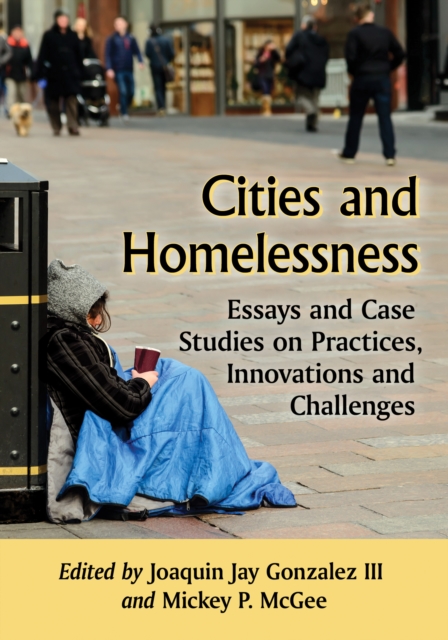
Comprising a number of short essays, Why the Homeless Have No Chance: The Dismantling of Success documents a sociological journey through the homeless services industry and describes todays wrong-headed approach to this lingering social problem.
In the unique style that has endeared him to one of Canadas largest and most loyal radio audiences, best-selling author Lowell Green launches an all-out expose on those Canadians he says are wrecking our country.
It was the railway system which moulded the American hobo into the legendary figure he became, especially in the depression years, but surviving until today.
Heart-rending, shocking and totally gripping, The Slave Across the Street is the incredible true story of how an ordinary girl was lured into the sinister world of human trafficking - and how she eventually escaped and rebuilt her life.
The incredible true story of a place where animals heal and children learn to hope When I started The Gentle Barn, some viewed it as a hobby or an obsession, some as an act of selfless devotion.
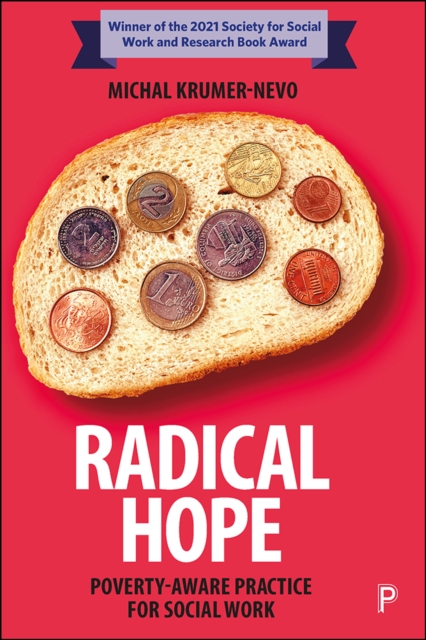
In this seminal book, Krumer-Nevo introduces the Poverty-Aware Paradigm: a radical new framework for social workers and professionals working with and for people in poverty.