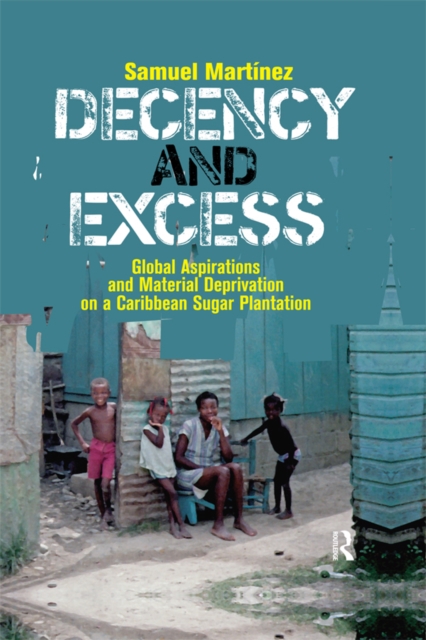
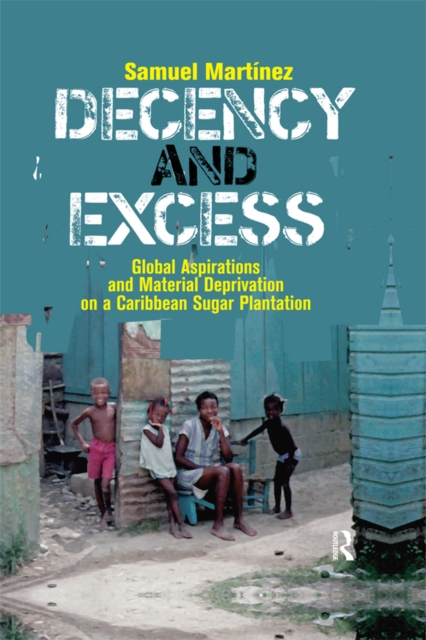
Based on periodic ethnographic fieldwork over a span of fifteen years, Martinez shows how impoverished plantation dwellers find ways of coping with the alienation that would be expected while laboring to produce goods for the richer countries.
Based on periodic ethnographic fieldwork over a span of fifteen years, Martinez shows how impoverished plantation dwellers find ways of coping with the alienation that would be expected while laboring to produce goods for the richer countries.
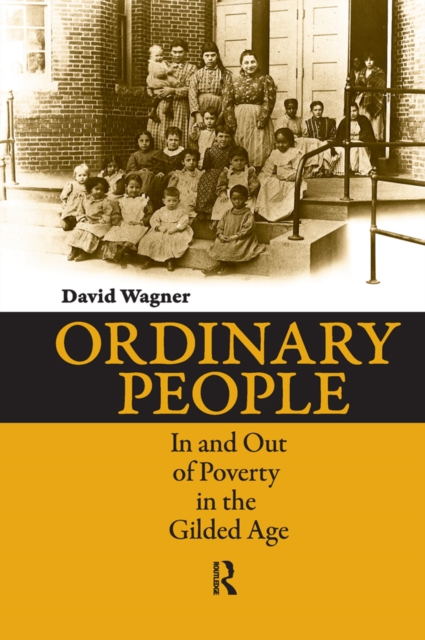
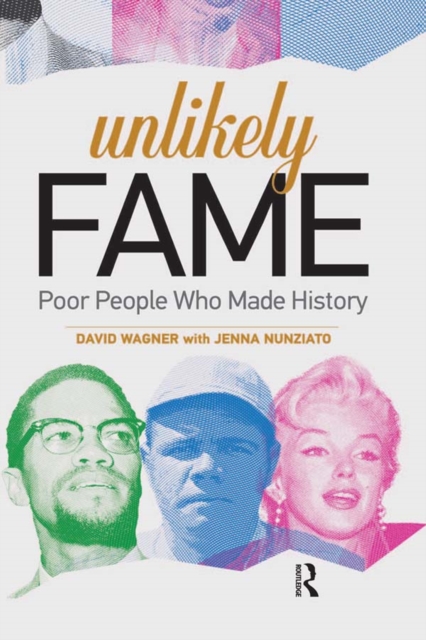
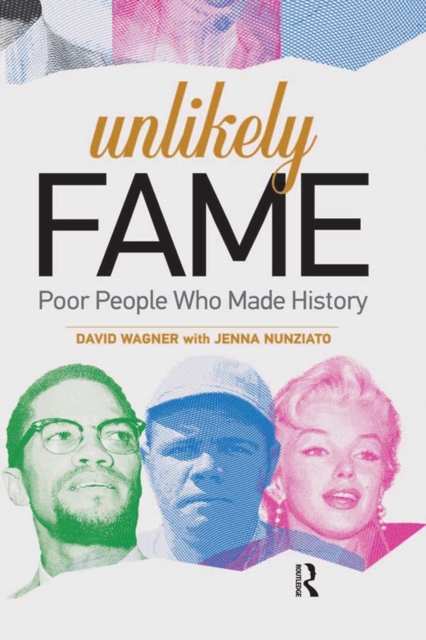
David Wagner explores the lives of poor people during the three decades after the Civil War, using a unique treasure of biographies of people who were (at one point in time) inmates in a large almshouse, combined with genealogical and other official records to follow their later lives.
David Wagner explores the lives of poor people during the three decades after the Civil War, using a unique treasure of biographies of people who were (at one point in time) inmates in a large almshouse, combined with genealogical and other official records to follow their later lives.
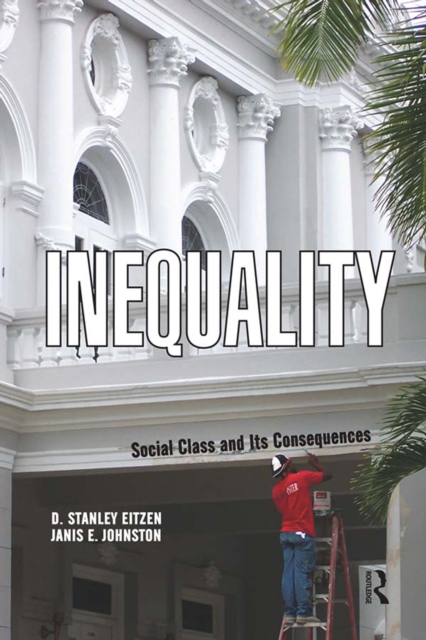
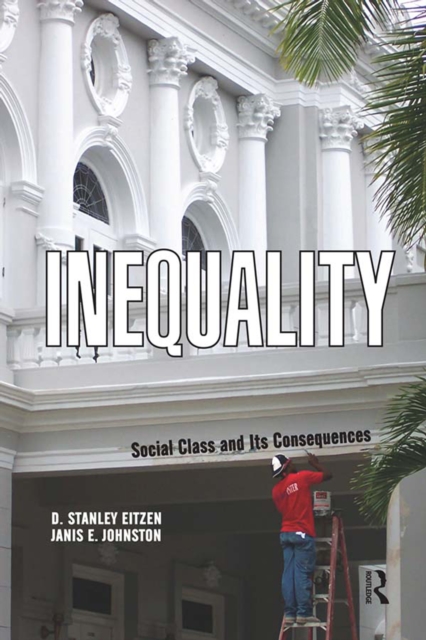
This book offers an up-to-date portrait of the realities of social class and its consequences in the United States today, focusing on the increasing inequality gap; the shrinking middle class; the myth and realities of social mobility; the consequences of class for work, health care, education, the justice system, war, and the environment; and progressive solutions for reducing inequality and improving human life.
This book offers an up-to-date portrait of the realities of social class and its consequences in the United States today, focusing on the increasing inequality gap; the shrinking middle class; the myth and realities of social mobility; the consequences of class for work, health care, education, the justice system, war, and the environment; and progressive solutions for reducing inequality and improving human life.
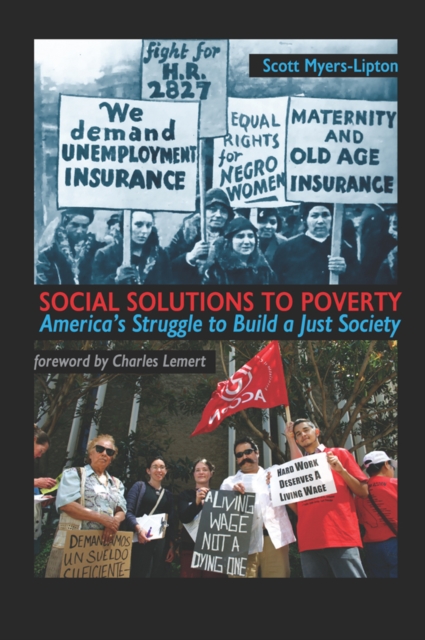
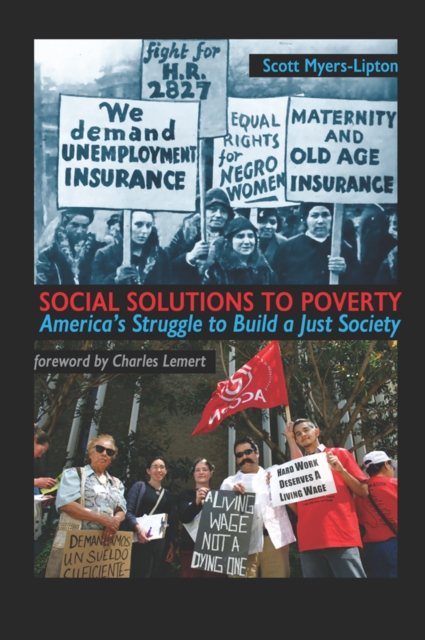
The voices of famous and lesser known figures in America's quest to reduce poverty are collected for the first time in this comprehensive historical anthology.
The voices of famous and lesser known figures in America's quest to reduce poverty are collected for the first time in this comprehensive historical anthology.
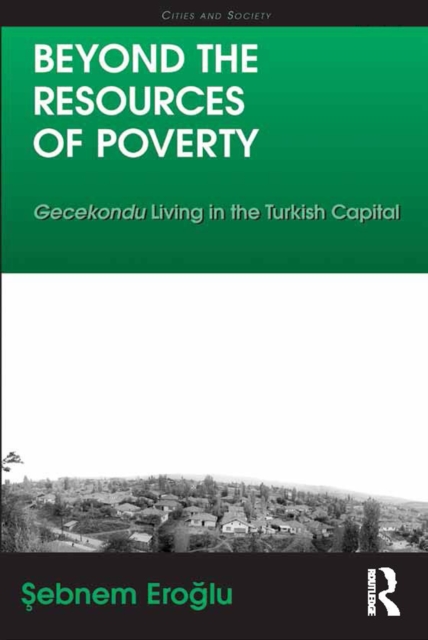
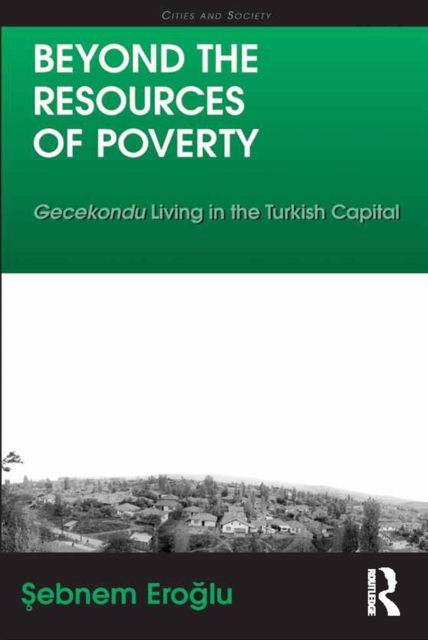
This groundbreaking volume researches the lives of gecekondu settlers in the capital city of Turkey in order to understand how households cope with poverty and why some households are more successful than others in reducing their deprivation.
This groundbreaking volume researches the lives of gecekondu settlers in the capital city of Turkey in order to understand how households cope with poverty and why some households are more successful than others in reducing their deprivation.
Exploring a range of poverty experiences-socioeconomic, moral and spiritual-this collection presents new research by a distinguished group of scholars working in the medieval and early modern periods.
Exploring a range of poverty experiences-socioeconomic, moral and spiritual-this collection presents new research by a distinguished group of scholars working in the medieval and early modern periods.
The attempt of the Grameen Bank to alleviate poverty and enhance the skills and productivity of its rural women clients provides the fascinating backdrop to this important study of micro-credit institutions.
The attempt of the Grameen Bank to alleviate poverty and enhance the skills and productivity of its rural women clients provides the fascinating backdrop to this important study of micro-credit institutions.
Contending that everyday sociability and social networks are central elements to an understanding of urban poverty, Opportunities and Deprivation in the Urban South draws on detailed research conducted in SAGBPo Paulo in an examination of the social networks of individuals who identify as poor.
Contending that everyday sociability and social networks are central elements to an understanding of urban poverty, Opportunities and Deprivation in the Urban South draws on detailed research conducted in SAGBPo Paulo in an examination of the social networks of individuals who identify as poor.
Presenting recent studies of non-profit organizations involved in poverty relief services in New York City in comparison with programmes in existence across the US, Street Practice provides a front-line, ground-level perspective on innovative research practices designed to solve community problems.
Presenting recent studies of non-profit organizations involved in poverty relief services in New York City in comparison with programmes in existence across the US, Street Practice provides a front-line, ground-level perspective on innovative research practices designed to solve community problems.
A collection of 13 essays based on two national surveys of household income in China - in 1985 and 1995 - and prepared and carried out by the research team.
A collection of 13 essays based on two national surveys of household income in China - in 1985 and 1995 - and prepared and carried out by the research team.